Benign Enlarged Prostate in Newcastle
A benign enlarged prostate, also known as BPH, is a common condition that can cause urinary symptoms such as weak flow, frequent urination, urgency and waking at night to pass urine. Tyneside Urology Partners provides private enlarged prostate assessment and treatment planning in Newcastle, helping men understand what may be causing their symptoms and what the next step should be.
- Consultant-led prostate assessment
- Support for weak flow, urgency and night-time urination
- Clear explanation of PSA and prostate findings
- Treatment planning based on symptoms and prostate assessment
What is an enlarged prostate?
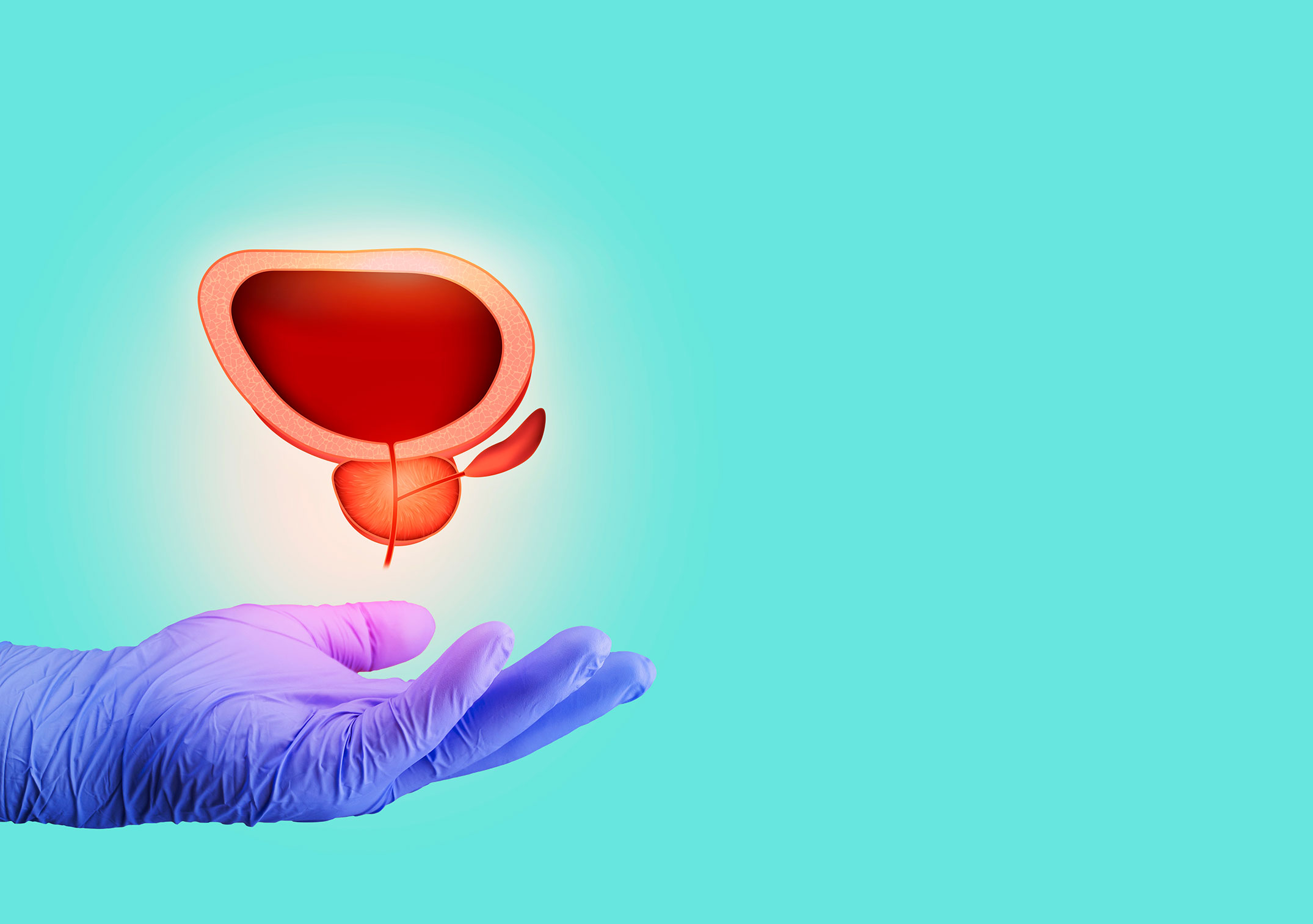
Benign prostatic hyperplasia, often called BPH, is a non-cancerous enlargement of the prostate gland. The prostate sits below the bladder and surrounds the urethra, which is the tube that carries urine out of the body.
As the prostate enlarges, it can press on the urethra and narrow the channel through which urine passes. This can make the bladder work harder to empty and can lead to symptoms such as a weaker stream, hesitancy, straining, urgency or waking at night.
An enlarged prostate is not prostate cancer. BPH is benign, which means non-cancerous. Having an enlarged prostate does not mean you have prostate cancer, and it does not mean you will develop prostate cancer. However, some symptoms can overlap with other prostate or bladder conditions, so assessment is important.
BPH becomes more common with age. For some men, symptoms are mild and manageable. For others, they gradually affect sleep, daily activities, travel, confidence and quality of life. A clear assessment helps identify how much the prostate is contributing and whether treatment planning is needed.

Common enlarged prostate symptoms
Enlarged prostate symptoms usually affect the way urine flows and how the bladder feels. You may notice one symptom or several.
- Most Typical
Weak or slow urine flow
A weaker stream is one of the most common symptoms. Passing urine may take longer than before, and the flow may stop and start.
- Common Sign
Hesitancy and straining
Some men find it difficult to start passing urine, even when the bladder feels full. You may need to wait, strain or concentrate to begin urinating.
- Common Sign
Going more often
An enlarged prostate can contribute to needing to pass urine more often during the day. Some men also feel sudden urgency, where they need to get to the toilet quickly.
- Can Affect Sleep
Waking at night to pass urine
Waking at night to urinate is known as nocturia. It can disturb sleep and affect energy, concentration and mood during the day.
- Worth Assessing
Incomplete emptying and dribbling
You may feel that the bladder has not emptied fully after passing urine. Some men also notice dribbling after finishing or needing to return to the toilet soon afterwards.
Medical Disclaimer: This information is for educational purposes only. If you are experiencing severe, localised pain accompanied by fever, persistent vomiting, or inability to pass urine, please seek immediate emergency medical care.
Specialist assessment
Specialist assessment may be helpful if you:
- Have a weak, slow or stop-start urine flow
- Need to strain or wait before urine starts
- Wake at night to pass urine
- Need to pass urine more often than usual
- Feel your bladder does not empty fully
- Have urinary urgency or occasional leakage
- Have symptoms affecting sleep, travel, work or confidence
- Want to understand whether symptoms are due to BPH or another cause
If you are unable to pass urine at all, seek urgent medical advice. This can be a urological emergency and should not wait for a routine appointment.
What to expect at Tyneside Urology Partners
Your clinician will discuss your urinary symptoms in detail, including how long they have been present, whether they are worsening and how much they affect daily life. They may ask about flow, urgency, frequency, night-time urination, leakage, infections, medicines and previous prostate problems.
You may be asked to complete a symptom score or bladder diary to help understand the pattern and severity of symptoms. A urine test may be used where appropriate to check for infection, blood or other changes.
Diagnosis usually involves looking at the full picture rather than one test alone. Your clinician may discuss prostate examination, PSA testing, urine flow assessment, bladder emptying checks or imaging where appropriate.
The aim is to understand whether symptoms are likely to be caused by benign prostate enlargement, bladder function, infection, urethral narrowing or another condition.
Treatment planning depends on your symptoms, prostate size and shape where known, bladder emptying, general health and personal priorities. Some men may need monitoring or lifestyle advice. Others may need medication or discussion of procedural options.
Your clinician will explain the options that may be suitable, including likely benefits, limitations and possible side effects. If further tests are needed before a treatment decision, this will be explained clearly.
Follow-up depends on your symptoms and treatment plan. Some men need monitoring over time, while others need review after medication changes or further assessment if symptoms continue.
If symptoms worsen, urinary infections become frequent or bladder emptying becomes a concern, your clinician may recommend further review.
What causes an enlarged prostate?
The exact reason the prostate enlarges is not fully understood, but BPH is strongly linked with ageing and hormonal changes. Several factors can influence symptoms.
Ageing
Hormonal Changes
Prostate Size And Shape
Bladder Changes
Family History
General Health And Lifestyle

Enlarged prostate and prostate cancer
An enlarged prostate is not the same as prostate cancer. BPH is a benign condition and does not turn into cancer.
However, prostate enlargement and prostate cancer can both affect men as they get older, and some urinary symptoms can overlap. This is why a proper assessment can be helpful, especially if symptoms are new, changing or associated with a raised PSA.
Your clinician will explain whether PSA testing, examination or further assessment is appropriate for your situation. A raised PSA does not automatically mean cancer, but it should be interpreted in context.
Managing enlarged prostate symptoms
Mild symptoms may sometimes be managed with simple measures, such as adjusting fluid timing, reducing bladder irritants, reviewing caffeine or alcohol intake and checking whether any medicines are affecting urination.
When symptoms are more bothersome, treatment planning should be tailored to the individual. Some men prioritise avoiding medication. Others are most concerned about sleep, urgency, sexual side effects or a durable result.
There is no single right approach for every man. A clear assessment helps identify what is driving the symptoms and what options are most appropriate.

When to seek urgent medical advice
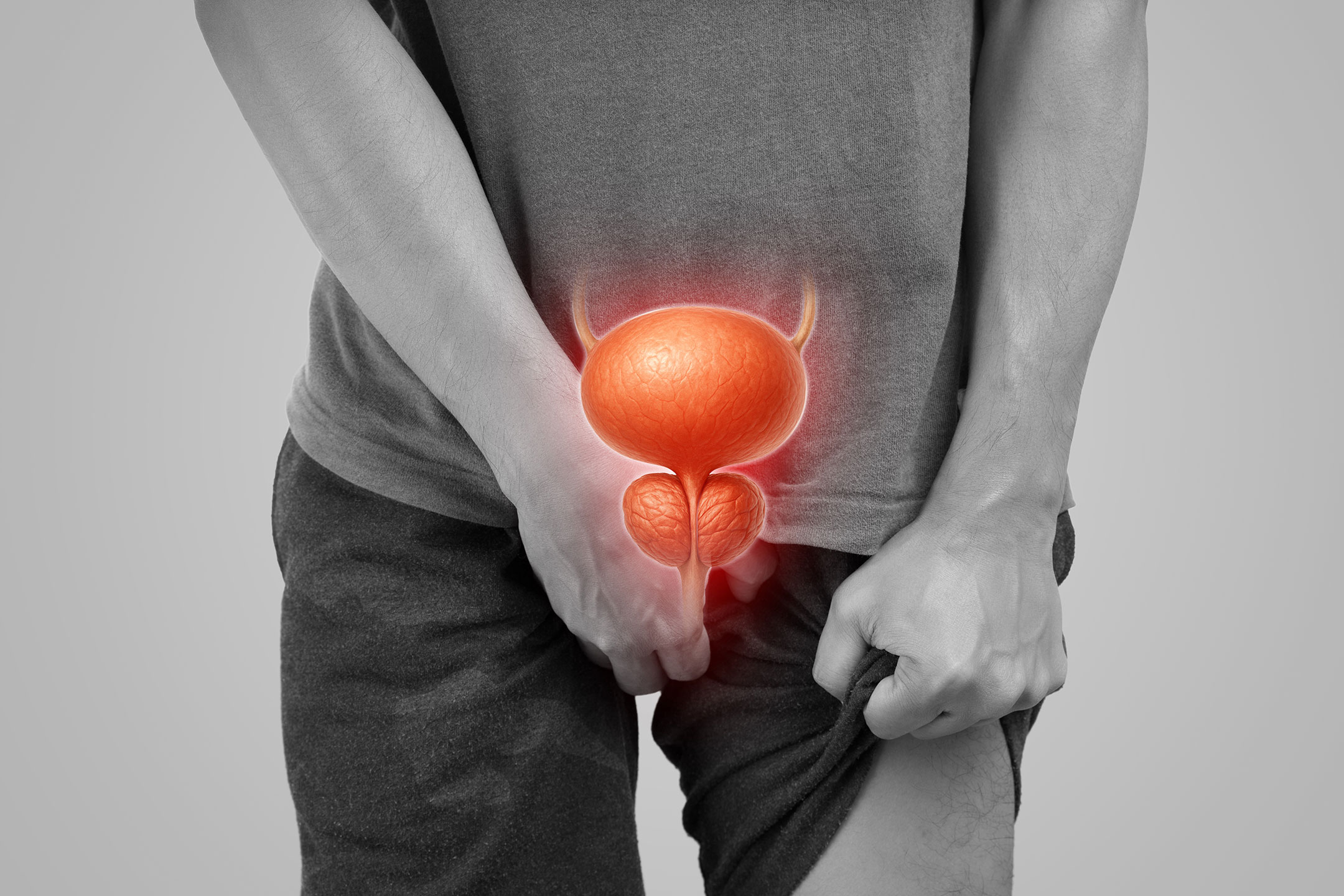
Most enlarged prostate symptoms can be assessed through a planned appointment, but some symptoms need urgent care.
Seek urgent medical advice through NHS 111, urgent care or emergency services if you:
- Cannot pass urine
- Have severe lower abdominal pain
- Have fever, chills or feel very unwell with urinary symptoms
- Have heavy blood in the urine or clots
- Have new back or side pain with urinary symptoms
- Have sudden worsening of symptoms
Do not wait for a private appointment if you are unable to pass urine or feel acutely unwell.
Private enlarged prostate treatment near Newcastle
Tyneside Urology Partners provides private enlarged prostate assessment and treatment planning near Newcastle from its clinic in Team Valley, Tyne & Wear. The clinic serves patients from Newcastle, Gateshead, Tyneside and across the North East.
A consultation gives you the opportunity to discuss weak flow, night-time urination, urgency, incomplete emptying or prostate concerns in a specialist setting. Your clinician will explain what may be causing your symptoms and what next steps may be suitable.

Frequently asked questions
- Is an enlarged prostate the same as prostate cancer?
No. An enlarged prostate, or BPH, is a benign non-cancerous condition. It does not turn into prostate cancer. However, some symptoms can overlap, so assessment can help provide reassurance and guide next steps.
- What symptoms does an enlarged prostate cause?
Common symptoms include weak flow, difficulty starting, stopping and starting, straining, dribbling, urgency, frequency, night-time urination and a feeling that the bladder has not emptied fully.
- Do all men with BPH need treatment?
No. Some men have mild symptoms and only need monitoring or simple lifestyle changes. Treatment planning depends on how bothersome symptoms are and whether the bladder is emptying properly.
- Can an enlarged prostate affect sleep?
Yes. Many men with BPH wake at night to pass urine. This can disturb sleep and affect energy during the day. Night-time urination can also have other causes, so assessment is important.
- What happens if BPH is left untreated?
Mild symptoms may remain stable, but some men experience worsening symptoms over time. In some cases, BPH can contribute to urinary retention, infections, bladder stones or kidney problems. Your clinician will explain your individual risk.
- When should I seek urgent help?
Seek urgent medical advice if you cannot pass urine, have severe pain, fever, chills, heavy blood in the urine or feel very unwell with urinary symptoms.
Book Your Urology Consultation
Urology consultations are available a Tyneside Urology.
Please view the form below to check availability and make your booking.
If further tests or treatments are recommended, these will be explained fully before you decide how to proceed. Should you need ongoing support, follow-up appointments can be arranged with your consultant.
You can book your appointment below or contact us if you would prefer assistance.
Get enlarged prostate treatment in Newcastle
If urinary symptoms are affecting your sleep, comfort or confidence, a specialist consultation can help identify whether an enlarged prostate is the cause and what next steps may be suitable.