Erectile Dysfunction
Erectile dysfunction is difficulty getting or keeping an erection firm enough for sex. It is common, treatable and nothing to be embarrassed about. Tyneside Urology Partners provides private erectile dysfunction assessment in Newcastle, helping men understand possible causes and suitable next steps in a discreet, comfortable setting.
- Discreet and confidential assessment
- Specialist men’s health care
- Clear discussion of possible causes
- Treatment planning based on your symptoms
- Private erectile dysfunction care near Newcastle

What is erectile dysfunction?
Erectile dysfunction, often called ED, means difficulty getting or maintaining an erection firm enough for satisfactory sexual activity. It can happen occasionally to many men, especially during times of stress, tiredness or illness.
When erection problems happen regularly, they can affect confidence and relationships. Many men delay seeking help because they feel embarrassed, but erectile dysfunction is one of the common reasons men see a urologist.
ED can have physical, psychological or lifestyle-related causes. For some men, more than one factor is involved. Reduced blood flow, diabetes, high blood pressure, medication side effects, low testosterone, stress and anxiety can all contribute.
A proper assessment matters because erectile dysfunction can sometimes be linked to wider health issues, including cardiovascular disease or diabetes. Understanding the cause helps guide treatment planning rather than simply focusing on the symptom.

Common erectile dysfunction symptoms
Erectile dysfunction can affect men in different ways. Some symptoms are occasional, while others become more persistent.
- Most Typical
Difficulty getting an erection
Some men find it difficult to achieve an erection even when they feel aroused. This may happen every time or only in certain situations.
- Most Typical
Difficulty maintaining an erection
Some men can get an erection but lose it before or during sex. This can be frustrating and may lead to anxiety about future sexual activity.
- Common Sign
Reduced firmness
Erections may be less firm than before, making sex difficult or less satisfying. This can happen gradually or more suddenly depending on the cause.
- Common Impact
Reduced sexual confidence
Erectile dysfunction can affect confidence and self-esteem. Worrying about performance can sometimes make the problem worse, even when there is also a physical cause.
- Worth Discussing
Reduced Sex Drive
Some men with erectile dysfunction also notice a lower interest in sex. This may be linked to hormones, stress, mood, relationship factors or general health.
Medical Disclaimer: This information is for educational purposes only. If you are experiencing severe, localised pain accompanied by fever, persistent vomiting, or inability to pass urine, please seek immediate emergency medical care.
Specialist assessment
Specialist assessment may be helpful if you:
- Have difficulty getting or keeping an erection
- Notice erections are less firm than before
- Have ED that is affecting confidence or relationships
- Have erection problems with diabetes, high blood pressure or heart health concerns
- Have reduced sex drive or possible hormone symptoms
- Have side effects from medication that may affect erections
- Have tried treatment without enough improvement
- Want to discuss erectile dysfunction in confidence
Erectile dysfunction is common, but persistent symptoms should be assessed. A private consultation gives you time to discuss what is happening and what may be contributing.
What to expect at Tyneside Urology Partners
Your clinician will discuss your symptoms in detail, including when the problem started, how often it happens and whether it is linked to specific situations. They may ask about morning erections, sexual desire, ejaculation, pain, curvature, previous treatments and relationship factors.
They will also ask about your general health, including diabetes, blood pressure, cholesterol, heart disease, smoking, alcohol, medicines, previous surgery and stress or mood changes.
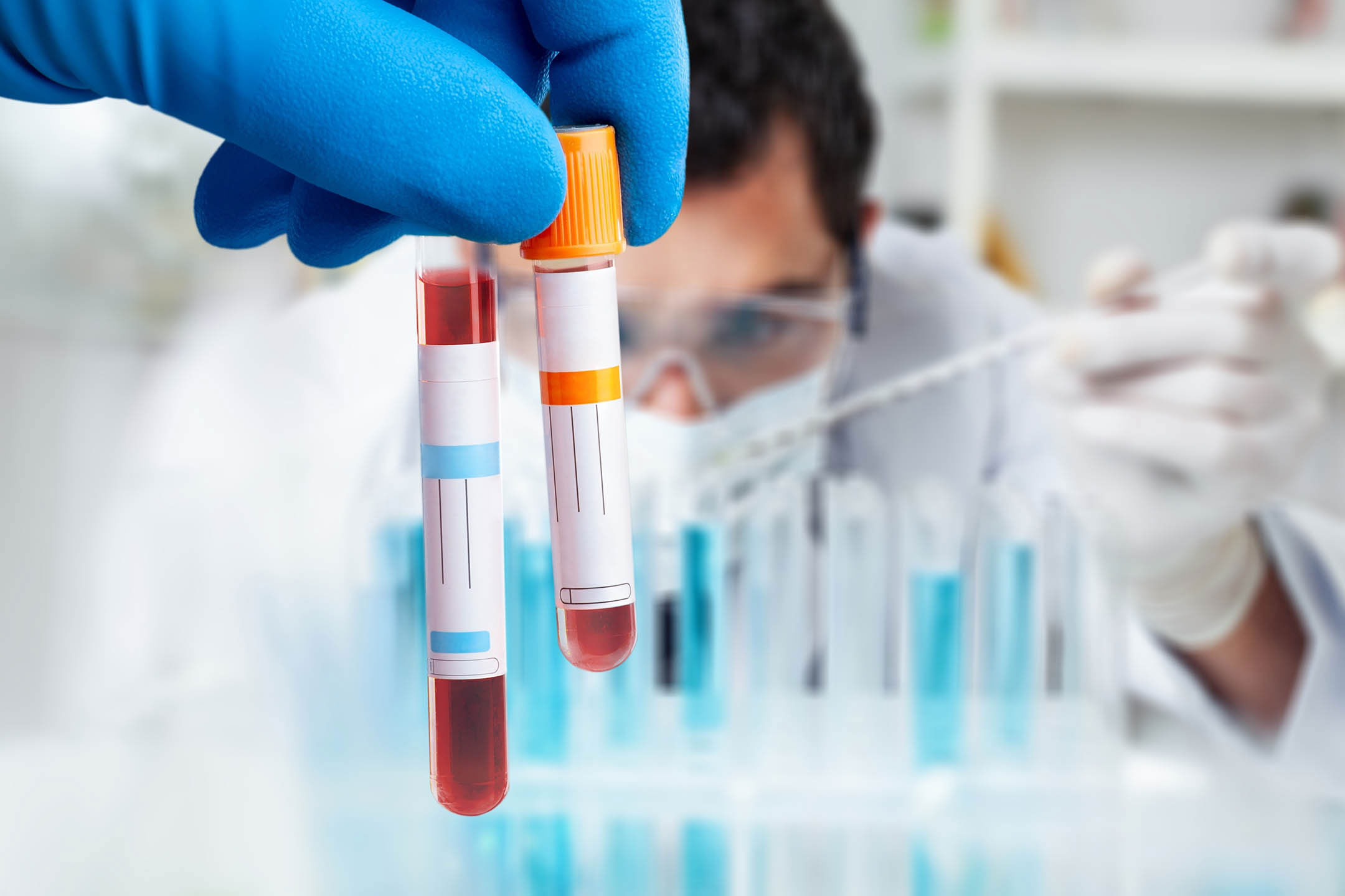
Diagnosis is usually based on your symptoms, medical history and examination where appropriate. Blood tests may be discussed if hormone, diabetes or cardiovascular risk factors are relevant.
Your clinician will explain whether ED appears more likely to be physical, psychological, medication-related, lifestyle-related or mixed. In many cases, more than one factor contributes.
Treatment planning depends on the likely cause of ED, your general health, current medicines, preferences and previous treatment response. Your clinician will discuss suitable options and explain what is realistic for your situation.
The aim is to identify a safe and appropriate plan, while also considering any underlying health factors that may need attention.
Follow-up depends on the treatment plan and how symptoms respond. Your clinician may review whether treatment is helping, whether side effects are occurring and whether further assessment or a different approach is needed.
What causes erectile dysfunction?
Erectile dysfunction can have several causes. Sometimes the cause is clear, but often physical, emotional and lifestyle factors overlap.
Reduced blood flow
Diabetes
Low testosterone or hormonal factors
Medication side effects
Stress, anxiety and mood
Lifestyle factors
Surgery, injury or nerve problems
Why it is worth getting checked
Erectile dysfunction is not only about sexual function. In some men, it can be an early sign of wider health issues, particularly conditions affecting the heart and blood vessels.
A specialist assessment can help identify whether ED may be linked to circulation, hormones, medication, lifestyle or psychological factors. This can guide treatment and may also highlight other health checks that are worth considering.
Many men find that simply having a calm, confidential conversation is helpful. The aim is to provide clear answers and practical next steps without judgement.
Private erectile dysfunction treatment near Newcastle
Tyneside Urology Partners provides private erectile dysfunction assessment near Newcastle from its clinic in Team Valley, Tyne & Wear. The clinic serves patients from Newcastle, Gateshead, Tyneside and across the North East.
A consultation gives you the opportunity to discuss erection problems, confidence, sexual function, general health and previous treatments in a discreet setting. Your clinician will explain what may be contributing and what treatment options may be suitable.

Frequently asked questions
- Is erectile dysfunction common?
Yes. Erectile dysfunction is common and becomes more common with age, although it can affect men at any stage of adult life. It is a medical issue, not something to feel embarrassed about.
- Can erectile dysfunction be treated?
In many cases, ED can be treated or significantly improved. The right approach depends on the cause, your general health, medicines and preferences. Assessment helps identify which options may be suitable.
- Could ED be a sign of something more serious?
It can be. Erectile dysfunction may be linked to diabetes, high blood pressure, cholesterol problems or cardiovascular disease. This is one reason why assessment is useful, especially if symptoms are new or persistent.
- What happens at the first appointment?
Your clinician will ask about your symptoms, medical history, medicines, lifestyle and any previous treatments. Examination or blood tests may be discussed where appropriate. The consultation is confidential and handled professionally.
- Is ED always psychological?
No. ED can be physical, psychological or a combination of both. Reduced blood flow, diabetes, hormones, medication, stress and relationship factors can all contribute.
- Can I discuss erectile dysfunction privately?
Yes. Erectile dysfunction is a sensitive topic, and a private consultation gives you time to discuss symptoms and concerns in confidence. Tyneside Urology Partners provides discreet men’s health care near Newcastle.
Book Your Urology Consultation
Urology consultations are available a Tyneside Urology.
Please view the form below to check availability and make your booking.
If further tests or treatments are recommended, these will be explained fully before you decide how to proceed. Should you need ongoing support, follow-up appointments can be arranged with your consultant.
You can book your appointment below or contact us if you would prefer assistance.
Get erectile dysfunction treatment in Newcastle
If erectile dysfunction is affecting your confidence, relationships or quality of life, a specialist consultation can help identify possible causes and suitable next steps.