Female Urinary Incontinence
Female urinary incontinence means leaking urine when you do not intend to. It can happen with coughing, sneezing, exercise, urgency or changes in bladder control. Tyneside Urology Partners provides private female urinary incontinence assessment and treatment planning in Newcastle, helping patients understand the cause of leakage and what next steps may be suitable.
- Specialist assessment for bladder leakage in women
- Support for stress, urgency and mixed incontinence symptoms
- Bladder function testing and pelvic floor assessment
- Treatment planning

What is female urinary incontinence?
Female urinary incontinence is the involuntary leakage of urine. It can range from occasional small leaks to more frequent leakage that affects work, exercise, travel, sleep, intimacy or confidence.
There are different types of urinary incontinence. Stress urinary incontinence means leaking when pressure is placed on the bladder, such as during coughing, sneezing, laughing, lifting or exercise. Urgency incontinence happens when a sudden need to pass urine leads to leakage before reaching the toilet.
Some women have mixed incontinence, where both stress leakage and urgency leakage occur. Others may experience leakage linked to recurrent urinary tract infections, pelvic floor dysfunction, menopause-related changes, previous pelvic surgery, childbirth, bladder irritation or incomplete bladder emptying.
Female urinary incontinence is common, but it should not be dismissed as something you simply have to live with. A specialist urology assessment can help identify the type of leakage, possible causes and treatment options that may be appropriate.
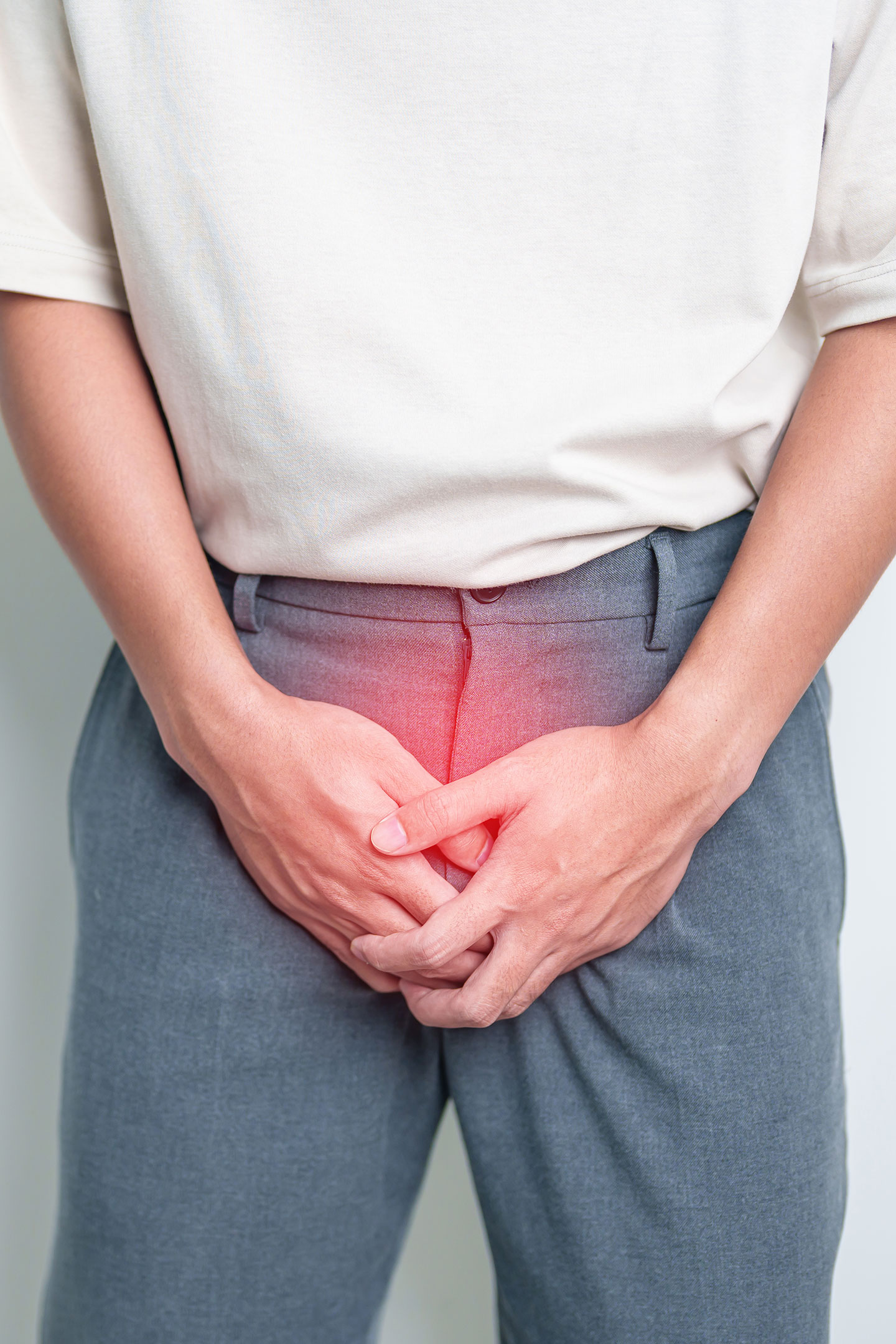
Common female urinary incontinence symptoms
Female urinary incontinence can affect people in different ways. The pattern of leakage is important because it helps guide assessment and treatment planning.
- Most Typical
Urine leakage
The main symptom is leaking urine when you do not mean to. This may be a few drops, damp underwear or more noticeable leakage that affects clothing, activities or daily routines.
- Common Sign
Leakage with coughing, sneezing or exercise
Leaking during coughing, sneezing, laughing, lifting, running or jumping is usually described as stress urinary incontinence. It can happen when the pelvic floor and urethral support are not providing enough control during movement or strain.
- Common Sign
Urgency and urge leakage
Some women feel a sudden, strong need to pass urine and may leak before reaching the toilet. This can happen with overactive bladder, bladder irritation, urinary infection or other bladder conditions.
- Requires Check
Frequency and night-time urination
Needing to pass urine often during the day or waking at night to urinate can occur with bladder overactivity, infection, fluid habits or other medical factors. Persistent or disruptive symptoms should be assessed.
- Worth Assessing
Mixed leakage symptoms
Some women have both stress leakage and urgency leakage. Mixed symptoms can need a more detailed assessment because different types of leakage may require different treatment approaches.
Medical Disclaimer: This information is for educational purposes only. If you are experiencing severe, localised pain accompanied by fever, persistent vomiting, or inability to pass urine, please seek immediate emergency medical care.
Specialist assessment
Specialist assessment may be helpful if you:
- Leak urine during the day
- Leak when coughing, sneezing, laughing, exercising or lifting
- Have sudden urgency and cannot always reach the toilet
- Need to pass urine very often
- Wake at night to pass urine
- Use pads or continence products because of leakage
- Avoid exercise, travel or social activities because of bladder symptoms
- Have leakage after childbirth, pelvic surgery or menopause
- Have recurrent urinary tract infections
- Have bladder pain, burning or discomfort
- Feel that your bladder does not empty fully
- Have symptoms affecting confidence, sleep, work or relationships
- Want to understand whether symptoms are due to the bladder, pelvic floor or another cause
If you cannot pass urine, have visible blood in the urine, develop a high temperature, have severe pain or feel very unwell, seek urgent medical advice. These symptoms should not wait for a routine private appointment.
What to expect at Tyneside Urology Partners
- Urinalysis
- Bladder diary review
- Bladder scan to check emptying
- Urine flow testing
- Urodynamic testing
- Flexible cystoscopy in selected cases
- Pelvic floor assessment where appropriate
Your clinician will discuss your symptoms in detail, including when leakage happens, how often it occurs and how much it affects daily life. They may ask whether leakage is linked to coughing, exercise, urgency, night-time urination, recurrent infections or difficulty emptying the bladder.
They may also ask about childbirth history, menopause-related symptoms, previous pelvic surgery, bladder infections, bowel symptoms, constipation, medication, fluid intake, caffeine, alcohol, pelvic pain and previous continence treatments.
You may be asked to complete a bladder diary or symptom questionnaire. This can help show how often you pass urine, when leakage occurs and whether there are triggers.
A urine test may be used where appropriate to check for infection, blood or other changes.
Diagnosis usually involves identifying the type of leakage and the likely cause. Your clinician may consider whether symptoms are linked to stress urinary incontinence, urgency incontinence, mixed incontinence, overactive bladder, pelvic floor dysfunction, recurrent urinary infection or incomplete bladder emptying.
Further assessment may include:
Not every patient needs every test. Your clinician will explain which investigations may be useful and why.
Treatment planning depends on the type of incontinence, severity of symptoms, bladder emptying, previous treatments, general health and personal priorities.
Some women may benefit from lifestyle advice, fluid review, bladder training or pelvic floor rehabilitation. Others may need medication, bladder treatments or continence surgery, depending on the cause.
If symptoms are mainly stress leakage, treatment may focus on pelvic floor support and continence options. If symptoms are mainly urgency or frequency, overactive bladder treatment may be discussed. If both patterns are present, treatment may need to be staged.
Your clinician will explain the options that may be suitable, including likely benefits, limitations, risks and alternatives.
Follow-up depends on your symptoms and treatment plan. Some patients need review after bladder training, pelvic floor rehabilitation or medication. Others may need further assessment if symptoms continue, worsen or do not match the test findings.
If a procedure or specialist treatment is being considered, follow-up will include discussion of suitability, expected recovery, possible risks and longer-term review.
What causes female urinary incontinence?
Female urinary incontinence can have several possible causes. In many people, more than one factor is involved.
Pelvic floor weakness
Pregnancy and childbirth
Menopause-related changes
Overactive bladder
Urinary tract infections
Pelvic floor dysfunction
Previous surgery or medical conditions

Stress, urgency and mixed incontinence
Understanding the type of leakage is one of the most important parts of assessment.
Stress urinary incontinence usually causes leakage during physical pressure on the bladder. This may happen during coughing, sneezing, laughing, running, lifting or exercise. It is often linked to pelvic floor support or urethral support.
Urgency incontinence is different. It happens after a sudden, difficult-to-delay need to pass urine. Some people reach the toilet in time, while others leak before they get there. It may be linked to overactive bladder, bladder irritation or other urinary conditions.
Mixed urinary incontinence means both patterns are present. This can be especially frustrating because symptoms may not respond to one treatment alone. A clear assessment can help identify which symptom is most troublesome and which treatment options should be considered first.
Managing female urinary incontinence
Managing female urinary incontinence starts with understanding the type and cause of leakage. There is no single treatment that is right for everyone.
Simple measures may include reviewing fluid intake, reducing bladder irritants such as caffeine, treating constipation, bladder training and learning pelvic floor exercises correctly.
Treatment options may include:
- Pelvic floor rehabilitation
- Bladder training
- Lifestyle and fluid advice
- Treatment of urinary infection if present
- Medication for urgency symptoms where appropriate
- Bladder injection therapy in selected patients with overactive bladder symptoms
- Urodynamic testing if bladder function needs clarification
- Autologous fascial sling in selected patients with stress urinary incontinence
- Other continence procedures where appropriate after specialist review
Your clinician will discuss which options may be relevant after assessment. Treatment suitability depends on symptoms, test results, previous treatment and overall health.


Private female urinary incontinence treatment near Newcastle
Tyneside Urology Partners provides private assessment for female urinary incontinence near Newcastle from its clinic in Team Valley, Tyne & Wear. The clinic serves patients from Newcastle, Gateshead, Tyneside and across the North East.
A consultation gives you the opportunity to discuss bladder leakage, urgency, stress incontinence, recurrent infections or pelvic floor symptoms in a specialist setting. Your clinician will explain what may be contributing to symptoms and what treatment options may be suitable.
Frequently asked questions
- What causes urinary leakage in women?
Urinary leakage in women can be caused by pelvic floor weakness, overactive bladder, urinary tract infection, menopause-related changes, childbirth, pelvic surgery, medication or other health conditions. Assessment helps identify the type of leakage and the likely cause.
- What is the difference between stress and urge incontinence?
Stress incontinence means leakage during coughing, sneezing, lifting, laughing or exercise. Urge incontinence means leakage after a sudden need to pass urine. Some women have both, which is called mixed incontinence.
- Is female urinary incontinence just part of ageing?
No. Urinary leakage becomes more common with age, but it should not be dismissed as inevitable. A specialist assessment can help identify possible causes and suitable treatment options.
- Will I need bladder tests?
You may need tests such as a urine test, bladder diary, bladder scan, urine flow test, flexible cystoscopy or urodynamic testing. Not every patient needs every test. Your clinician will explain which investigations are relevant.
- Can pelvic floor rehabilitation help?
Pelvic floor rehabilitation may help some women, especially where leakage is linked to pelvic floor weakness or poor coordination. The right approach depends on the type of incontinence and assessment findings.
- Can female urinary incontinence be treated?
Many women can be helped with a tailored management plan. Options may include lifestyle advice, bladder training, pelvic floor rehabilitation, medication, bladder treatments or continence procedures in selected cases.
Book Your Urology Consultation
Urology consultations are available a Tyneside Urology.
Please view the form below to check availability and make your booking.
If further tests or treatments are recommended, these will be explained fully before you decide how to proceed. Should you need ongoing support, follow-up appointments can be arranged with your consultant.
You can book your appointment below or contact us if you would prefer assistance.
Get support for female urinary incontinence in Newcastle
If bladder leakage is affecting your comfort, confidence or daily life, specialist assessment can help identify the type of incontinence and the treatment options that may be suitable.