Overactive Bladder
An overactive bladder can cause a sudden, urgent need to pass urine, often with frequent toilet visits, night-time waking or leakage before reaching the toilet. Tyneside Urology Partners provides private overactive bladder assessment and treatment planning in Newcastle, helping patients understand their symptoms and the most appropriate next steps.
- Specialist assessment for men and women
- Support for urgency, frequency and urge leakage
- Bladder function review where appropriate
- Diagnosis-led treatment planning
- Private bladder care near Newcastle

What is an overactive bladder?
Overactive bladder is a condition where the bladder gives a sudden and difficult-to-control urge to pass urine. This urge can happen even when the bladder is not full.
The main symptom is urgency. Some people also pass urine more often during the day, wake at night to go to the toilet or leak urine before reaching the toilet. When leakage happens with urgency, it is known as urge incontinence.
An overactive bladder is different from stress urinary incontinence, where leakage happens with coughing, sneezing, laughing, lifting or exercise. Some people have both urgency symptoms and stress leakage, which is known as mixed incontinence.
An overactive bladder is common and treatable. It is not simply something you have to put up with, and it is not always an inevitable part of ageing. A proper assessment helps confirm whether symptoms are due to overactive bladder or whether another cause needs to be considered.
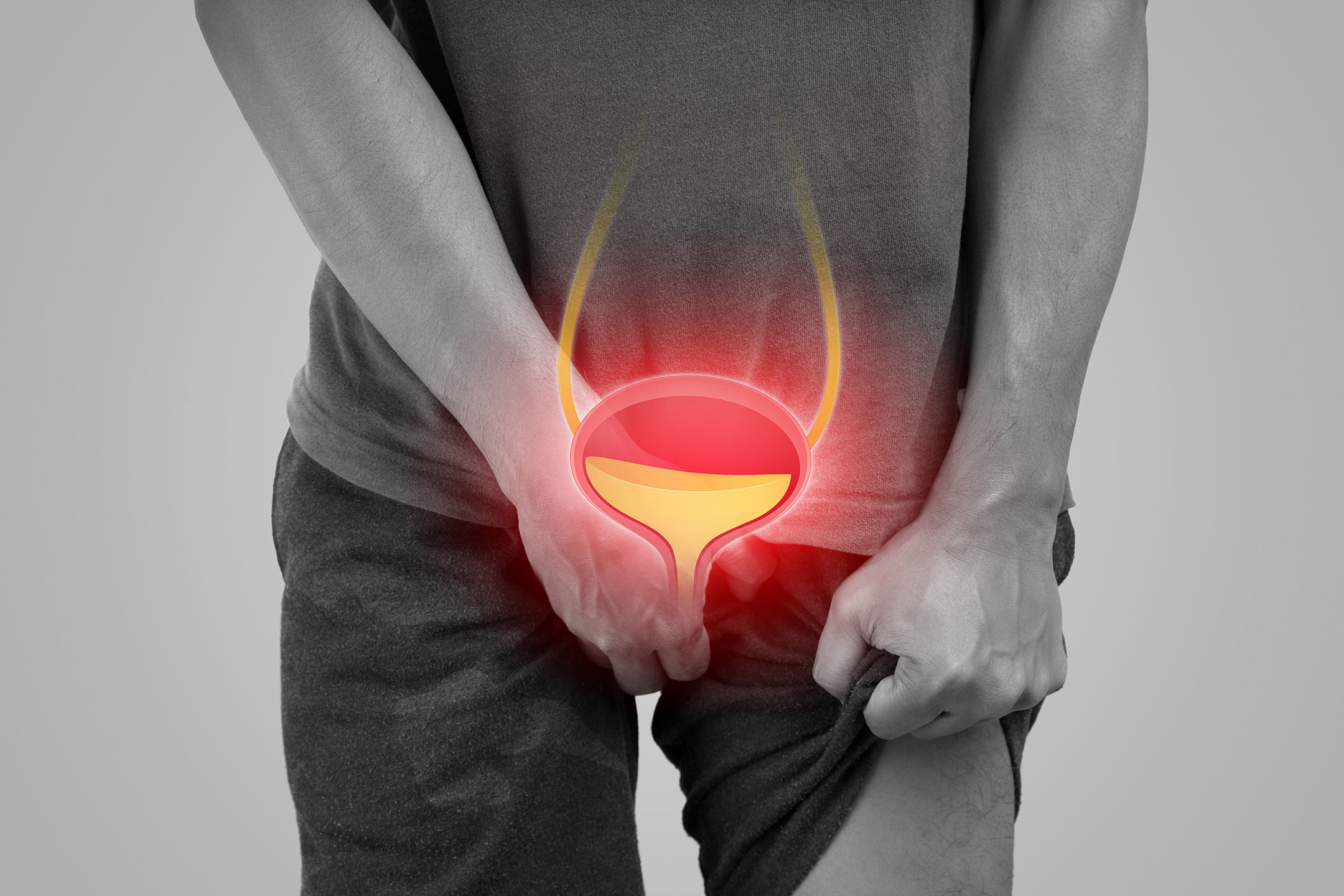
Common overactive bladder symptoms
Overactive bladder symptoms are centred around urgency, but the way they affect daily life varies from person to person.
- Most Typical
Urgency
Urgency is a sudden, strong need to pass urine that is difficult to delay. It can feel as though you need to get to the toilet immediately, even if you passed urine recently.
- Common Sign
Frequency
Some people with an overactive bladder need to pass urine far more often than usual during the day. This can interrupt work, travel, exercise and social activities.
- Common Sign
Night-time urination
Waking at night to pass urine is known as nocturia. It can disturb sleep and leave people feeling tired during the day. Night-time urination can have several causes, so assessment is important.
- Common Impact
Urge leakage
Urge leakage happens when urine leaks after a sudden urge, before you reach the toilet. This can affect confidence and may lead people to plan their day around toilet access.
- Daily Life Impact
Worry about toilet access
Some people start to worry about being too far from a toilet. This can affect travel, social plans, work and exercise, even when leakage does not happen every time.
Medical Disclaimer: This information is for educational purposes only. If you are experiencing severe, localised pain accompanied by fever, persistent vomiting, or inability to pass urine, please seek immediate emergency medical care.
Specialist assessment
Specialist assessment may be helpful if you:
- Have sudden urgency to pass urine
- Need to pass urine more often than usual
- Wake repeatedly at night to pass urine
- Leak urine before reaching the toilet
- Feel anxious about toilet access
- Have symptoms that are affecting work, sleep or social life
- Have tried simple measures without enough improvement
- Are unsure whether symptoms are due to overactive bladder, infection or another cause
Overactive bladder symptoms can overlap with urinary tract infection, bladder irritation, prostate problems in men or other urological conditions. Your clinician will help identify the most likely cause.
What to expect at Tyneside Urology Partners
Your clinician will discuss your symptoms in detail, including how often you pass urine, how strong the urgency feels, whether you leak and how often you wake at night. They may also ask about fluid intake, caffeine, alcohol, constipation, medicines, previous surgery, infections and any neurological conditions.
A bladder diary may be recommended. This records fluid intake, toilet visits, urgency and leakage episodes, helping your clinician understand your symptom pattern.
Diagnosis is based on your symptoms, medical history and test results where appropriate. Urine testing may be used to check for infection, blood or other changes. Your clinician may also consider whether bladder emptying, prostate symptoms in men or pelvic floor function are contributing.
Further assessment may be discussed if symptoms are complex, severe, mixed with other leakage types or not responding as expected.
Treatment planning is usually step-by-step. Your clinician may discuss bladder retraining, fluid and caffeine changes, pelvic floor support, medication or further treatment options where appropriate.
The aim is to choose a plan that matches your symptoms, lifestyle and preferences. Treatment is not the same for everyone, and your clinician will explain the benefits, limitations and next steps before anything is agreed.
Follow-up allows your clinician to review whether symptoms are improving and whether the treatment plan needs adjusting. If symptoms persist, further assessment or different options may be discussed.
What causes an overactive bladder?
An overactive bladder can have several possible causes. In some people, no single cause is found, but symptoms can still be managed.
Bladder muscle overactivity
Bladder irritation
Incomplete bladder emptying
Pelvic floor dysfunction
Nerve or medical conditions
Lifestyle factors

Managing an overactive bladder
Overactive bladder often improves with a structured approach. This usually begins by understanding the pattern of symptoms and identifying any factors that may be making them worse.
Bladder retraining can help some people gradually increase the time between toilet visits. Pelvic floor techniques may also help control urgency and reduce leakage in suitable patients.
If symptoms are more persistent, medication or further treatment options may be discussed. Your clinician will explain which options are appropriate after assessment.
When to seek medical advice
You should arrange medical assessment if urgency, frequency or leakage is affecting daily life, sleep, work or confidence. Assessment is also important if symptoms are new, worsening or not responding to simple measures.
Seek urgent medical advice through NHS 111, urgent care or emergency services if urinary symptoms are associated with fever, chills, back or side pain, visible blood in the urine, inability to pass urine, severe pain or feeling very unwell.
These symptoms may suggest infection, blockage or another condition that needs prompt attention.


Private overactive bladder treatment near Newcastle
Tyneside Urology Partners provides private overactive bladder assessment and treatment planning near Newcastle from its clinic in Team Valley, Tyne & Wear. The clinic serves patients from Newcastle, Gateshead, Tyneside and across the North East.
A consultation gives you the opportunity to discuss urgency, frequency, night-time urination or urge leakage in a discreet and professional setting. Your clinician will explain what may be causing your symptoms and what next steps may be suitable.
Frequently asked questions
- Is overactive bladder the same as incontinence?
Not exactly. Overactive bladder is defined by urgency and often frequency or night-time urination. If urgency causes leakage before reaching the toilet, this is called urge incontinence. Some people have urgency without leakage.
- Is overactive bladder caused by infection?
Overactive bladder is not the same as a urinary tract infection. However, infection can cause similar symptoms, so urine testing may be recommended where appropriate to help rule this out.
- Can overactive bladder affect men and women?
Yes. Overactive bladder can affect both men and women. In men, prostate symptoms may also need to be considered. In women, pelvic floor symptoms, menopause-related changes or previous childbirth may be relevant.
- Do I have to take medication?
Not necessarily. Treatment planning is usually step-by-step and may start with bladder retraining, fluid changes or pelvic floor support. Medication or further options may be discussed if symptoms do not improve enough.
- Will an overactive bladder get worse with age?
An overactive bladder can become more common with age, but it is not something you simply have to accept. Assessment can help identify contributing factors and guide treatment planning.
- When should I seek urgent help?
Seek urgent medical advice if urgency or frequency is linked with fever, chills, back or side pain, visible blood in the urine, severe pain, inability to pass urine or feeling very unwell.
Book Your Urology Consultation
Urology consultations are available a Tyneside Urology.
Please view the form below to check availability and make your booking.
If further tests or treatments are recommended, these will be explained fully before you decide how to proceed. Should you need ongoing support, follow-up appointments can be arranged with your consultant.
You can book your appointment below or contact us if you would prefer assistance.
Get overactive bladder treatment in Newcastle
If urgency, frequency, night-time urination or urge leakage is affecting your daily life, a specialist consultation can help identify the likely cause and suitable next steps. Tyneside Urology Partners provides private overactive bladder assessment and treatment planning near Newcastle.