Prostatitis
Prostatitis is inflammation or irritation of the prostate gland. It can cause pelvic pain, urinary symptoms, discomfort after ejaculation and symptoms that come and go over time. Tyneside Urology Partners provides private prostatitis assessment and treatment planning in Newcastle, helping men understand what may be causing their symptoms and what to do next.
- Specialist prostatitis assessment
- Support for acute and chronic symptoms
- Urine testing where appropriate
- Clear diagnosis and treatment planning
- Private men’s health care near Newcastle

What is prostatitis?
Prostatitis is a condition affecting the prostate, a small gland that sits below the bladder in men. The prostate surrounds the urethra, which is the tube that carries urine out of the body.
Prostatitis can develop suddenly or persist over a longer period. Acute prostatitis usually comes on quickly and is often linked to bacterial infection. Chronic prostatitis can last for weeks or months and may not involve infection.
Symptoms can include pain or discomfort in the pelvis, perineum, lower abdomen, testicles or base of the penis. Some men also notice urinary symptoms such as burning, frequency, urgency or a weaker flow.
Because prostatitis symptoms can overlap with urinary tract infection, benign prostate enlargement, bladder problems and other urological conditions, a careful assessment is important. The aim is to understand whether infection is involved, rule out other causes and plan treatment appropriately.
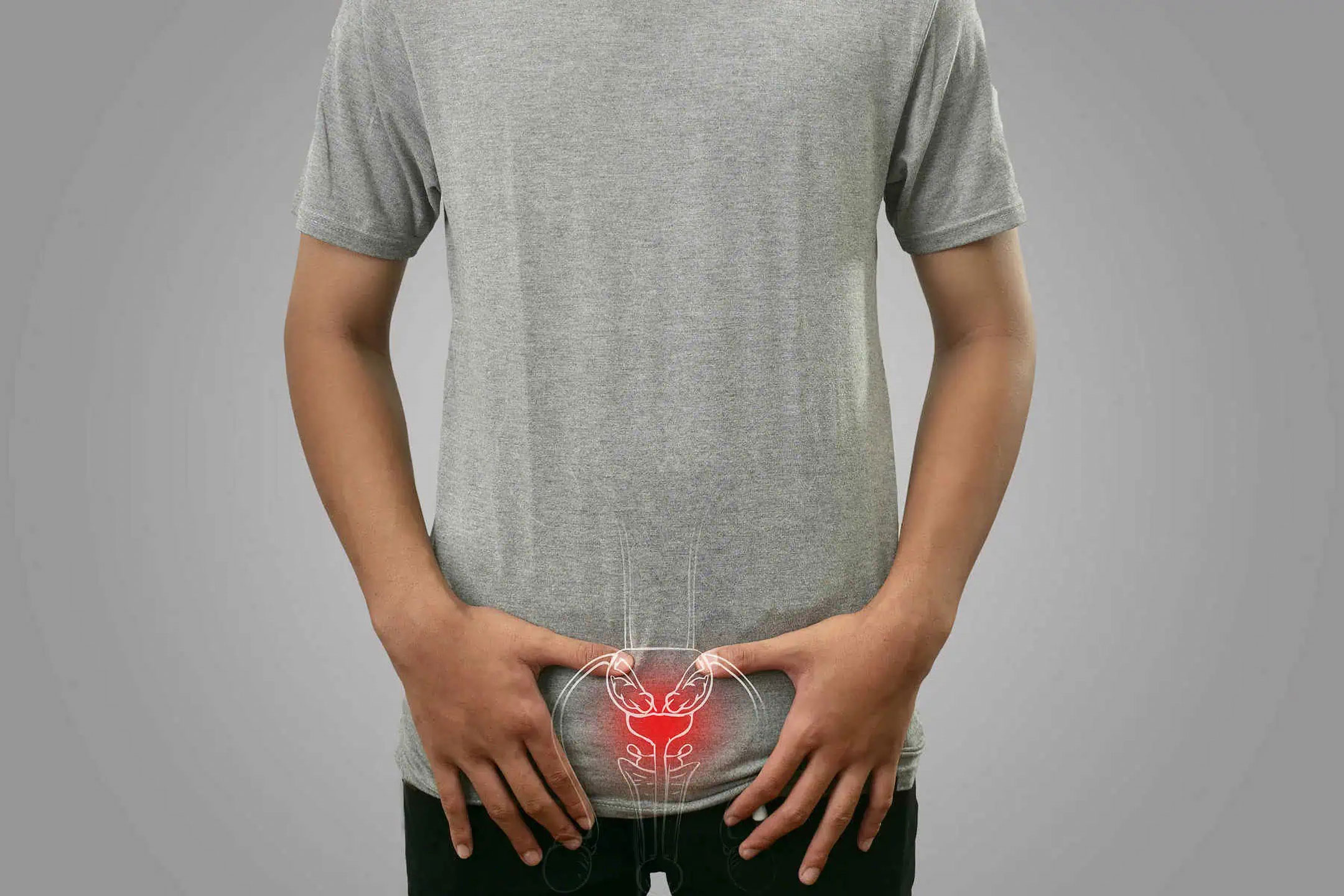
Common prostatitis symptoms
Prostatitis symptoms vary between men. Some symptoms appear suddenly, while others develop gradually or come and go over time.
- Most Typical
Pelvic or perineal pain
Pain or aching can be felt between the scrotum and back passage, in the lower abdomen, around the base of the penis or deep in the pelvis. This discomfort can be persistent or flare up at certain times.
- Requires Check
Pain when passing urine
Some men notice burning, stinging or discomfort when passing urine. This can feel similar to a urinary tract infection, so urine testing may be used where appropriate.
- Common Sign
Urgency and frequency
Prostatitis can cause a sudden need to pass urine or the need to go more often than usual. Some men also wake at night to pass urine.
- Requires Check
Weak flow or difficulty passing urine
Some men experience a weaker urine stream, hesitancy or a feeling that the bladder has not emptied fully. These symptoms can also occur with benign prostate enlargement.
- Worth Discussing
Pain after ejaculation
Pain or discomfort during or after ejaculation can occur with prostatitis. This can affect confidence, sexual activity and quality of life.
Medical Disclaimer: This information is for educational purposes only. If you are experiencing severe, localised pain accompanied by fever, persistent vomiting, or inability to pass urine, please seek immediate emergency medical care.
Specialist assessment
Specialist assessment may be helpful if you:
- Have ongoing pelvic, prostate or perineal discomfort
- Have pain or burning when passing urine
- Have urinary frequency, urgency or a weaker flow
- Notice pain during or after ejaculation
- Have symptoms that keep returning
- Have been treated for infection but symptoms have not settled
- Are unsure whether symptoms are due to prostatitis, infection or prostate enlargement
- Want a discreet specialist opinion about prostate or pelvic symptoms
If symptoms are severe, sudden or associated with fever or feeling very unwell, urgent medical advice may be needed.
What to expect at Tyneside Urology Partners
Your clinician will discuss your symptoms in detail, including where pain is felt, how long it has been present and whether symptoms started suddenly or gradually. They may ask about urinary symptoms, sexual symptoms, previous infections, medicines, prostate history and general health.
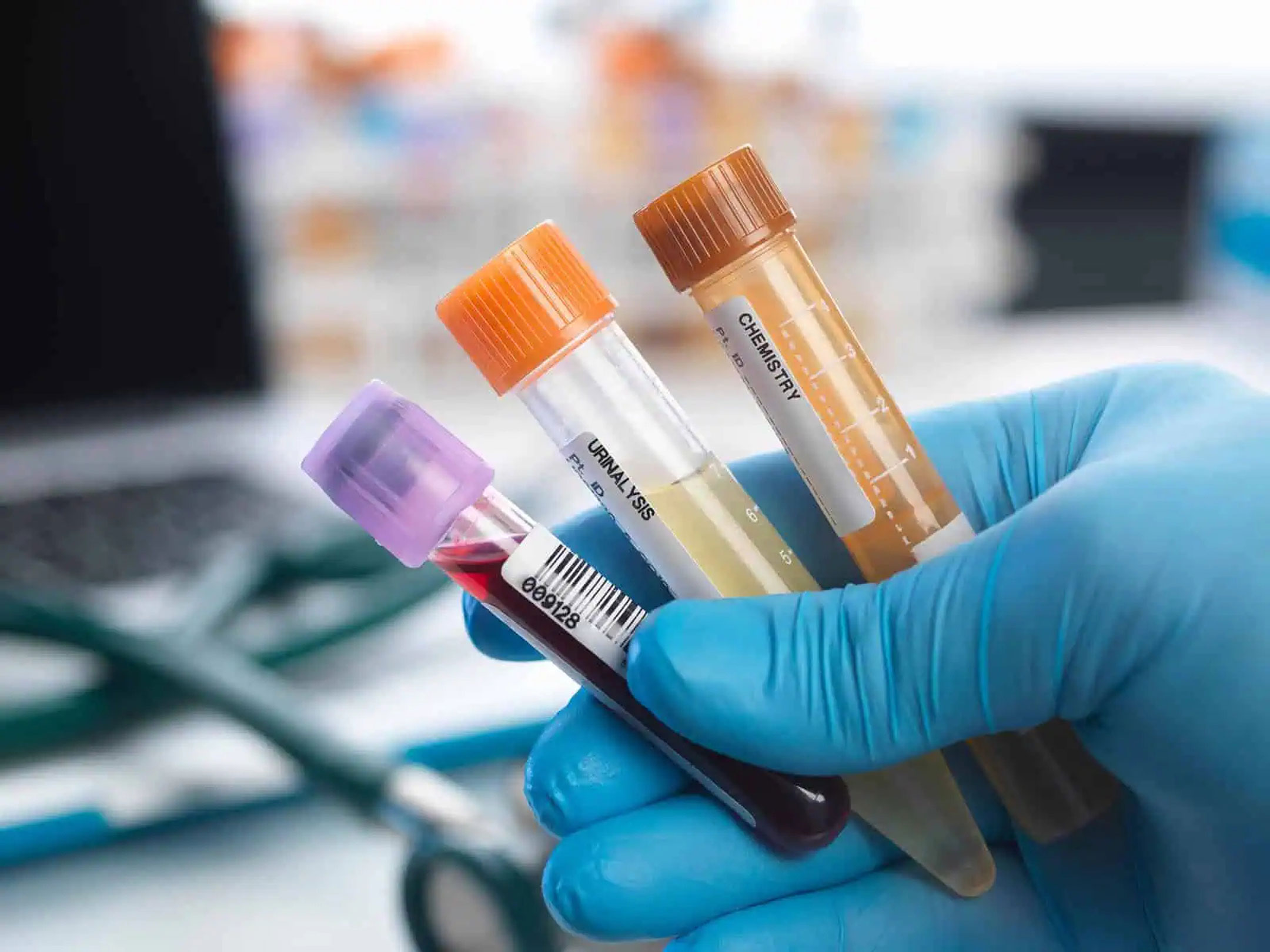
A urine test may be used where appropriate to check for infection, blood or other changes. Your clinician may also discuss whether examination or further assessment is needed based on your symptoms.
Diagnosis is based on your symptoms, medical history, examination findings and test results where appropriate. The aim is to identify whether symptoms are more likely to be caused by acute bacterial prostatitis, chronic prostatitis, chronic pelvic pain syndrome or another urological condition.
Your clinician will explain the findings clearly and discuss whether further tests are needed to rule out other causes.
Treatment planning depends on the type of prostatitis and whether infection appears to be involved. If bacterial infection is suspected or confirmed, treatment may involve antibiotics. If symptoms are chronic or infection is not found, other approaches may be considered.
Your clinician will explain which options are appropriate for your situation, what they are intended to achieve and what follow-up may be needed.
Follow-up can be helpful because prostatitis symptoms sometimes take time to settle. If symptoms persist, change or return, your clinician may review the diagnosis and discuss whether further assessment is needed.
The aim is to manage symptoms, identify triggers where possible and make sure other causes are not being missed.
What causes prostatitis?
Prostatitis can have several possible causes. In some cases, there is a clear bacterial infection. In others, no infection is found and symptoms may be linked to inflammation, pelvic muscle tension, nerve sensitivity or other factors.
Bacterial infection
Chronic prostatitis
Pelvic floor muscle tension
Urinary tract problems
Prostate enlargement
Stress and symptom flares
Acute and chronic prostatitis
Prostatitis is often divided into acute and chronic forms.
Acute prostatitis usually starts suddenly and may cause fever, chills, pelvic pain and urinary symptoms. It can be linked to bacterial infection and should be assessed promptly.
Chronic prostatitis lasts longer and can be more difficult to pin down. Symptoms may come and go, and urine tests do not always show infection. Management often depends on the pattern of symptoms and any contributing factors found during assessment.
Understanding which type is more likely helps guide the right treatment plan.
When to seek urgent medical advice
Some prostatitis symptoms need urgent assessment, particularly if infection may be severe.
Seek urgent medical advice through NHS 111, urgent care or emergency services if you have pelvic or urinary symptoms with:
- A high temperature, chills or shivering
- Feeling very unwell
- Severe pain
- Difficulty passing urine
- Inability to pass urine
- Confusion or sudden worsening in general health
- Blood in the urine
- Vomiting or inability to keep fluids down
Do not wait for a private appointment if symptoms are severe, sudden or rapidly worsening.


Private prostatitis treatment near Newcastle
Tyneside Urology Partners provides private prostatitis assessment and treatment planning near Newcastle from its clinic in Team Valley, Tyne & Wear. The clinic serves patients from Newcastle, Gateshead, Tyneside and across the North East.
A consultation gives you the opportunity to discuss pelvic pain, urinary symptoms, prostate discomfort or sexual symptoms in a discreet setting. Your clinician will explain what may be causing your symptoms and what next steps may be suitable.
Frequently asked questions
- Is prostatitis the same as an enlarged prostate?
No. Prostatitis means inflammation or irritation of the prostate. An enlarged prostate is a non-cancerous increase in prostate size. The symptoms can overlap, which is why assessment is useful.
- Is prostatitis caused by infection?
Sometimes. Acute prostatitis is often linked to bacterial infection. Chronic prostatitis may not involve infection, and other factors such as pelvic floor tension or inflammation may contribute.
- Is prostatitis serious?
Prostatitis is often treatable, but acute prostatitis with fever, severe pain or difficulty passing urine needs urgent medical advice. Chronic symptoms should also be assessed if they persist or keep returning.
- Can prostatitis cause pain after ejaculation?
Yes. Some men with prostatitis notice discomfort during or after ejaculation. This can be distressing, but it is a recognised symptom and can be discussed confidentially during assessment.
- How is prostatitis assessed?
Assessment usually involves a detailed discussion of symptoms, medical history and urinary symptoms. Urine testing, examination or further investigations may be discussed depending on your symptoms.
- Can prostatitis come back?
Yes. Some men have recurrent or chronic symptoms. If symptoms keep returning, a structured assessment can help identify triggers, rule out other causes and guide a longer-term plan.
Book Your Urology Consultation
Urology consultations are available a Tyneside Urology.
Please view the form below to check availability and make your booking.
If further tests or treatments are recommended, these will be explained fully before you decide how to proceed. Should you need ongoing support, follow-up appointments can be arranged with your consultant.
You can book your appointment below or contact us if you would prefer assistance.
Get prostatitis treatment in Newcastle
If you have ongoing pelvic pain, prostate discomfort, urinary symptoms or pain after ejaculation, a specialist consultation can help identify the likely cause and suitable next steps.