Urethral Stricture
A urethral stricture is a narrowing of the urethra, the tube that carries urine out of the body. It can make passing urine increasingly difficult and may cause a weak stream, spraying, straining, infections or incomplete bladder emptying. Tyneside Urology Partners provides private urethral stricture assessment and treatment planning in Newcastle, helping patients understand the cause of their symptoms and the most appropriate next steps.
- Consultant-led urethral stricture assessment
- Clear diagnosis and explanation of symptoms
- Support for weak flow, spraying and straining
- Treatment planning based on stricture findings
- Private men’s health care near Newcastle
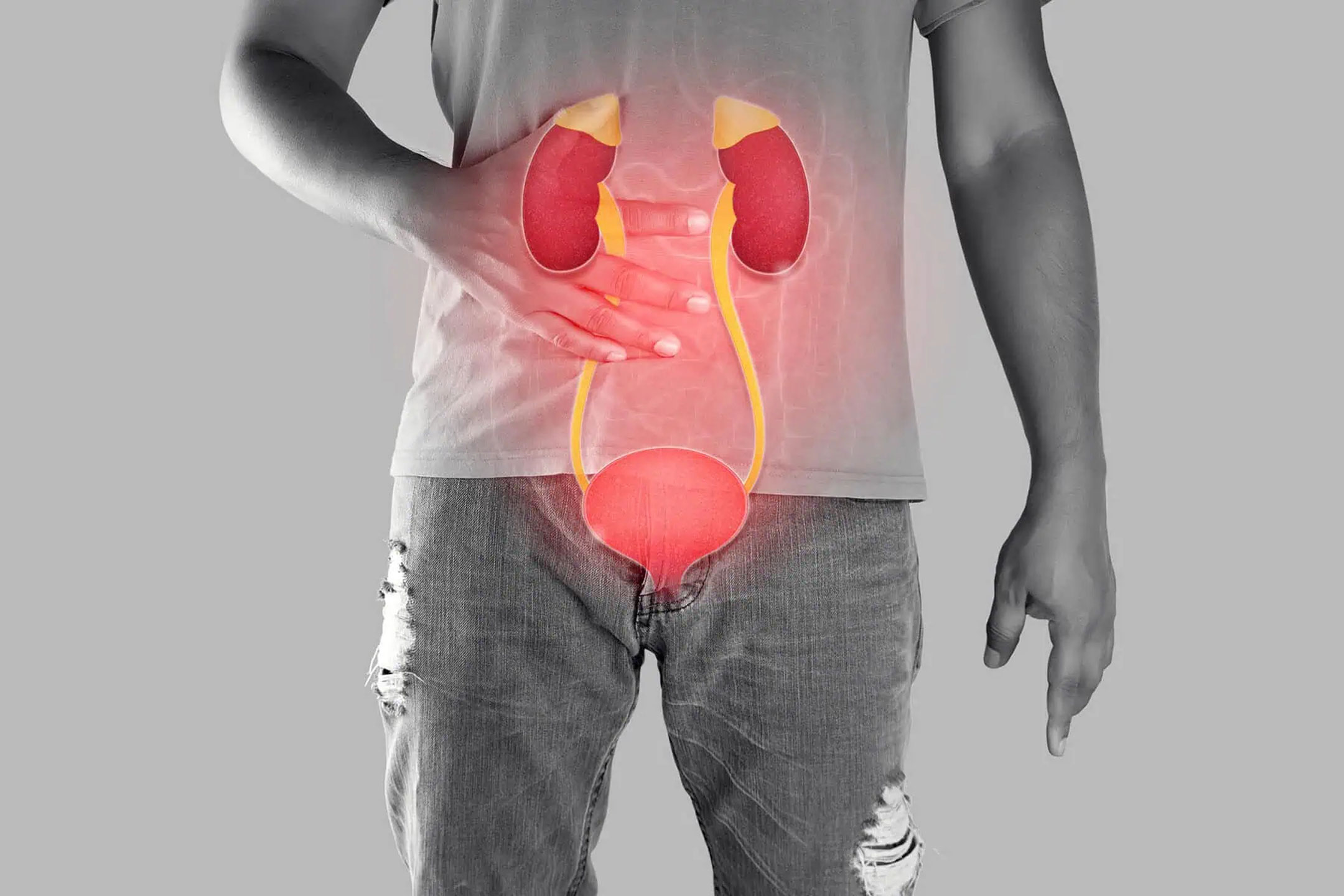
What is a urethral stricture?
A urethral stricture is a narrowing of the urethra. The urethra is the tube that carries urine from the bladder out of the body. When scar tissue forms in or around the urethra, it can narrow the channel and restrict the flow of urine.
Urethral strictures are more common in men because the male urethra is longer. They can develop at different points along the urethra and can vary in length and severity. Some strictures cause mild symptoms, while others can make passing urine very difficult.
The narrowing usually develops gradually. Many men first notice a weaker stream, spraying, dribbling or needing to strain. Over time, the bladder may have to work harder to empty, and some men develop recurrent urinary tract infections or a feeling that the bladder is not emptying fully.
The right approach depends on where the stricture is, how long it is, how tight it has become and whether it has happened before. A careful assessment is important because repeated short-term treatment may not always be the best long-term answer.
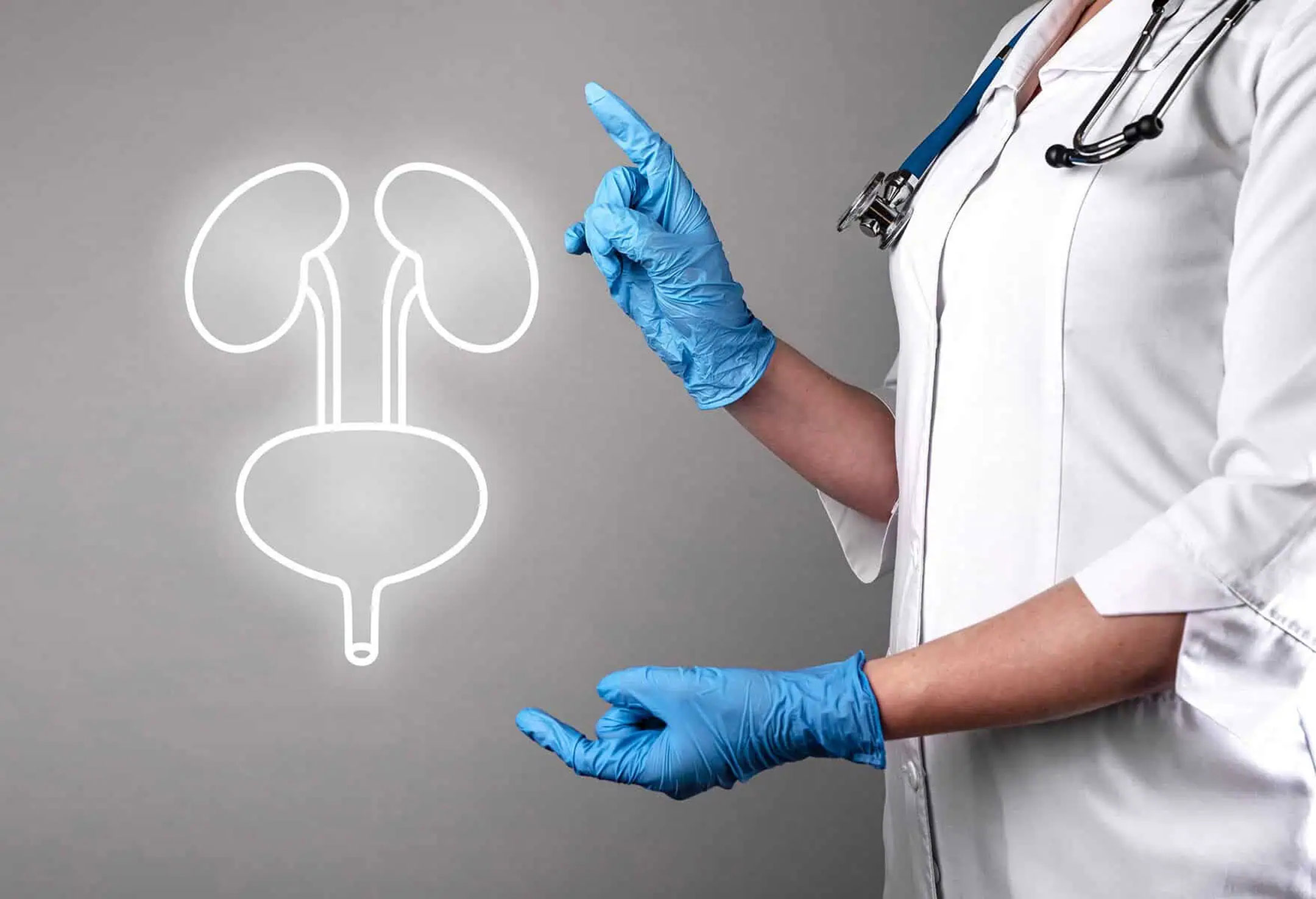
Common urethral stricture symptoms
A urethral stricture usually causes symptoms by making it harder for urine to pass through the narrowed part of the urethra.
- Most Typical
Weak or slow urine flow
A weak or slow stream is one of the most common symptoms. You may notice that passing urine takes longer than it used to or that the stream lacks force.
- Common Sign
Spraying or splitting
The urine stream may spray, split or pass in an uneven direction. This can happen when the narrowing disrupts the normal flow of urine through the urethra.
- Common Sign
Straining or hesitancy
Some men need to strain to start passing urine or to keep the flow going. There may be a delay before urine starts, even when the bladder feels full.
- Requires Check
Incomplete emptying
A stricture can make it difficult for the bladder to empty fully. This may cause a feeling that urine remains in the bladder, or that you need to return to the toilet soon after going.
- Requires Review
Recurrent urinary symptoms
Some men develop repeated urinary tract infections, discomfort when passing urine or dribbling after urination. If the stricture becomes severe, it can lead to difficulty passing urine at all.
Medical Disclaimer: This information is for educational purposes only. If you are experiencing severe, localised pain accompanied by fever, persistent vomiting, or inability to pass urine, please seek immediate emergency medical care.
Specialist assessment
Specialist assessment may be helpful if you:
- Have a weak, slow or spraying urine stream
- Need to strain to pass urine
- Feel that your bladder does not empty fully
- Have recurrent urinary tract infections
- Have had previous urethral surgery, catheterisation or injury
- Have symptoms that returned after previous stricture treatment
- Have been told you may have a urethral stricture
- Are finding it increasingly difficult to pass urine
If you are unable to pass urine at all, seek urgent medical advice. This can be a urological emergency and should not wait for a routine appointment.
What to expect at Tyneside Urology Partners
Your clinician will discuss your symptoms in detail, including when they started, whether they are getting worse and whether you have had previous urethral procedures, catheters, infections, trauma or surgery.
They may ask about urine flow, spraying, straining, pain, infections, blood in the urine and whether you feel the bladder empties fully. A urine test may be used where appropriate to check for infection, blood or other changes.
Diagnosis is usually based on your symptoms, examination findings and tests where appropriate. Your clinician may discuss tests to assess urine flow, bladder emptying or the urethra itself.
The aim is to understand whether a stricture is present, where it is, how severe it appears and whether it may explain your symptoms. Your clinician will explain the findings clearly and how they affect treatment planning.
Treatment planning depends on the length, position and severity of the stricture, as well as whether it is a first episode or a recurrence. Some strictures may be managed with a less invasive approach, while others may need more detailed treatment planning.
Your clinician will explain the options that are appropriate for your circumstances, including the likely benefits, limitations, risks and recovery considerations before any treatment is agreed.
Follow-up may be recommended to monitor symptoms, urine flow and bladder emptying. This is particularly important if symptoms return after previous treatment or if there is a risk of recurrent narrowing.
If your symptoms change or worsen, your clinician may discuss whether further assessment is needed.
What causes a urethral stricture?
A urethral stricture forms when scar tissue narrows the urethra. There are several possible causes, although in some people no clear cause is found.
Previous catheter or instrumentation
Injury or trauma
Infection or inflammation
Previous surgery
Lichen sclerosus
No clear cause

Recurrent urethral strictures
Some strictures come back after treatment. This can be frustrating, especially if symptoms improve for a while and then slowly return.
Simple widening procedures may relieve symptoms in the short term, but in some strictures the scar tissue reforms. If a stricture has returned, reassessment is important so the length, location and pattern of recurrence can be understood.
A recurrent stricture may need a different approach from a first, short narrowing. Your clinician will explain why treatment choice matters and how the options compare for your specific stricture.
When to seek urgent medical advice
Most urethral stricture symptoms can be assessed through a planned appointment, but some symptoms need urgent care.
Seek urgent medical advice through NHS 111, urgent care or emergency services if you are unable to pass urine, have severe lower abdominal pain, develop fever or chills, feel very unwell, or have heavy bleeding in the urine.
Do not wait for a private appointment if you cannot pass urine or symptoms are severe and worsening.

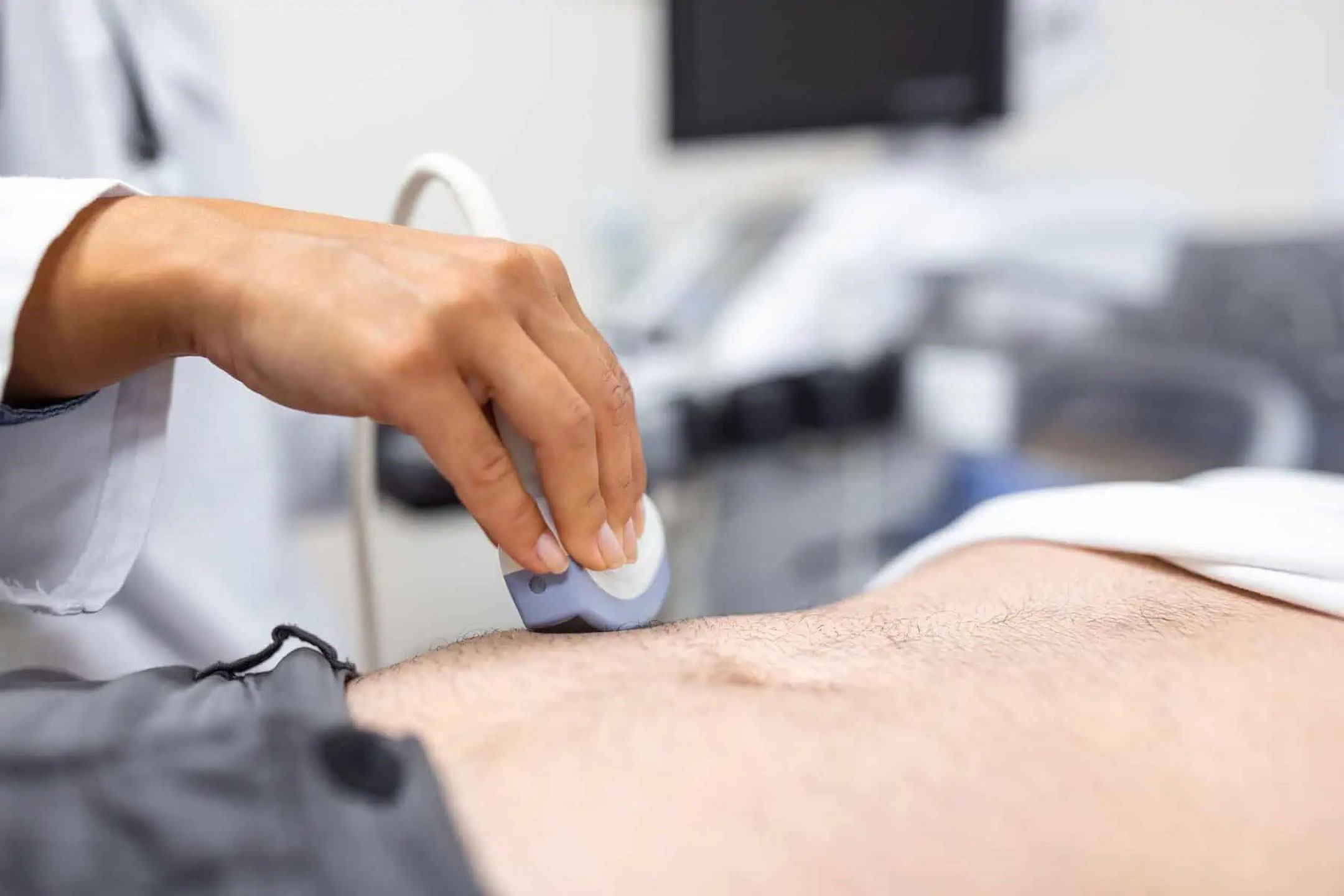
Private urethral stricture treatment near Newcastle
Tyneside Urology Partners provides private urethral stricture assessment and treatment planning near Newcastle from its clinic in Team Valley, Tyne & Wear. The clinic serves patients from Newcastle, Gateshead, Tyneside and across the North East.
A consultation gives you the opportunity to discuss weak flow, spraying, straining, recurrent infections or previous stricture treatment in a discreet, specialist setting. Your clinician will explain what may be causing your symptoms and what next steps may be suitable.
Frequently asked questions
- What are the symptoms of a urethral stricture?
Common symptoms include a weak or slow urine stream, spraying, straining, hesitancy, dribbling, recurrent urinary infections and a feeling that the bladder has not emptied fully.
- Is a urethral stricture serious?
A urethral stricture is usually treatable, but it should be assessed if symptoms are persistent or worsening. If you are unable to pass urine at all, this needs urgent medical attention.
- What causes a urethral stricture?
A stricture is caused by scar tissue narrowing the urethra. This can follow injury, infection, inflammation, catheterisation, surgery or skin conditions such as lichen sclerosus. Sometimes no clear cause is found.
- Can a urethral stricture come back?
Yes. Some strictures recur after treatment, especially if they are longer, tighter or have come back before. Recurrent symptoms should be reassessed so the most appropriate next step can be discussed.
- How is a urethral stricture diagnosed?
Diagnosis may involve discussing symptoms, urine testing, urine flow assessment, bladder emptying checks and direct or imaging assessment of the urethra where appropriate. Your clinician will explain which tests are relevant.
- What should I do if I cannot pass urine?
If you cannot pass urine, seek urgent medical advice. This can be a urological emergency and may need immediate treatment to drain the bladder.
Book Your Urology Consultation
Urology consultations are available a Tyneside Urology.
Please view the form below to check availability and make your booking.
If further tests or treatments are recommended, these will be explained fully before you decide how to proceed. Should you need ongoing support, follow-up appointments can be arranged with your consultant.
You can book your appointment below or contact us if you would prefer assistance.
Get urethral stricture treatment in Newcastle
If passing urine is becoming difficult, your stream is weak or spraying, or symptoms have returned after previous stricture treatment, a specialist consultation can help identify the cause and guide the next step.