Urinary Tract Infections
Urinary tract infections, often called UTIs, can cause burning, urgency, frequency, bladder discomfort and changes in urine. Tyneside Urology Partners provides private urinary tract infection assessment and treatment planning in Newcastle, helping patients understand whether infection is present and what next steps may be suitable.
- Specialist assessment for suspected urinary tract infections
- Support for burning, urgency, frequency and bladder discomfort
- Urine testing and culture-guided treatment planning
- Advice for recurrent or persistent urinary symptoms

What is a urinary tract infection?
A urinary tract infection happens when bacteria infect part of the urinary system. This can include the urethra, bladder, ureters or kidneys.
Most UTIs affect the lower urinary tract, usually the bladder or urethra. This can cause symptoms such as burning when passing urine, needing to pass urine more often, urgency and lower abdominal discomfort.
Some infections can spread higher up towards the kidneys. This may cause back or side pain, fever, chills, vomiting or feeling very unwell. These symptoms need urgent medical advice.
UTIs can affect people of any age and sex. They are more common in women, but men can also develop UTIs, especially where there are prostate symptoms, bladder emptying problems, stones, catheter use or other urological factors.
A urine infection should not be treated on symptoms alone in every case. Urine testing may help confirm whether bacteria are present and guide whether antibiotics or further assessment are needed.
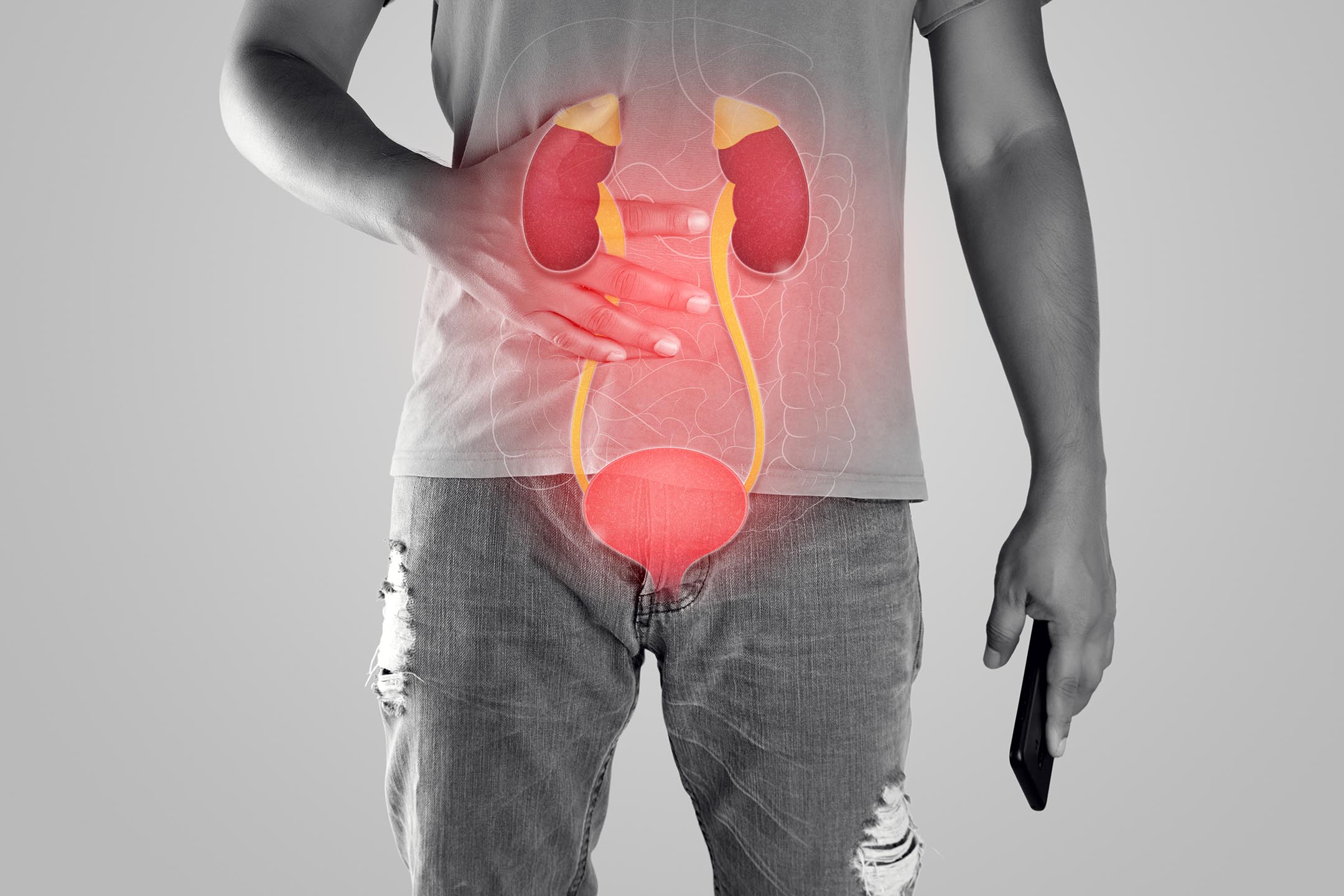
Common urinary tract infection symptoms
UTI symptoms can vary depending on which part of the urinary tract is affected. Some symptoms are typical of cystitis, while others may suggest a more serious infection or another urological condition.
- Most Typical
Burning or stinging when passing urine
A burning, stinging or painful feeling when passing urine is one of the most common symptoms of a lower urinary tract infection. It may be felt during urination or shortly afterwards.
- Common Sign
Urgency and frequency
A UTI can make you feel that you need to pass urine more often than usual. You may also feel a sudden urge to go, sometimes with very little warning.
- Common Sign
Bladder or lower abdominal discomfort
Some people feel pressure, aching or discomfort low in the abdomen or around the bladder. This can happen with bladder infection, irritation or inflammation.
- Requires Check
Cloudy, strong-smelling or blood-stained urine
Urine may look cloudy, smell stronger than usual or appear blood-stained. Blood in the urine should be checked by a healthcare professional, even if infection is suspected.
- Urgent
Fever, back pain or feeling very unwell
A high temperature, chills, shivering, back or side pain, vomiting or feeling very unwell may suggest a kidney infection or a more serious infection. These symptoms need urgent medical advice.
Medical Disclaimer: This information is for educational purposes only. If you are experiencing severe, localised pain accompanied by fever, persistent vomiting, or inability to pass urine, please seek immediate emergency medical care.
Specialist assessment
Specialist assessment may be helpful if you:
- Have burning, stinging or pain when passing urine
- Need to pass urine more often than usual
- Have sudden urgency or difficulty holding on
- Have lower abdominal or bladder discomfort
- Have cloudy, strong-smelling or blood-stained urine
- Have symptoms that have not settled as expected
- Have symptoms that return after treatment
- Have recurrent urinary tract infections
- Have had repeated antibiotic courses
- Have unclear or conflicting urine test results
- Are male and have symptoms of a urinary infection
- Have prostate symptoms alongside UTI symptoms
- Have kidney stone symptoms or a history of stones
- Use a catheter or have difficulty emptying the bladder
- Want clearer urine testing or prevention advice
If you have fever, chills, back or side pain, vomiting, visible blood in the urine, UTI symptoms during pregnancy or feel very unwell, seek urgent medical advice. Do not wait for a routine private appointment if symptoms are severe, sudden or getting worse.
What to expect at Tyneside Urology Partners
Your clinician will discuss your symptoms, how long they have been present and whether you have had similar episodes before. They may ask about burning, urgency, frequency, bladder pain, night-time urination, visible blood in the urine and any fever or back pain.
They may also ask about previous urine test results, antibiotic use, sexual triggers, menopause-related symptoms, constipation, kidney stones, catheter use, prostate symptoms in men, diabetes, medication and any previous urology investigations.
A urine test may be used where appropriate to look for infection, blood or other changes. If symptoms have been recurrent or unclear, your clinician may review previous urine cultures or arrange further testing.
Diagnosis usually involves looking at symptoms and urine results together. A urine dipstick can give useful initial information, but it does not always provide the full answer.
A urine culture may be recommended to identify bacteria and guide treatment. In some cases, rapid urine culture testing may be considered if a same-appointment result would help guide care. Standard laboratory culture may still be needed depending on the situation.
Your clinician may also consider whether symptoms are being caused by something other than infection. Overactive bladder, bladder pain syndrome, pelvic floor dysfunction, cystitis, stones, prostate enlargement or urethral narrowing can sometimes cause similar symptoms.
Further assessment may include bladder scan, urine flow test, ultrasound, flexible cystoscopy or other investigations where appropriate. Not every patient needs every test.
Treatment planning depends on your symptoms, urine results, medical history and whether infection is confirmed or strongly suspected.
If a bacterial infection is likely, antibiotics may be considered. Your clinician will explain why a particular approach is recommended and whether treatment should be guided by urine culture results.
If urine tests do not confirm infection, antibiotics may not be helpful. In that situation, your clinician may discuss other possible causes of symptoms and whether further investigation is needed.
For recurrent UTIs, the plan may also include prevention advice, review of triggers, assessment of bladder emptying and discussion of non-antibiotic options where appropriate.
Follow-up depends on the pattern of symptoms and the treatment plan. Some patients need review after urine culture results. Others may need further assessment if symptoms continue, return quickly or do not match the urine test findings.
If infections are recurrent, your clinician may recommend a longer-term prevention and monitoring plan.
What causes urinary tract infections?
UTIs are usually caused by bacteria entering the urinary tract. Several factors can increase the chance of infection or make symptoms more likely to return.
Bacteria entering the urinary tract
Bladder emptying problems
Sexual activity
Menopause-related changes
Kidney stones
Catheter use
General health factors

UTIs, cystitis and recurrent symptoms
Cystitis means inflammation of the bladder. It is often caused by a urinary tract infection, but bladder symptoms are not always due to bacteria.
Burning, urgency and frequency can occur with cystitis, overactive bladder, bladder pain syndrome, pelvic floor dysfunction or irritation. This is why urine testing can be important, especially if symptoms keep returning or do not improve with treatment.
Recurrent UTI symptoms need a structured approach. Repeated antibiotics are not always the right answer if infection has not been confirmed. A careful assessment can help identify whether bacteria are present, whether culture-guided treatment is needed and whether another condition may be contributing.
Managing urinary tract infections
Management depends on whether infection is confirmed or strongly suspected, how severe symptoms are and whether there are risk factors for complications.
For a straightforward lower UTI, treatment may involve antibiotics where appropriate, supported by urine testing and symptom review.
For recurrent or persistent symptoms, management may include:
- Urinalysis
- Urine culture
- Rapid urine culture testing where suitable
- Review of previous antibiotic use
- Assessment of bladder emptying
- Review of kidney stone or prostate symptoms
- Flexible cystoscopy in selected cases
- Prevention planning for recurrent infections
- UTI vaccine assessment in selected patients
- Consideration of other bladder conditions if infection is not confirmed
Treatment should be tailored to the individual. Your clinician will explain the likely benefits, limitations and possible side effects of any treatment option before a plan is agreed.


When to seek urgent medical advice
Most lower urinary tract infection symptoms can be assessed through a planned appointment, but some symptoms need urgent care.
Seek urgent medical advice through NHS 111, urgent care or emergency services if you:
- Have a high temperature, chills or shivering
- Feel very unwell or suddenly worse
- Have back or side pain
- Are vomiting or cannot keep fluids down
- Have visible blood in the urine
- Have heavy bleeding or clots
- Cannot pass urine
- Have severe lower abdominal pain
- Have UTI symptoms during pregnancy
- Are frail, immunosuppressed or have symptoms that are rapidly worsening
Do not wait for a private appointment if symptoms are severe, sudden or you feel acutely unwell.
Private UTI treatment near Newcastle
Tyneside Urology Partners provides private assessment for urinary tract infections near Newcastle from its clinic in Team Valley, Tyne & Wear. The clinic serves patients from Newcastle, Gateshead, Tyneside and across the North East.
A consultation gives you the opportunity to discuss UTI symptoms, urine test results, recurrent infections, previous antibiotic use and prevention options in a specialist setting. Your clinician will explain what may be causing your symptoms and what next steps may be suitable.

Frequently asked questions
- What are the most common UTI symptoms?
Common UTI symptoms include burning or stinging when passing urine, needing to pass urine more often, urgency, bladder discomfort and cloudy or strong-smelling urine. Some people may notice blood in the urine, which should be checked by a healthcare professional.
- Do all urinary symptoms mean I have a UTI?
No. Burning, urgency, frequency and bladder discomfort can be caused by infection, but they can also occur with overactive bladder, bladder pain syndrome, pelvic floor dysfunction, stones or prostate conditions. Urine testing and specialist assessment can help clarify the cause.
- When should I seek urgent help for a UTI?
Seek urgent medical advice if you have fever, chills, back or side pain, vomiting, visible blood in the urine, severe pain, pregnancy-related symptoms, difficulty passing urine or feel very unwell. These symptoms may suggest a more serious infection or another urgent problem.
- Can men get urinary tract infections?
Yes. Men can get UTIs, although urinary infections in men often need careful assessment. Your clinician may consider prostate enlargement, bladder emptying, kidney stones, urethral stricture or other urological factors.
- What tests might I need for a UTI?
Tests may include urinalysis, urine culture or rapid urine culture testing. If symptoms are recurrent, persistent or unclear, further tests such as bladder scan, urine flow assessment, ultrasound or flexible cystoscopy may be considered.
- Can UTIs keep coming back?
Yes. Some people experience recurrent UTIs. If infections keep returning, assessment can help review urine culture results, triggers, bladder emptying, antibiotic history and prevention options. The right plan depends on your symptoms and test results.
Book Your Urology Consultation
Urology consultations are available a Tyneside Urology.
Please view the form below to check availability and make your booking.
If further tests or treatments are recommended, these will be explained fully before you decide how to proceed. Should you need ongoing support, follow-up appointments can be arranged with your consultant.
You can book your appointment below or contact us if you would prefer assistance.
Get help with urinary tract infections in Newcastle
If urinary symptoms are affecting your comfort, confidence or daily life, specialist assessment can help identify whether infection is present and what next steps may be suitable.