Bladder Injection Therapy in Newcastle
Bladder injection therapy uses botulinum toxin injections into the bladder wall to help calm an overactive bladder. It may be considered for people with urgency, frequency or urge leakage when bladder retraining, lifestyle measures or medication have not provided enough relief.
Tyneside Urology Partners provides bladder injection therapy consultations in Newcastle for selected patients with overactive bladder symptoms. Treatment suitability depends on your symptoms, bladder function, medical history, previous treatments and a specialist consultation.

What Is bladder injection therapy?
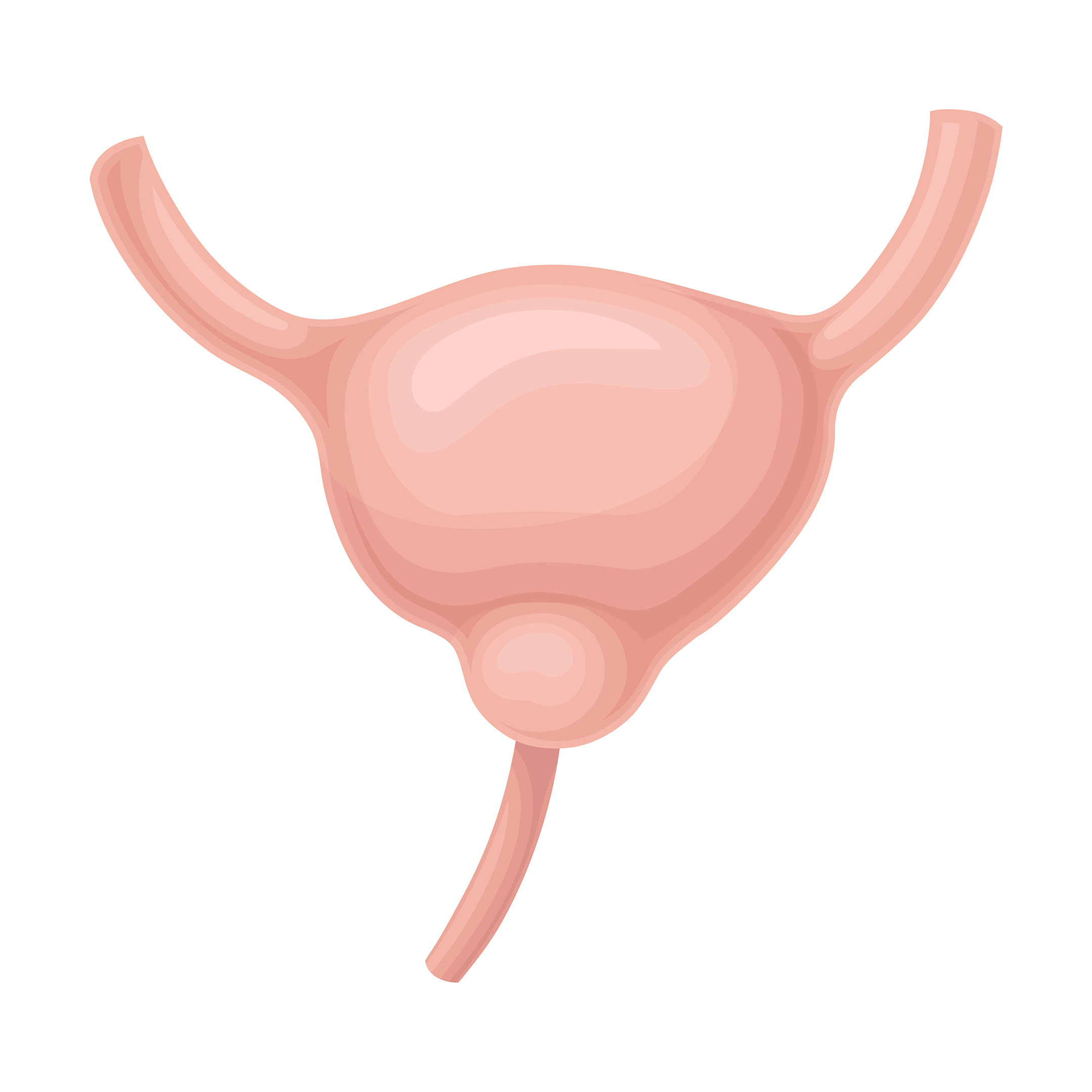
Bladder injection therapy is a treatment for overactive bladder. It involves placing small injections of botulinum toxin into the bladder wall to reduce unwanted bladder muscle contractions.
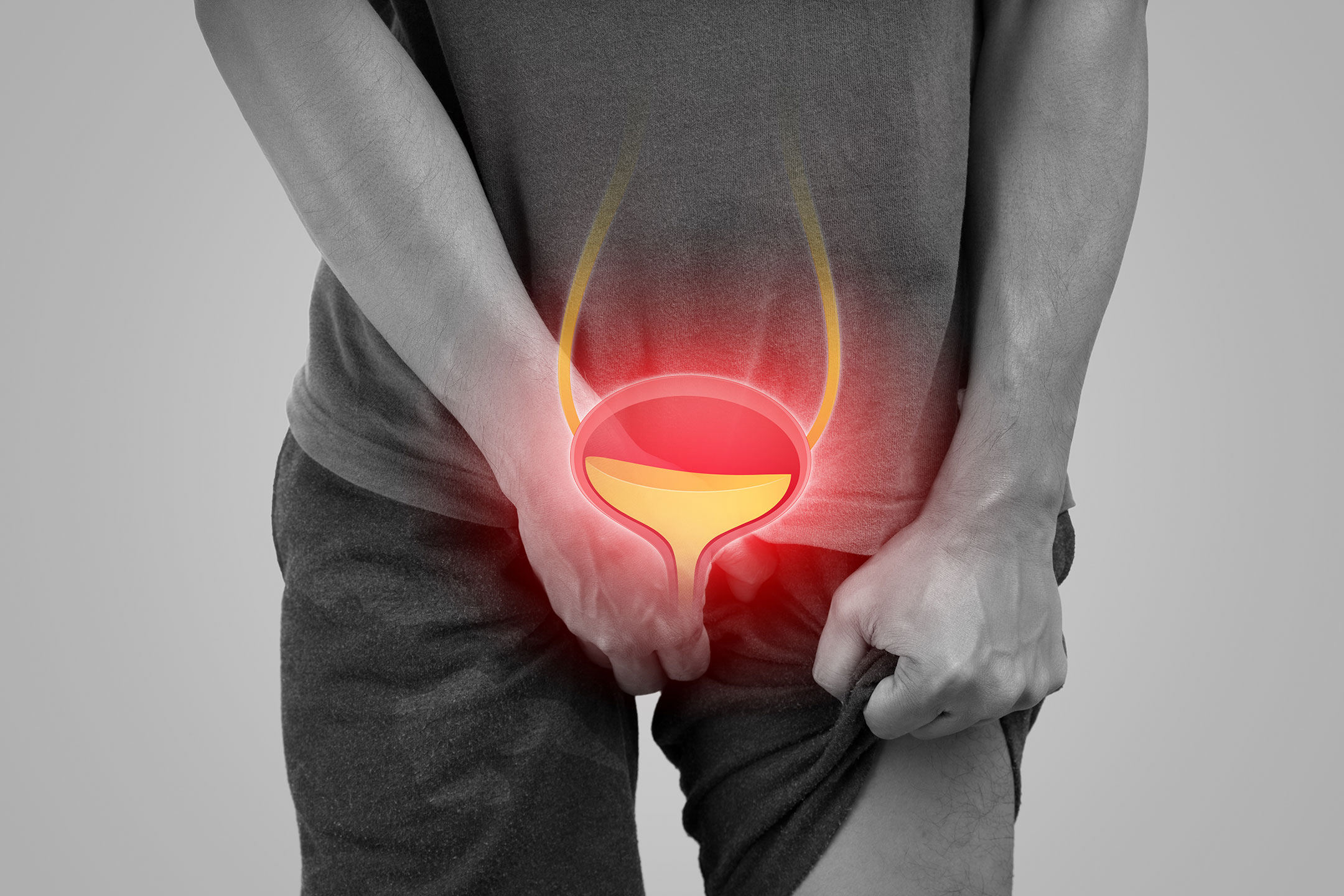
Overactive bladder can cause a sudden, strong urge to pass urine. Some people also need to pass urine very often, wake at night to pass urine or leak before reaching the toilet. This type of leakage is often called urge incontinence.
Botulinum toxin is a prescription-only medicine. When used in the bladder, it acts on the bladder muscle to reduce overactivity. The aim is to calm the bladder so urgency, frequency and urge leakage become easier to manage.
The treatment is usually considered after simpler approaches have been tried. These may include bladder retraining, fluid and lifestyle advice, pelvic floor rehabilitation or medication. Your clinician will explain whether bladder injection therapy is appropriate for your symptoms.
Why bladder injection therapy may be considered
Bladder injection therapy may be considered when overactive bladder symptoms are affecting daily life and other treatments have not given enough improvement. It can be helpful for selected patients whose main problem is urgency or urge leakage.
For some people, urgency can be unpredictable and disruptive. It may affect work, travel, sleep, exercise and confidence. Treatment aims to reduce the intensity and frequency of bladder urges, giving more time to reach the toilet.
A careful assessment is important before treatment is recommended. Urgency and frequency can sometimes be linked to infection, bladder stones, bladder irritation, prostate problems, incomplete emptying or other urological conditions. Your clinician will consider these possibilities before advising on treatment.

Who bladder injection therapy is for
Bladder injection therapy may be suitable for selected patients with overactive bladder symptoms where specialist assessment suggests it is an appropriate next step. Specialist assessment may be helpful if you:
- Have sudden urgency to pass urine
- Leak urine before reaching the toilet
- Need to pass urine very often
- Wake at night to pass urine
- Have overactive bladder symptoms affecting daily life
- Have not had enough improvement with bladder retraining
- Have not had enough improvement with medication
- Cannot tolerate overactive bladder medication
- Want to discuss a treatment option short of surgery
- Have been advised to consider bladder injections
Bladder injection therapy is not suitable for everyone. Your clinician will discuss your symptoms, examine you where appropriate and explain whether this treatment is a reasonable option for you.
Symptoms bladder injection therapy may help treat
Bladder injection therapy may be discussed when symptoms are linked to overactive bladder. These symptoms can overlap with other bladder or urinary tract problems, so assessment is important before treatment is recommended.
Urgency is a sudden, strong need to pass urine that can be difficult to delay. Bladder injection therapy aims to reduce unwanted bladder contractions that contribute to this sensation.
Urge leakage happens when urine leaks before you can reach the toilet. For suitable patients, bladder injection therapy may reduce the number or severity of leakage episodes.
Some people with overactive bladder need to pass urine very often during the day. Calming the bladder muscle may help reduce frequent toilet visits.
Overactive bladder can contribute to waking at night to pass urine. Bladder injection therapy may help some patients, although night-time urination can also have other causes.
What to expect
Bladder injection therapy is carried out in a clinical setting. The exact pathway will depend on your symptoms, bladder assessment, medical history and your clinician’s recommendation.
You will begin with a consultation to discuss your bladder symptoms in detail. Your clinician will ask about urgency, frequency, leakage, night-time urination, fluid intake, bladder infections, previous treatments and any medicines you are taking.
A urine test may be recommended to check for infection or blood in the urine. You may also be asked about bladder emptying, previous bladder procedures, neurological conditions and whether you have ever needed a catheter.
Your clinician will explain what bladder injection therapy involves, what it may help with, what the limitations are and what side effects can occur.
Bladder injection therapy is usually performed using a cystoscope. A cystoscope is a thin camera that passes through the urethra into the bladder so the bladder wall can be seen.
Small injections are placed into the bladder wall. Local anaesthetic, sedation or another anaesthetic approach may be used depending on the treatment pathway and your individual situation. This will be confirmed before treatment.
The procedure is usually short. The clinical team will support your comfort, privacy and dignity throughout.
After treatment, your clinician will explain what to expect as the bladder settles. The effect is not always immediate and may develop over the following days or weeks.
You may notice mild stinging when passing urine, a small amount of blood in the urine or temporary bladder irritation. You will be advised what symptoms to look out for and when to seek medical advice.
Your clinician will confirm aftercare instructions, activity advice, follow-up arrangements and whether any medication changes are needed.
Follow-up is important after bladder injection therapy. Your clinician will review your response, check whether symptoms have improved and discuss whether further monitoring is needed.
The effect usually lasts for several months. When symptoms return, repeat treatment may be considered if it remains suitable and has been helpful.
Benefits of bladder injection therapy
Bladder injection therapy may offer a useful treatment option for selected patients with overactive bladder.
Targets the bladder muscle
The treatment acts directly on the overactive bladder muscle. This can help reduce the involuntary contractions that contribute to urgency and urge leakage.
May reduce urgency and leakage
For suitable patients, bladder injection therapy may reduce sudden urges, frequent toilet visits and urge leakage. The degree of improvement varies between individuals.
Option when other treatments have not helped enough
Bladder injection therapy is often considered when bladder retraining, lifestyle measures or medication have not provided enough relief or have not been tolerated.
Repeatable treatment
The effects are temporary and usually last for several months. If the treatment is helpful and remains suitable, it can be repeated when symptoms return.


Risks and side effects
Bladder injection therapy can be helpful, but it can cause side effects and is not suitable for everyone.
Possible risks and side effects may include:
- Stinging or burning when passing urine
- Blood in the urine
- Temporary bladder discomfort
- Urinary tract infection
- Temporary difficulty emptying the bladder
- Need to use a catheter temporarily if the bladder does not empty well enough
- Urinary retention, where urine cannot be passed normally
- Symptoms not improving as expected
- Need for repeat treatment when the effect wears off
- Side effects related to botulinum toxin, although these are uncommon when used in the bladder
You should seek medical advice if you develop a high temperature, worsening pain, heavy bleeding, inability to pass urine, symptoms of infection, or feel very unwell after treatment.
Your clinician will explain the potential risks, benefits and limitations before treatment goes ahead.
Bladder injection therapy and overactive bladder care
Overactive bladder often needs a structured approach. Bladder injection therapy can be one part of this, but it is usually considered after other measures have been tried or discussed.
Your care may also include reviewing fluid intake, bladder habits, caffeine, constipation, medication, pelvic floor function and any conditions that may be contributing to symptoms.
The aim is to reduce urgency and leakage while making sure the bladder remains safe and empties well. Your clinician will explain how bladder injection therapy fits into your wider treatment plan.
Private bladder injection therapy near Newcastle
Tyneside Urology Partners provides private bladder injection therapy consultations near Newcastle from its clinic in Team Valley, Tyne & Wear. The clinic serves patients from Newcastle, Gateshead, Tyneside and across the North East.
A consultation gives you the opportunity to discuss overactive bladder symptoms, previous treatments and whether bladder injection therapy may be suitable. Your clinician will explain the next steps and whether further investigation is needed before any procedure is agreed.

Frequently asked questions
- Is bladder injection therapy the same as cosmetic Botox?
It uses botulinum toxin, which is also used in other medical and cosmetic settings. In bladder injection therapy, it is used as a prescription-only medicine to relax an overactive bladder muscle.
- How long does bladder injection therapy last?
The effect usually lasts for several months, although this varies between patients. If symptoms return and treatment remains suitable, repeat injections may be considered.
- When is bladder injection therapy used?
It is generally considered for overactive bladder symptoms when bladder retraining, lifestyle measures or medication have not provided enough relief or have not been suitable.
- Are there risks with bladder injection therapy?
Yes. Possible risks include urinary tract infection, blood in the urine, temporary discomfort and difficulty emptying the bladder. Some patients may need to use a catheter temporarily.
- Will I need a catheter afterwards?
Most patients do not need long-term catheter use, but some may need to use a catheter temporarily if the bladder does not empty well enough after treatment. Your clinician will explain your individual risk.
- How soon will I notice improvement?
The effect is not always immediate. Some people notice improvement over the following days or weeks. Your clinician will explain what is realistic for your symptoms.
Book Your Urology Consultation
Urology consultations are available a Tyneside Urology.
Please view the form below to check availability and make your booking.
If further tests or treatments are recommended, these will be explained fully before you decide how to proceed. Should you need ongoing support, follow-up appointments can be arranged with your consultant.
You can book your appointment below or contact us if you would prefer assistance.
Ask whether bladder injection therapy could help
If urgency, frequency or urge leakage is affecting your daily life and other treatments have not helped enough, bladder injection therapy may be an option to discuss.