Bladder Neck Incision in Newcastle
Bladder neck incision is a minimally invasive operation used to relieve narrowing or tightness at the outlet of the bladder. It may be suitable for selected men with urinary symptoms caused by a tight bladder neck or a smaller prostate.
Tyneside Urology Partners provides bladder neck incision in Newcastle for patients who need specialist assessment of bladder outlet obstruction, weak urine flow, hesitancy or incomplete bladder emptying. Treatment suitability depends on your symptoms, test results, prostate size, bladder function and a specialist consultation.

What is a bladder neck incision?
A bladder neck incision is an operation used to widen the outlet of the bladder. The bladder neck is the area where the bladder joins the urethra, which is the tube that carries urine out of the body.
The procedure is sometimes called BNI or transurethral incision of the prostate. Instead of removing prostate tissue, the surgeon makes one or two small cuts in the bladder neck or prostate tissue near the bladder outlet. This helps the area open more easily and allows urine to pass through with less resistance.
Bladder neck incision is most often considered for men whose urinary symptoms are caused by a tight bladder neck or a relatively small prostate, rather than a larger enlarged prostate. In carefully selected patients, it can provide targeted relief without the need for a more extensive prostate operation.
The operation is carried out through the urethra using a fine surgical instrument, so there are no external cuts. Your clinician will explain whether this approach is suitable after assessing your symptoms, urine flow, prostate size and bladder emptying.

Why bladder neck incision may be considered
Bladder neck incision may be considered when the bladder outlet is too tight and urine cannot pass as freely as it should. This can lead to symptoms such as a weak flow, difficulty starting, stopping and starting during urination, straining or feeling that the bladder has not emptied fully.
For some men, the problem is not a very large prostate but a tight bladder neck or a smaller prostate causing obstruction. In this situation, a smaller and more targeted operation may be more appropriate than procedures designed to remove larger amounts of prostate tissue.
Bladder neck incision can also be considered when preserving ejaculation is an important factor. It may have a lower risk of causing ejaculation changes than larger prostate operations, although this cannot be guaranteed. Your clinician will discuss this with you before treatment.
Who bladder neck incision is for
Bladder neck incision may be suitable for selected men with bladder outlet obstruction where assessment suggests that a tight bladder neck or smaller prostate is contributing to symptoms. Specialist assessment can be helpful if you:
- Have a weak urine flow
- Have difficulty starting urination
- Need to strain to pass urine
- Have stopping and starting during urination
- Feel your bladder does not empty fully
- Have urinary symptoms linked to bladder outlet obstruction
- Have a smaller prostate but troublesome urinary symptoms
- Have been told you may have a tight bladder neck
- Want to discuss minimally invasive treatment options
- Wish to understand the risk of ejaculation changes before treatment
Bladder neck incision is not suitable for everyone. Your clinician will discuss your symptoms, examine you where appropriate and explain whether this procedure is a reasonable option for you.
Common symptoms bladder neck incision may help assess
Bladder neck incision may be discussed when urinary symptoms suggest obstruction at the bladder outlet. These symptoms can overlap with other prostate or bladder conditions, so proper assessment is important.
A slow or weak stream can occur when the bladder outlet is narrowed or does not open properly. This can make passing urine take longer than usual.
Some men find it difficult to start passing urine or need to strain to empty the bladder. This can be caused by obstruction, bladder muscle problems or both.
A feeling that the bladder has not emptied fully may happen when urine remains in the bladder after passing urine. This can increase discomfort and may contribute to recurrent urinary symptoms in some patients.
Bladder outlet obstruction can irritate the bladder over time. This may cause frequency, urgency or needing to pass urine at night, although these symptoms can also have other causes.
What to expect
Bladder neck incision is carried out in a clinical setting by a specialist urologist. The exact treatment plan will depend on your symptoms, prostate size, bladder function, general health and test results.
You will begin with a consultation to discuss your urinary symptoms, how long they have been present and how they affect your daily life. Your clinician will ask about urine flow, urgency, night-time urination, infections, previous treatments and any medicines you are taking.
Tests may include urine testing, a flow test, bladder scan to check emptying, prostate assessment and further investigations where needed. These help confirm whether symptoms are likely to be caused by obstruction at the bladder neck or by another condition.
Your clinician will explain what the operation involves, what it may help with, what the limitations are and what side effects can occur.
Bladder neck incision is performed through the urethra, with no external cuts. A surgical instrument is passed through the natural water passage to reach the bladder neck.
The surgeon makes one or two small cuts to open the tight area and reduce resistance to urine flow. The procedure is carried out under anaesthetic, and the anaesthetic plan will be confirmed before treatment.
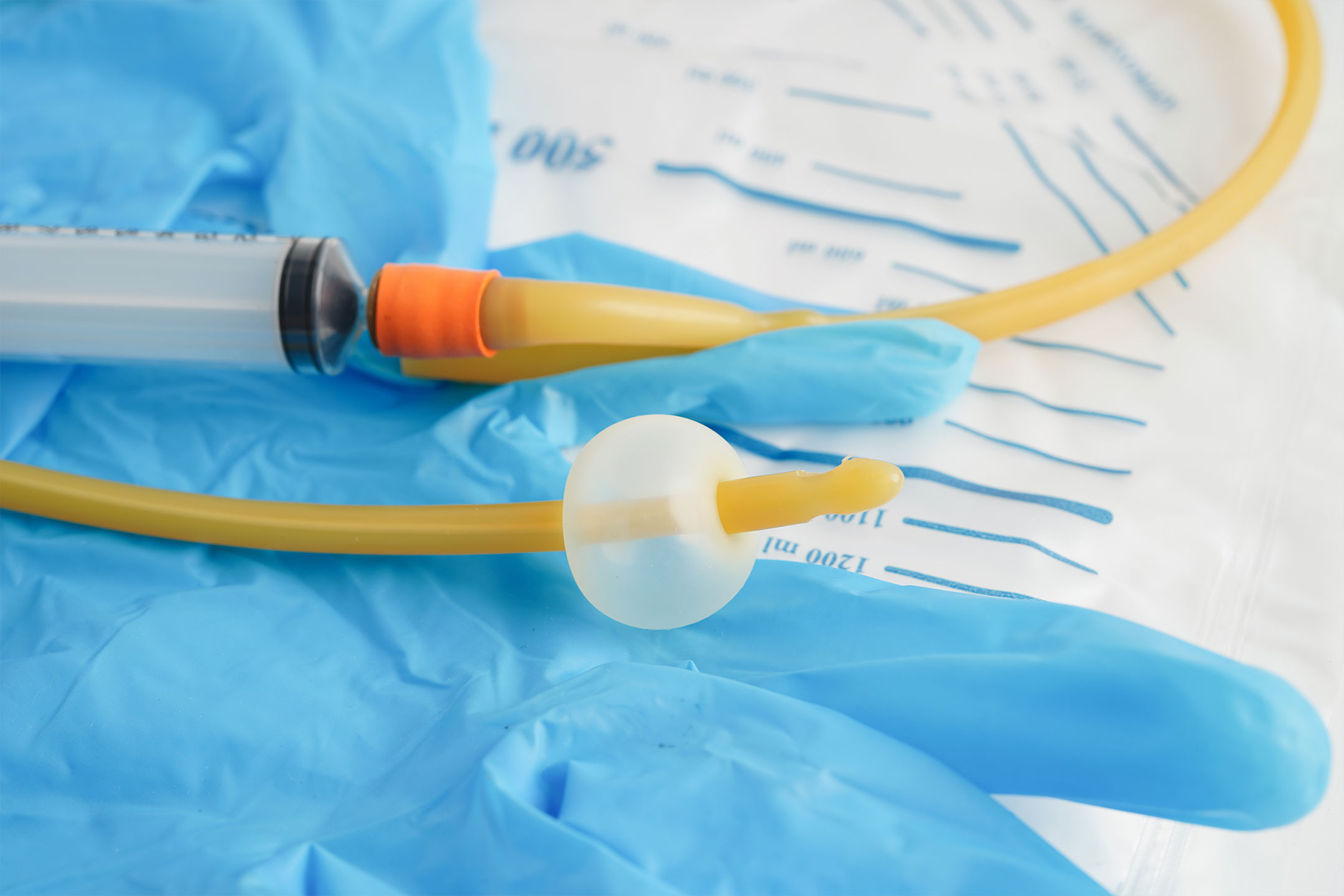
A catheter is usually placed temporarily after the operation to drain urine while the area starts to settle. Your clinician will explain how long this is likely to be needed based on your individual situation.
Recovery varies between patients, but bladder neck incision is generally a smaller operation than procedures that remove larger amounts of prostate tissue. You will be given clear advice about rest, fluids, activity and when to return to normal routines.
It is common to have some stinging when passing urine, urinary frequency, urgency or a small amount of blood in the urine while healing takes place. These symptoms usually improve as recovery progresses.
Your clinician will confirm your aftercare instructions, including catheter care if needed, activity restrictions, medicines and follow-up arrangements.
Follow-up allows your clinician to check your recovery, review your urine flow and discuss whether symptoms have improved. You may need a flow test or bladder scan after treatment to assess how well the bladder is emptying.
If symptoms persist or return, further assessment may be needed to understand whether obstruction, bladder function or another cause is contributing.
Benefits of bladder neck incision
Bladder neck incision can be a useful treatment for carefully selected men with bladder outlet obstruction.
A targeted operation
The procedure focuses on opening the bladder neck rather than removing a larger amount of prostate tissue. This can be suitable for selected men with a tight bladder neck or smaller prostate.
No external cuts
Bladder neck incision is carried out through the urethra, so there are no cuts in the skin. This can support a more straightforward recovery than more extensive prostate surgery for suitable patients.
Improved urine flow
By reducing resistance at the bladder outlet, the procedure may improve urine flow and reduce symptoms such as hesitancy, straining and incomplete emptying.
Lower risk of ejaculation changes than some larger operations
Bladder neck incision may be less likely to affect ejaculation than some larger prostate procedures. However, ejaculation changes can still occur and no procedure can guarantee preservation of ejaculation.
Risks and side effects
Bladder neck incision is minimally invasive, but it is still an operation and can cause side effects. It is not suitable for everyone.
Possible risks and side effects may include:
- Temporary stinging or discomfort when passing urine
- Blood in the urine during recovery
- Urinary urgency or frequency
- Urinary tract infection
- Temporary difficulty passing urine
- Need for a catheter for a short period
- Ejaculation changes, including reduced or dry ejaculation
- Symptoms not improving as expected
- Narrowing or scarring that may need further treatment
- Need for another prostate or bladder outlet procedure in the future
- Anaesthetic-related risks
You should seek medical advice if you develop a high temperature, worsening pain, heavy bleeding, difficulty passing urine, inability to pass urine, or feel very unwell after the procedure.
Your clinician will explain the potential risks, benefits and limitations before treatment goes ahead.
Private bladder neck incision near Newcastle
Tyneside Urology Partners provides private bladder neck incision near Newcastle from its clinic in Team Valley, Tyne & Wear. The clinic serves patients from Newcastle, Gateshead, Tyneside and across the North East.
A consultation gives you the opportunity to discuss urinary symptoms, flow problems, prostate concerns and treatment options in a specialist setting. Your clinician will explain whether bladder neck incision may be suitable and whether further assessment is needed before any procedure is agreed.

Frequently asked questions
- How is bladder neck incision different from TURP?
TURP removes prostate tissue to widen the urine channel and is often used for larger prostates. Bladder neck incision makes small cuts to open the bladder neck and is usually considered for selected men with smaller prostates or a tight bladder neck.
- Is bladder neck incision a major operation?
Bladder neck incision is a minimally invasive operation carried out through the urethra, with no external cuts. It is generally a smaller procedure than larger prostate operations, but it still requires proper assessment, anaesthetic and recovery advice.
- Will bladder neck incision affect ejaculation?
Bladder neck incision may be less likely to affect ejaculation than some larger prostate operations, but ejaculation changes can still occur. Your clinician will explain the risks before treatment.
- How quickly will I notice an improvement?
Some men notice an improvement in urine flow after the initial recovery period. Timing varies, especially if there is swelling, catheter use or bladder irritation after the procedure. Your clinician will explain what to expect.
- Will I need a catheter afterwards?
A catheter is usually used for a short period after bladder neck incision to help drain urine while the area begins to heal. The expected catheter plan will be confirmed by your clinician.
- Can symptoms come back after bladder neck incision?
Symptoms can return in some patients, especially if scarring develops, the prostate enlarges further or bladder function changes over time. Follow-up helps check your recovery and whether further treatment is needed.
Book Your Urology Consultation
Urology consultations are available a Tyneside Urology.
Please view the form below to check availability and make your booking.
If further tests or treatments are recommended, these will be explained fully before you decide how to proceed. Should you need ongoing support, follow-up appointments can be arranged with your consultant.
You can book your appointment below or contact us if you would prefer assistance.
Discuss bladder neck incision in Newcastle
If you have a weak urine flow, difficulty starting, straining or symptoms linked to a tight bladder neck or smaller prostate, a specialist consultation can help you understand your options.