Intravesical Therapy in Newcastle
Intravesical therapy involves placing treatment directly into the bladder. It may be considered for selected patients with recurrent urinary tract infections, interstitial cystitis or bladder pain syndrome when symptoms need specialist assessment and other options have not provided enough relief.
Tyneside Urology Partners provides intravesical therapy assessment in Newcastle for patients with recurrent UTIs, bladder pain, bladder irritation or persistent urinary symptoms. Suitability depends on your symptoms, diagnosis, urine results, previous treatments, medical history and a specialist consultation.

What is intravesical therapy?
Intravesical therapy means treatment placed directly into the bladder. The word “intravesical” simply means “inside the bladder”.
For recurrent UTIs, interstitial cystitis and bladder pain syndrome, intravesical therapy may involve placing a liquid treatment into the bladder through a small catheter. The aim is usually to treat or support the bladder lining, reduce irritation or help manage symptoms in carefully selected patients.
The bladder lining acts as a protective barrier. In some bladder conditions, this lining may become irritated or more sensitive. Some intravesical treatments are designed to coat, soothe or support the bladder lining, although response varies between patients.
Intravesical therapy is not suitable for every person with bladder symptoms. Your clinician will first need to understand whether symptoms are linked to infection, bladder pain syndrome, overactive bladder, stones, haematuria, pelvic floor dysfunction or another urological condition.
A treatment plan should be based on careful assessment rather than symptoms alone.

Why intravesical therapy may be recommended
Intravesical therapy may be recommended when recurrent urinary symptoms, bladder pain or bladder irritation are affecting quality of life and further specialist treatment is being considered.
For some patients, symptoms may continue despite lifestyle changes, oral medication, infection prevention measures or previous treatment. Intravesical therapy may then be discussed as one possible option, depending on the diagnosis.
In recurrent UTI care, it may be considered as part of a wider prevention and investigation plan. This may include urine testing, culture results, assessment of bladder emptying, review of previous antibiotics and discussion of non-antibiotic strategies.
For interstitial cystitis or bladder pain syndrome, intravesical therapy may be used as part of symptom management. These conditions can cause bladder discomfort, urinary frequency and urgency, often without a straightforward bacterial infection.
The aim is not to treat every urinary symptom in the same way. Your clinician will discuss whether intravesical therapy is appropriate or whether another test or treatment is likely to be more helpful.
Who intravesical therapy is for
Intravesical therapy may be suitable for selected patients with recurrent UTIs, interstitial cystitis, bladder pain syndrome or persistent bladder irritation. Specialist assessment may be helpful if you:
- Have recurrent urinary tract infections
- Have urinary symptoms that return soon after treatment
- Have had repeated antibiotic courses
- Have persistent bladder discomfort or pain
- Have urinary urgency or frequency linked to bladder irritation
- Have symptoms suggestive of interstitial cystitis or bladder pain syndrome
- Have urine tests that do not always confirm infection
- Have bladder symptoms that affect sleep, work or daily activities
- Have tried other treatments without enough improvement
- Need a clearer diagnosis before planning treatment
- Want to discuss non-surgical bladder treatment options
- Need a structured plan for recurrent bladder symptoms
Intravesical therapy is not needed for every bladder symptom. It may not be appropriate if symptoms are caused by an active infection that needs other treatment, bladder stones, obstruction, cancer-related concerns or another condition requiring a different pathway.
Symptoms intravesical therapy can help assess
Intravesical therapy may be discussed after assessment of recurrent or persistent bladder symptoms. These symptoms can overlap with several urological conditions, so diagnosis is important before treatment.
Recurrent UTIs can cause repeated episodes of burning, urgency, frequency and bladder discomfort. Before intravesical therapy is considered, your clinician may review urine cultures, previous antibiotic use and possible triggers.
Bladder pain syndrome and interstitial cystitis can cause pain, pressure or discomfort felt in the bladder or pelvis. Symptoms may worsen as the bladder fills and may improve after passing urine, although patterns vary.
Some patients need to pass urine very often or feel a sudden urge to go. These symptoms may occur with infection, overactive bladder, bladder pain syndrome or pelvic floor dysfunction.
Burning can be linked to infection, inflammation, bladder irritation or other causes. Urine testing is usually important to help decide whether infection is present.
Some people have bladder symptoms even when standard urine tests are negative or inconsistent. Specialist review can help decide whether further tests, intravesical therapy or another approach is appropriate.
What to expect
Intravesical therapy is carried out as part of a specialist bladder care pathway. Your clinician will explain why it is being considered, what the treatment involves and how it fits into your wider care plan.
You will begin with a consultation to discuss your symptoms, how long they have been present and how they affect daily life. Your clinician may ask about burning, urgency, frequency, bladder pain, night-time urination, visible blood in the urine and previous infections.
They may also ask about previous urine cultures, antibiotic use, menopause-related symptoms, sexual triggers, pelvic pain, bowel symptoms, pelvic floor issues, kidney stones, catheter use and previous bladder investigations.
Assessment may include urine testing, rapid urine culture testing, standard laboratory culture, bladder diary, bladder scan, urine flow test or flexible cystoscopy where appropriate. Not every patient needs every test.
Your clinician will explain whether intravesical therapy is suitable and whether any other condition should be investigated first.
Before intravesical therapy, your clinician will explain what the treatment contains in general terms, how it is given and what the expected pathway involves.
You may be asked to provide a urine sample before treatment. If there is evidence of active infection, treatment may need to be delayed or managed differently.
Your clinician will also review any relevant medical conditions, allergies, previous catheter problems and current medication. They will explain the potential benefits, risks, limitations and alternatives before treatment is agreed.
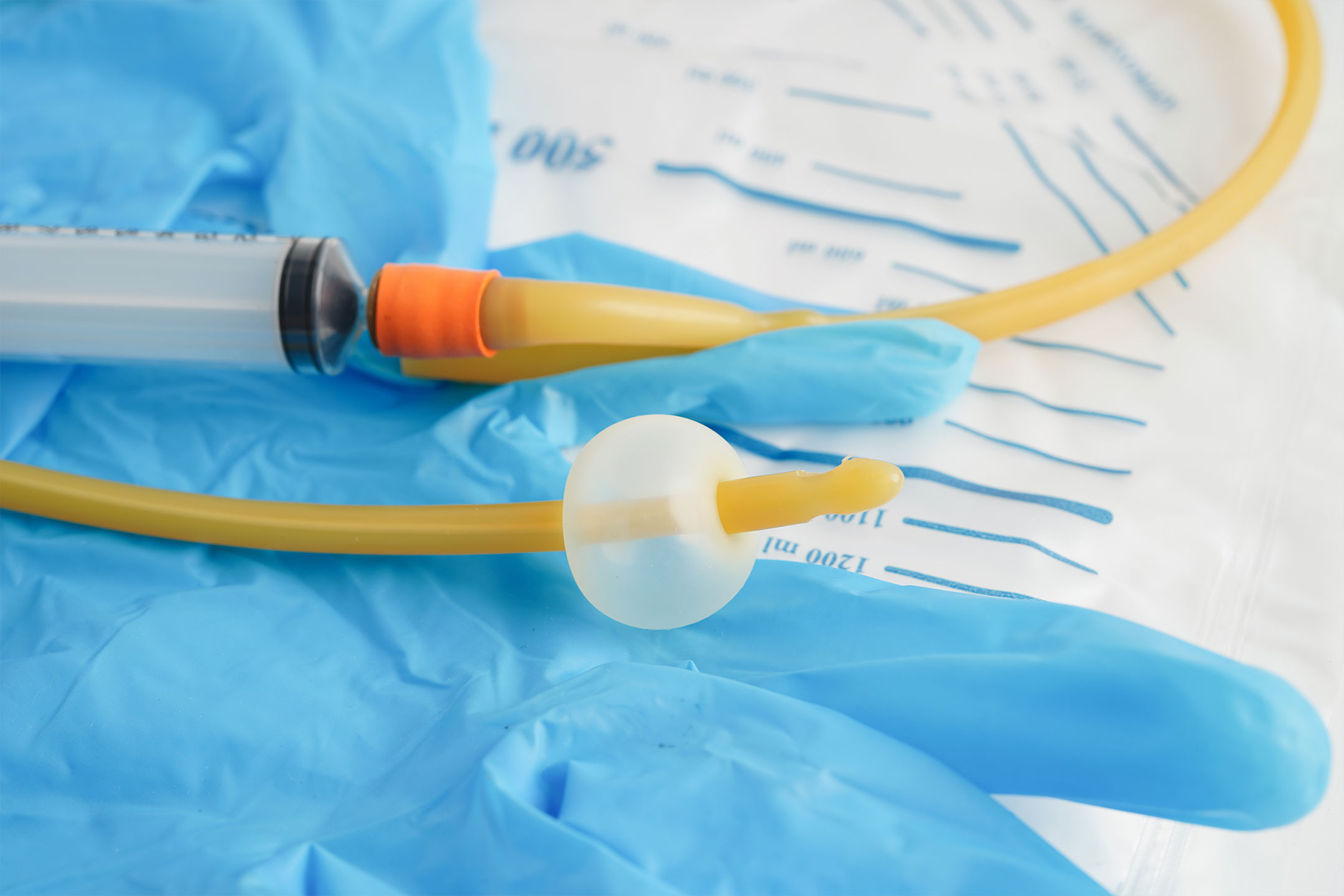
Intravesical therapy is usually given through a small catheter passed into the bladder through the urethra. The urethra is the tube that carries urine out of the body.
Once the catheter is in place, the treatment fluid is placed into the bladder. The catheter may then be removed, depending on the treatment plan.
You may be asked to hold the treatment in the bladder for a period of time before passing urine. The exact timing and number of treatments depend on the treatment used, your diagnosis and the clinic pathway.
After intravesical therapy, you may be able to return to normal activities, depending on how you feel and the advice given by your clinician.
Some people notice temporary burning, urgency, bladder discomfort or mild irritation after catheterisation. These symptoms often settle, but you should contact your clinical team or seek medical advice if symptoms are severe or worsening.
Your clinician will explain what to expect after treatment, how your response will be monitored and when follow-up is needed.
Benefits of intravesical therapy
Intravesical therapy may provide another treatment option for selected patients with recurrent bladder symptoms, particularly when symptoms have not improved enough with other approaches.
Direct bladder treatment
Intravesical therapy places treatment directly into the bladder. This may be useful when symptoms appear to be linked to the bladder lining or local bladder irritation.
May support recurrent UTI care
For some patients with recurrent UTIs, intravesical therapy may be considered as part of a wider prevention plan. This should be based on urine test results, previous infection patterns and specialist assessment.
May help selected patients with bladder pain syndrome
For interstitial cystitis and bladder pain syndrome, intravesical therapy may be one option within a broader symptom management plan. It is not suitable for everyone, and response varies.
Can be part of a structured bladder pathway
Intravesical therapy is usually considered alongside other measures, such as urine testing, bladder diary review, lifestyle advice, medication review, pelvic floor assessment and further bladder investigations where needed.
May reduce repeated trial-and-error treatment
A specialist pathway can help avoid repeated treatment without a clear diagnosis. If infection is not present, your clinician may discuss other causes of symptoms and alternative treatment options.

Risks and side effects
Intravesical therapy is generally considered a local bladder treatment, but it still has possible risks, side effects and limitations. Your clinician will explain these before treatment.
Possible risks and side effects may include:
- Burning or stinging when passing urine
- Temporary bladder discomfort
- Increased urgency or frequency for a short time
- Mild blood in the urine after catheterisation
- Discomfort when the catheter is passed
- Urinary tract infection
- Difficulty passing urine, although this is uncommon
- Allergic or sensitivity reaction to a treatment component
- Symptoms not improving as expected
- Need for repeated treatments
- Need for further investigations if symptoms continue
- Treatment being unsuitable if infection or another cause is found
Intravesical therapy should not be started without an appropriate assessment. If symptoms are caused by a different condition, another treatment may be more suitable.
You should seek urgent medical advice if you are unable to pass urine, have a high temperature, feel shivery or very unwell, have severe pain or notice heavy bleeding.
Alternatives to intravesical therapy
Intravesical therapy is one possible option, but it is not the right approach for every patient. Alternatives depend on the cause of symptoms.
For recurrent UTIs, alternatives or supporting measures may include:
- Urine testing and culture-guided treatment
- Review of antibiotic use
- Non-antibiotic prevention strategies
- UTI vaccine assessment where appropriate
- Menopause-related treatment discussion where relevant
- Assessment for bladder emptying problems
- Investigation for stones or other urological causes
For interstitial cystitis and bladder pain syndrome, alternatives may include:
- Bladder diary and trigger review
- Pain management strategies
- Bladder training
- Pelvic floor rehabilitation
- Oral medication where appropriate
- Flexible cystoscopy if further assessment is needed
- Multidisciplinary support for persistent pelvic pain
Your clinician will explain which options are relevant to your symptoms and diagnosis.


Private intravesical therapy near Newcastle
Tyneside Urology Partners provides private assessment for intravesical therapy near Newcastle from its clinic in Team Valley, Tyne & Wear. The clinic serves patients from Newcastle, Gateshead, Tyneside and across the North East.
A consultation gives you the opportunity to discuss recurrent UTIs, interstitial cystitis, bladder pain syndrome or persistent bladder irritation in a specialist setting. Your clinician can explain whether intravesical therapy may be suitable and whether further testing or alternative treatment should be considered.
Frequently asked questions
- What is intravesical therapy used for?
Intravesical therapy places treatment directly into the bladder. It may be considered for selected patients with recurrent UTIs, interstitial cystitis, bladder pain syndrome or persistent bladder irritation, depending on diagnosis and assessment.
- Is intravesical therapy the same as antibiotics?
No. Intravesical therapy is not the same as taking antibiotic tablets. It involves placing treatment directly into the bladder. If infection is confirmed or strongly suspected, antibiotics may still be needed depending on your results and clinical assessment.
- Does intravesical therapy cure recurrent UTIs?
Intravesical therapy should not be described as a cure. It may be one option within a wider recurrent UTI prevention plan for selected patients. The right approach depends on urine results, infection patterns, risk factors and previous treatments.
- Can intravesical therapy help bladder pain syndrome?
It may help some selected patients with bladder pain syndrome or interstitial cystitis, but response varies. A specialist assessment is needed to decide whether it is appropriate and whether other treatments should be considered.
- Is a catheter needed for intravesical therapy?
Yes, intravesical therapy is usually given through a small catheter passed into the bladder. This allows the treatment fluid to be placed directly into the bladder. Your clinician will explain what to expect before treatment.
- Will I need more than one treatment?
Some intravesical therapy pathways involve repeated treatments, while others may be planned differently. The number and timing of treatments depend on the treatment used, your symptoms, response and local pathway.
- What happens if intravesical therapy does not work?
If symptoms do not improve, your clinician may review the diagnosis, repeat urine testing, consider further bladder investigations or discuss alternative treatments. Persistent symptoms should be reassessed rather than repeatedly treated without review.
- Can I have intravesical therapy in Newcastle?
Tyneside Urology Partners provides private assessment for intravesical therapy near Newcastle. Your clinician can advise whether it may be suitable for recurrent UTIs, interstitial cystitis or bladder pain syndrome.
Book Your Urology Consultation
Urology consultations are available a Tyneside Urology.
Please view the form below to check availability and make your booking.
If further tests or treatments are recommended, these will be explained fully before you decide how to proceed. Should you need ongoing support, follow-up appointments can be arranged with your consultant.
You can book your appointment below or contact us if you would prefer assistance.
Get specialist bladder symptom support in Newcastle
If you have recurrent UTIs, bladder pain, interstitial cystitis or persistent bladder irritation, specialist assessment can help identify the likely cause and guide the next step.