iTind for an Enlarged Prostate in Newcastle
iTind is a minimally invasive treatment for urinary symptoms caused by an enlarged prostate. It uses a small temporary device to gently reshape the prostate channel over several days before being removed, leaving no permanent implant behind.
Tyneside Urology Partners provides iTind treatment in Newcastle for selected men with enlarged prostate symptoms who want to discuss a function-preserving option. Treatment suitability depends on your symptoms, prostate size and shape, bladder function, medical history and a specialist consultation.
What is iTind?
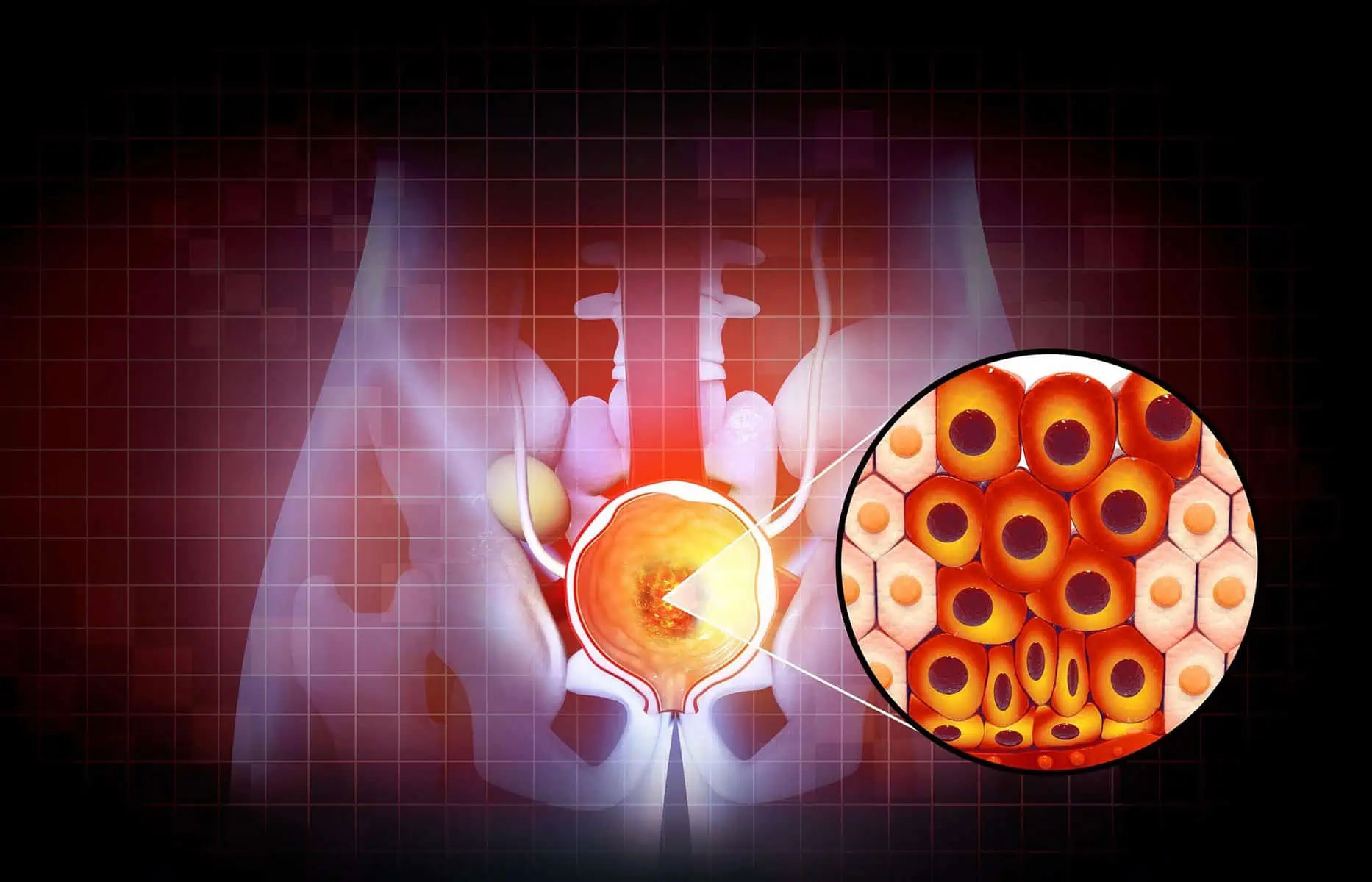
iTind is a temporary implantable nitinol device used to treat lower urinary tract symptoms caused by benign prostatic enlargement. Benign means non-cancerous. The prostate sits below the bladder and surrounds the urethra, which is the tube that carries urine out of the body.
When the prostate enlarges, it can narrow the channel through which urine passes. This can lead to symptoms such as weak flow, hesitancy, straining, urgency, frequency or getting up at night to pass urine.
The iTind device is placed into the prostatic part of the urethra, where it expands and applies controlled pressure to the surrounding tissue. The aim is to create channels that improve the passage of urine without cutting, heating or removing prostate tissue.
The device is then removed after a short period. Manufacturer information states that removal is typically after five to seven days, leaving no permanent implant behind. Your clinician will confirm the exact timing and treatment plan for your situation.
Why iTind may be considered
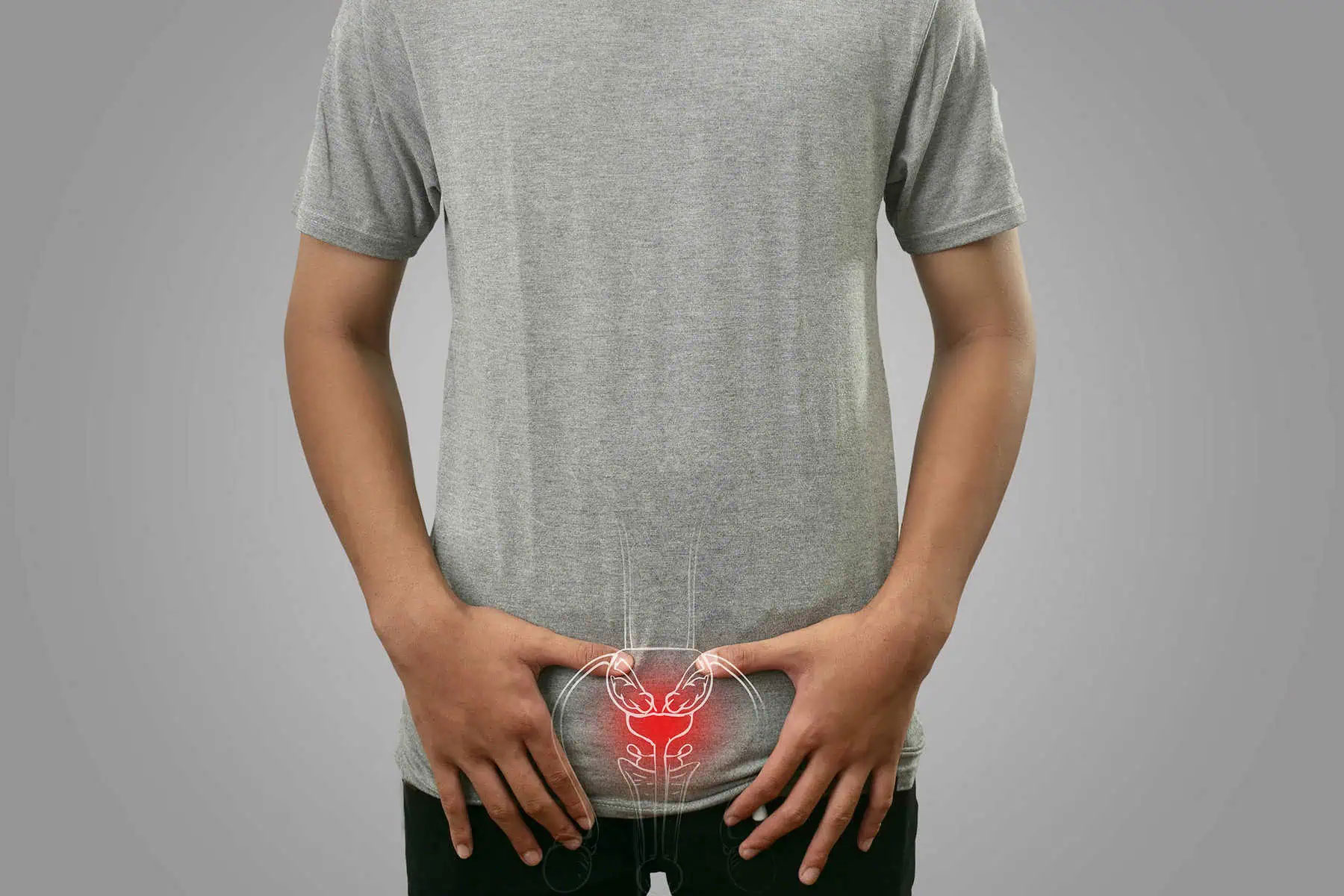
iTind may be considered for men with enlarged prostate symptoms who want to discuss a minimally invasive treatment option. It is designed to improve urinary flow by reshaping the prostate channel, rather than removing tissue.
For some men, preserving sexual and ejaculatory function is an important part of treatment decision-making. iTind is designed with this aim in mind, although no treatment can guarantee preservation of sexual or ejaculatory function.
The purpose of assessment is to check whether iTind is suitable for the size, shape and position of your prostate. Some men may be better suited to other enlarged prostate treatments, depending on their symptoms, anatomy and test results.

Who iTind is for
iTind may be suitable for selected men with urinary symptoms caused by benign prostatic enlargement. Specialist assessment may be helpful if you:
- Have bothersome symptoms from an enlarged prostate
- Have a weak or slow urine flow
- Have difficulty starting urination
- Need to strain to pass urine
- Feel that your bladder does not empty fully
- Wake at night to pass urine
- Want to discuss a minimally invasive treatment option
- Prefer not to have a permanent implant left in place
- Want to avoid prostate tissue removal where possible
- Want to discuss treatment options that aim to preserve sexual and ejaculatory function
iTind is not suitable for everyone. Your clinician will discuss your symptoms, examine you where appropriate and explain whether this treatment is a reasonable option for you.
Common symptoms iTind may help with
iTind may be discussed when urinary symptoms are thought to be caused by an enlarged prostate. These symptoms can overlap with bladder problems, infection or other urological conditions, so assessment is important before treatment is recommended.
A weak or slow stream can happen when the enlarged prostate narrows the urethra. This can make passing urine take longer and may feel frustrating day to day.
Some men find it difficult to start passing urine or need to strain to empty the bladder. These symptoms can be linked to obstruction at the prostate or bladder outlet.
A feeling that the bladder has not emptied fully may happen when urine remains in the bladder after passing urine. This can sometimes contribute to frequency, discomfort or recurrent urinary symptoms.
An enlarged prostate can irritate the bladder or make it work harder to empty. This may lead to needing to pass urine more often or waking at night to use the toilet.
What to expect
iTind treatment is carried out in a clinical setting. The exact pathway will depend on your symptoms, prostate assessment, general health and your clinician’s recommendation.
You will begin with a consultation to discuss your urinary symptoms, how long they have been present and how they affect your daily life. Your clinician will ask about urine flow, urgency, night-time urination, infections, previous treatments and any medicines you are taking.
Tests may include urine testing, a flow test, bladder scan to check emptying, prostate assessment and further investigations where needed. These help confirm whether your symptoms are likely to be caused by benign prostate enlargement and whether iTind is suitable.
Your clinician will explain what iTind involves, what it may help with, what the limitations are and what side effects can occur.
If iTind is suitable, the folded temporary device is placed into the prostatic urethra through the natural water passage. It is positioned so it can expand and apply controlled pressure to the prostate tissue.
The procedure is designed to be minimally invasive and does not involve external cuts. The anaesthetic or pain-control plan will be confirmed by your clinician before treatment.
Once the device is in position, you will be given clear advice about what to expect while it remains in place and what symptoms to report.
The device remains in place for several days while it gently reshapes the prostate channel. Some men notice urinary discomfort, urgency, frequency, stinging or pelvic discomfort during this period.
You will be given instructions on activity, fluids, medicines and when to contact the clinic. The timing of removal will be confirmed as part of your treatment plan.
The iTind device is removed after the planned treatment period. There is no permanent implant left behind.
Symptoms may not improve immediately. Where improvement occurs, it can develop as the prostate channel settles after the device has been removed. Your clinician will explain what is realistic for your symptoms and how recovery will be monitored.
Benefits of iTind
iTind may offer a minimally invasive treatment option for selected men with enlarged prostate symptoms.
No permanent implant
The iTind device is temporary and is removed after treatment. This means no permanent implant is left in the body.
No prostate tissue removed
iTind works by reshaping the prostate channel rather than cutting away or removing prostate tissue.
Designed to preserve sexual function
iTind aims to improve urinary symptoms while preserving sexual and ejaculatory function. However, individual results vary and this cannot be guaranteed.
Minimally invasive treatment
The treatment is carried out through the urethra, with no external cuts. For suitable patients, this may support a shorter recovery than some larger prostate operations.


Risks and side effects
iTind is minimally invasive, but it can still cause side effects and is not suitable for everyone.
Possible risks and side effects may include:
- Discomfort while the device is in place
- Pelvic pain or pressure
- Stinging or burning when passing urine
- Urinary urgency or frequency
- Blood in the urine
- Urinary tract infection
- Temporary difficulty passing urine
- Need for a catheter in some cases
- Symptoms not improving as expected
- Need for further prostate treatment in the future
You should seek medical advice if you develop a high temperature, worsening pain, heavy bleeding, inability to pass urine, or feel very unwell after treatment.
Your clinician will explain the potential risks, benefits and limitations before treatment goes ahead.
Private iTind treatment near Newcastle
Tyneside Urology Partners provides private iTind treatment near Newcastle from its clinic in Team Valley, Tyne & Wear. The clinic serves patients from Newcastle, Gateshead, Tyneside and across the North East.
A consultation gives you the opportunity to discuss enlarged prostate symptoms, prostate assessment and treatment options in a specialist setting. Your clinician will explain whether iTind may be suitable and whether further assessment is needed before any procedure is agreed.

Frequently asked questions
- How long does the iTind device stay in?
The device is temporary and is removed after a short treatment period. Manufacturer information states that this is typically five to seven days. Your clinician will confirm the exact timing for you.
- Is anything left in my body afterwards?
No permanent implant is left behind after iTind treatment. The temporary device is removed once the treatment period is complete.
- Does iTind remove prostate tissue?
No. iTind is designed to reshape the prostate channel without removing prostate tissue, heating tissue or leaving a permanent implant.
- Will iTind affect my sex life?
iTind aims to preserve sexual and ejaculatory function, but individual results vary and no treatment can guarantee this. Your clinician will explain the risks and what is realistic for your situation.
- Is the device uncomfortable while it is in place?
Some men notice urinary discomfort, urgency, frequency, pelvic pressure or stinging while the device is in place. Your clinician will explain what to expect and how symptoms can be managed.
- Will I need a catheter while the device is in place?
Many men do not need a catheter while the iTind device is in place, but this depends on your symptoms, bladder emptying and clinical situation. Your clinician will confirm what to expect before treatment.
- How quickly will my symptoms improve?
Some men notice improvement after the device is removed and the prostate channel settles. Timing varies between patients, and benefit may develop over the following weeks. Your clinician will explain what is realistic for your symptoms.
Book Your Urology Consultation
Urology consultations are available a Tyneside Urology.
Please view the form below to check availability and make your booking.
If further tests or treatments are recommended, these will be explained fully before you decide how to proceed. Should you need ongoing support, follow-up appointments can be arranged with your consultant.
You can book your appointment below or contact us if you would prefer assistance.
Find out ff iTind is right for you
If you have urinary symptoms from an enlarged prostate and want to discuss a temporary, function-preserving treatment option, a specialist consultation can help you understand whether iTind may be suitable.