Optilume Urethral Stricture Procedure in Newcastle
Optilume is a minimally invasive treatment for selected recurrent urethral strictures. It uses a drug-coated balloon to widen the narrowed area of the urethra and deliver medicine into the urethral wall to help reduce the chance of the stricture returning.
Tyneside Urology Partners provides Optilume urethral stricture consultations in Newcastle for men with recurrent narrowing of the urethra, weak flow or symptoms that have returned after previous treatment. Treatment suitability depends on the position, length and severity of the stricture, previous procedures, symptoms, medical history and a specialist consultation.
What is Optilume?
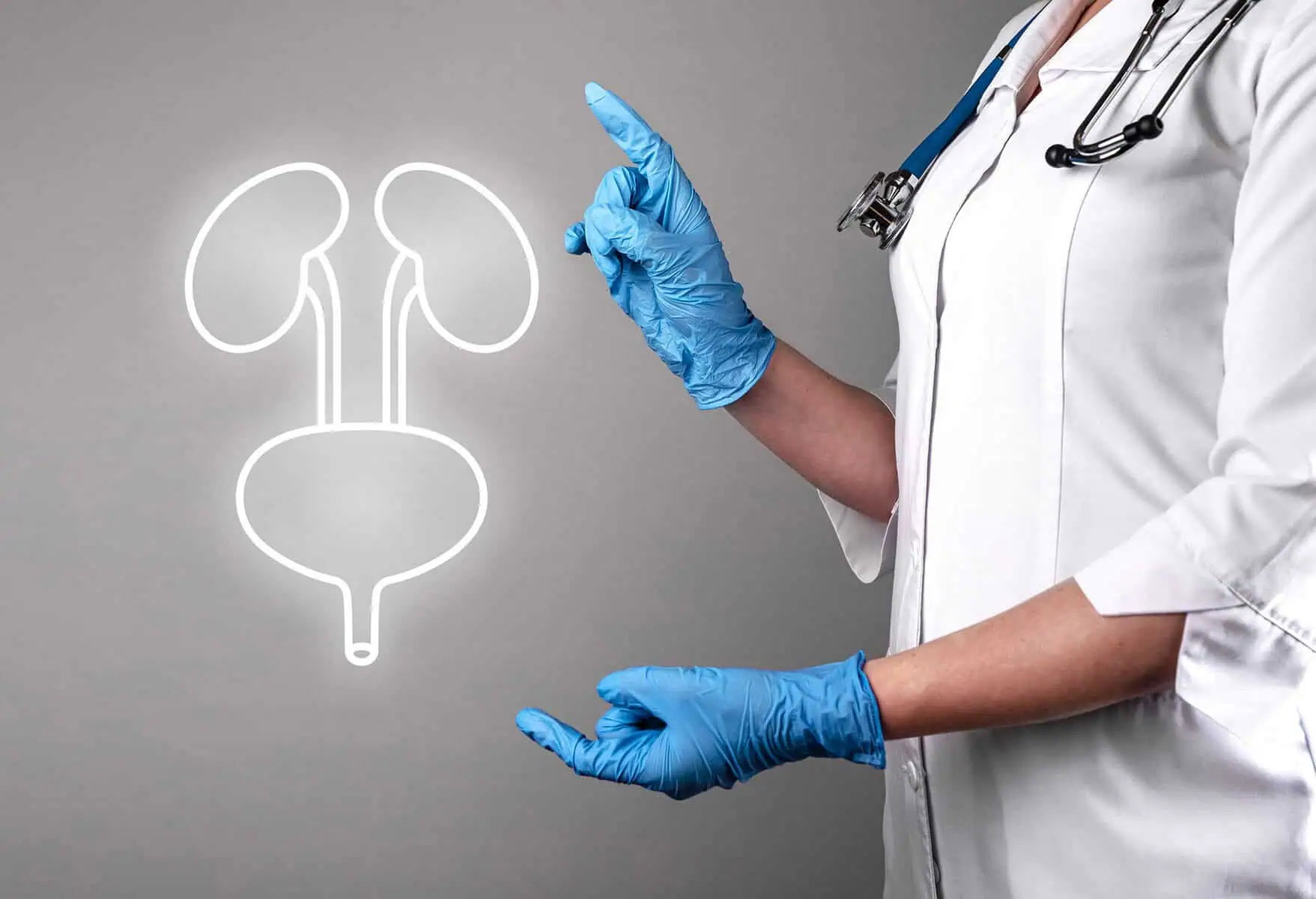
Optilume is a drug-coated balloon used to treat narrowing of the urethra, known as a urethral stricture. The urethra is the tube that carries urine from the bladder out of the body.
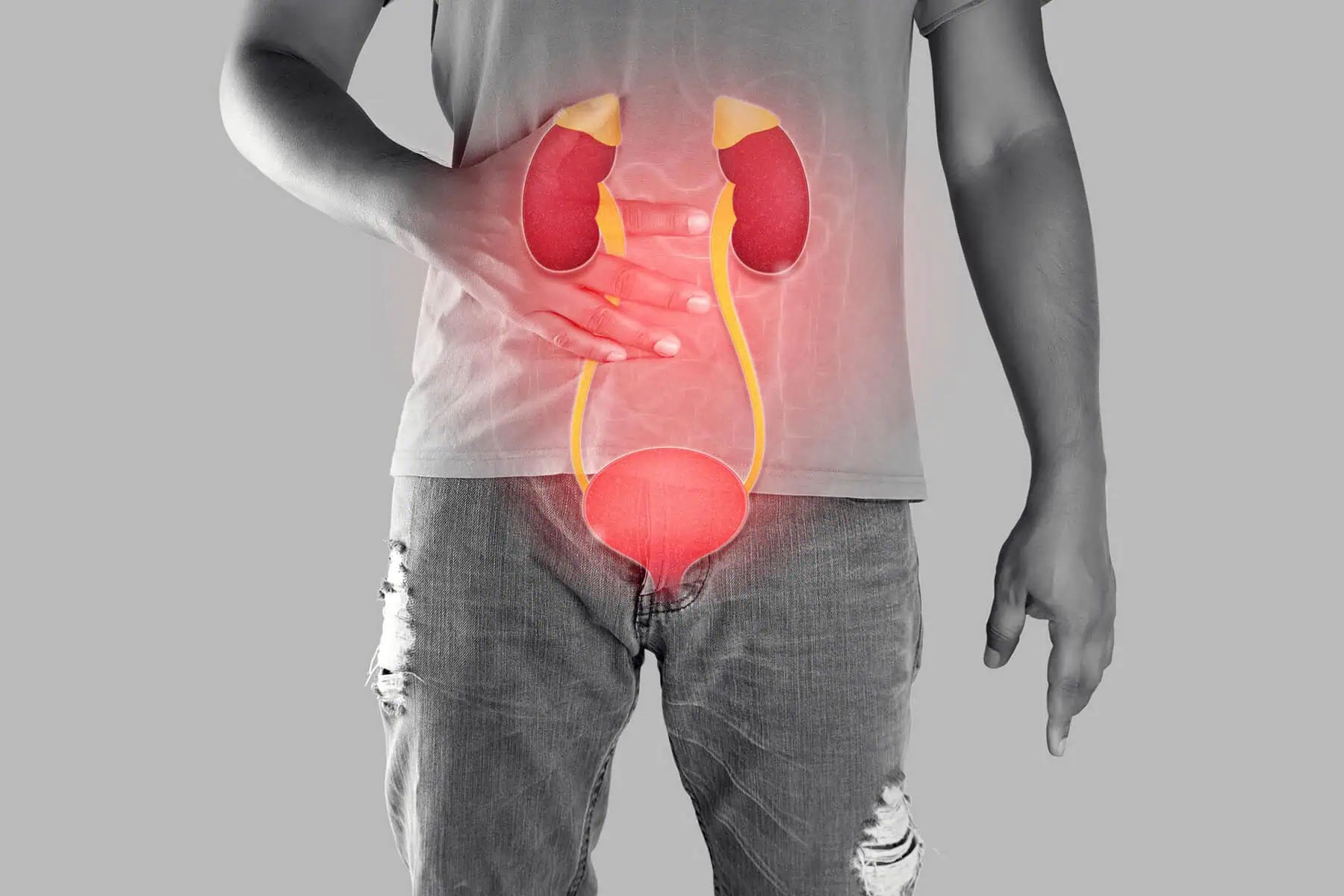
A urethral stricture usually forms because of scar tissue in the urethral wall. This scar tissue narrows the urine channel and can cause symptoms such as weak flow, spraying, straining, incomplete emptying or recurrent urinary infections.
Traditional treatments such as dilation or internal urethrotomy can widen or cut the narrowed area, but strictures can return as the urethra heals and scar tissue reforms. Optilume is designed to widen the narrowing and deliver a medicine directly into the urethral wall at the same time.
The balloon is coated with paclitaxel, a medicine that helps slow the cell activity involved in scar tissue formation. The aim is to keep the urethra open for longer than simple stretching alone, although results vary and the treatment is suitable only for selected strictures.
Why Optilume may be considered
Optilume may be considered when a urethral stricture has returned after previous treatment, such as dilation or an internal cut. It can provide a less invasive option for selected men who are not ready for, or do not wish to proceed straight to, major reconstructive surgery.
It sits between repeated simple endoscopic treatments and urethroplasty. Urethroplasty is reconstructive surgery to repair the narrowed part of the urethra and can be the most durable option for some strictures, but it is a larger operation.
Optilume does not remove the need for careful assessment. Your clinician will need to confirm where the stricture is, how long it is, how tight it is and whether the surrounding urethra is suitable for treatment.
Who Optilume is for
Optilume may be suitable for selected men with recurrent urethral stricture where specialist assessment suggests a drug-coated balloon procedure is appropriate. Specialist assessment may be helpful if you:
- Have a recurrent urethral stricture
- Have had previous urethral dilation
- Have had a previous internal urethrotomy
- Have a weak or slow urine flow
- Notice spraying or splitting of the urine stream
- Need to strain to pass urine
- Feel that your bladder does not empty fully
- Have recurrent urinary symptoms linked to a stricture
- Want to discuss a minimally invasive option
- Want to understand how Optilume compares with urethroplasty
Optilume is not suitable for every stricture. Your clinician will discuss your symptoms, examine you where appropriate and explain whether this treatment is a reasonable option for you.
Symptoms Optilume can help treat
Optilume may be discussed when symptoms are caused by a urethral stricture that has narrowed the urine channel. These symptoms can overlap with prostate or bladder problems, so assessment is important before treatment is recommended.
A stricture can narrow the urethra and reduce the force of the urine stream. Some men notice that passing urine takes longer or feels more difficult than before.
When the urethra is narrowed, urine may spray, split or pass in an irregular stream. This can be frustrating and may affect confidence when using the toilet.
Some men need to strain to start or maintain urination. Others find there is a delay before urine begins to pass.
A urethral stricture can make it harder for the bladder to empty fully. This can cause discomfort, repeated trips to the toilet or a feeling that urine remains after passing urine.
What to expect
The Optilume procedure is carried out in a clinical setting. The exact pathway will depend on your symptoms, stricture findings, previous treatments and your clinician’s recommendation.
You will begin with a consultation to discuss your urinary symptoms, previous stricture treatments and how symptoms affect daily life. Your clinician will ask about urine flow, infections, pain, bleeding, previous catheter use, surgery, injury and any previous urethral procedures.
Tests may include urine testing, a flow test, bladder scan to check emptying and direct assessment of the urethra where needed. Imaging or cystoscopy may be recommended to confirm the stricture’s position and length.
Your clinician will explain what Optilume involves, what it may help with, what the limitations are and what side effects can occur.
If Optilume is suitable, the drug-coated balloon is passed into the urethra and positioned across the narrowed area. The balloon is then inflated to widen the stricture and deliver the medicine into the urethral wall.
The balloon is removed after treatment. No permanent implant is left behind.
The anaesthetic or pain-control plan will be confirmed by your clinician before treatment. The procedure is minimally invasive and does not involve an external cut.
A catheter is usually used for a short period after the procedure to help drain urine while the urethra settles. Your clinician will confirm how long this is expected to be needed.
You may notice stinging when passing urine, a small amount of blood in the urine or temporary urinary discomfort after treatment. These symptoms often improve as healing progresses.
Your clinician will confirm catheter care, activity advice, medicines, follow-up arrangements and when you can return to normal routines.
Follow-up allows your clinician to review your urine flow, symptoms and recovery. You may need a flow test or bladder scan to check how well you are emptying.
If symptoms return, further assessment may be needed to understand whether the stricture has narrowed again. Your clinician will discuss whether further treatment or reconstructive surgery should be considered.
Benefits of Optilume
Optilume may offer a minimally invasive option for selected men with recurrent urethral strictures.
Treats the narrowing and the healing response
Optilume widens the narrowed section of urethra and delivers medicine into the urethral wall. The aim is to reduce the scarring process that can cause strictures to return.
Minimally invasive treatment
The procedure is performed through the urethra using a balloon. It does not involve an external incision or open reconstructive surgery.
May be a middle option
For selected men, Optilume may sit between repeated dilation and urethroplasty. It can be considered when a less invasive option is appropriate, while recognising that urethroplasty may still be the more durable option in some cases.
Day-case style procedure for many patients
Optilume is often planned as a day-case style procedure, depending on your clinical situation and local arrangements. Your clinician will confirm what to expect before treatment.
Risks and side effects
Optilume is minimally invasive, but it can still cause side effects and is not suitable for everyone.
Possible risks and side effects may include:
- Stinging or burning when passing urine
- Blood in the urine
- Urinary discomfort
- Urinary tract infection
- Temporary difficulty passing urine
- Need for a catheter after treatment
- Catheter discomfort
- Symptoms not improving as expected
- Stricture recurrence
- Need for further dilation, Optilume treatment or urethroplasty
- Irritation or discomfort in the urethra
- Reaction or side effects related to the medicine on the balloon, although this is uncommon
You should seek medical advice if you develop a high temperature, worsening pain, heavy bleeding, inability to pass urine, catheter blockage, or feel very unwell after treatment.
Your clinician will explain the potential risks, benefits and limitations before treatment goes ahead.
Optilume and recurrent urethral strictures
Recurrent urethral strictures can be difficult to manage because scar tissue can return after treatment. Repeated stretching or internal cutting may provide short-term relief but does not always give a lasting result.
Optilume is designed to address this problem by combining dilation with local delivery of medicine to the urethral wall. The aim is to reduce the scarring response that can lead to recurrence.
Published clinical studies have reported that Optilume can reduce the need for repeat treatment in selected men with recurrent anterior urethral strictures. Your clinician will explain what the evidence means for your situation and whether the stricture features match the group of patients most likely to benefit.
Private Optilume urethral stricture treatment near Newcastle
Tyneside Urology Partners provides private Optilume urethral stricture consultations near Newcastle from its clinic in Team Valley, Tyne & Wear. The clinic serves patients from Newcastle, Gateshead, Tyneside and across the North East.
A consultation gives you the opportunity to discuss recurrent stricture symptoms, previous treatments and whether Optilume may be suitable. Your clinician will explain the next steps and whether further investigation is needed before any procedure is agreed.

Frequently asked questions
- Is Optilume an operation?
Optilume is a minimally invasive procedure rather than open reconstructive surgery. The balloon is passed through the urethra to treat the narrowed area, with no external cut.
- How is Optilume different from normal dilation?
Standard dilation stretches the narrowed section of urethra. Optilume also delivers medicine into the urethral wall, with the aim of reducing the scar tissue response that can cause the stricture to return.
- Is Optilume suitable for every urethral stricture?
No. Optilume is used for selected strictures only, often recurrent strictures in the anterior urethra. Your clinician will confirm whether it is suitable based on the position, length and features of the narrowing.
- Will I need a catheter after Optilume?
A catheter is usually used briefly after the procedure. Your clinician will confirm how long it is expected to stay in place and how to look after it.
- What is recovery like after Optilume?
Recovery varies. Some men return to normal activities quickly, while others need a short period of rest. You may have temporary stinging, bleeding or urinary discomfort. Your clinician will give you specific aftercare advice.
- Can I still have urethroplasty later if needed?
In many cases, urethroplasty can still be considered if the stricture returns or if Optilume is not suitable. Your clinician will explain how Optilume fits within your longer-term treatment options.
Book Your Urology Consultation
Urology consultations are available a Tyneside Urology.
Please view the form below to check availability and make your booking.
If further tests or treatments are recommended, these will be explained fully before you decide how to proceed. Should you need ongoing support, follow-up appointments can be arranged with your consultant.
You can book your appointment below or contact us if you would prefer assistance.
Ask whether Optilume is right for you
If you have a urethral stricture that has returned after previous treatment, Optilume offers a minimally invasive option without major reconstructive surgery.