Pelvic Floor Rehabilitation in Newcastle
Pelvic floor rehabilitation can help people improve control, strength and coordination of the pelvic floor muscles. It may be recommended for urinary leakage, urgency, pelvic floor dysfunction or bladder symptoms linked to weak, tight or poorly coordinated pelvic floor muscles.
Tyneside Urology Partners provides specialist assessment for pelvic floor and urinary symptoms in Newcastle. Pelvic floor rehabilitation may form part of a wider treatment plan, depending on your symptoms, examination findings, test results, medical history and specialist consultation.
What is pelvic floor rehabilitation?
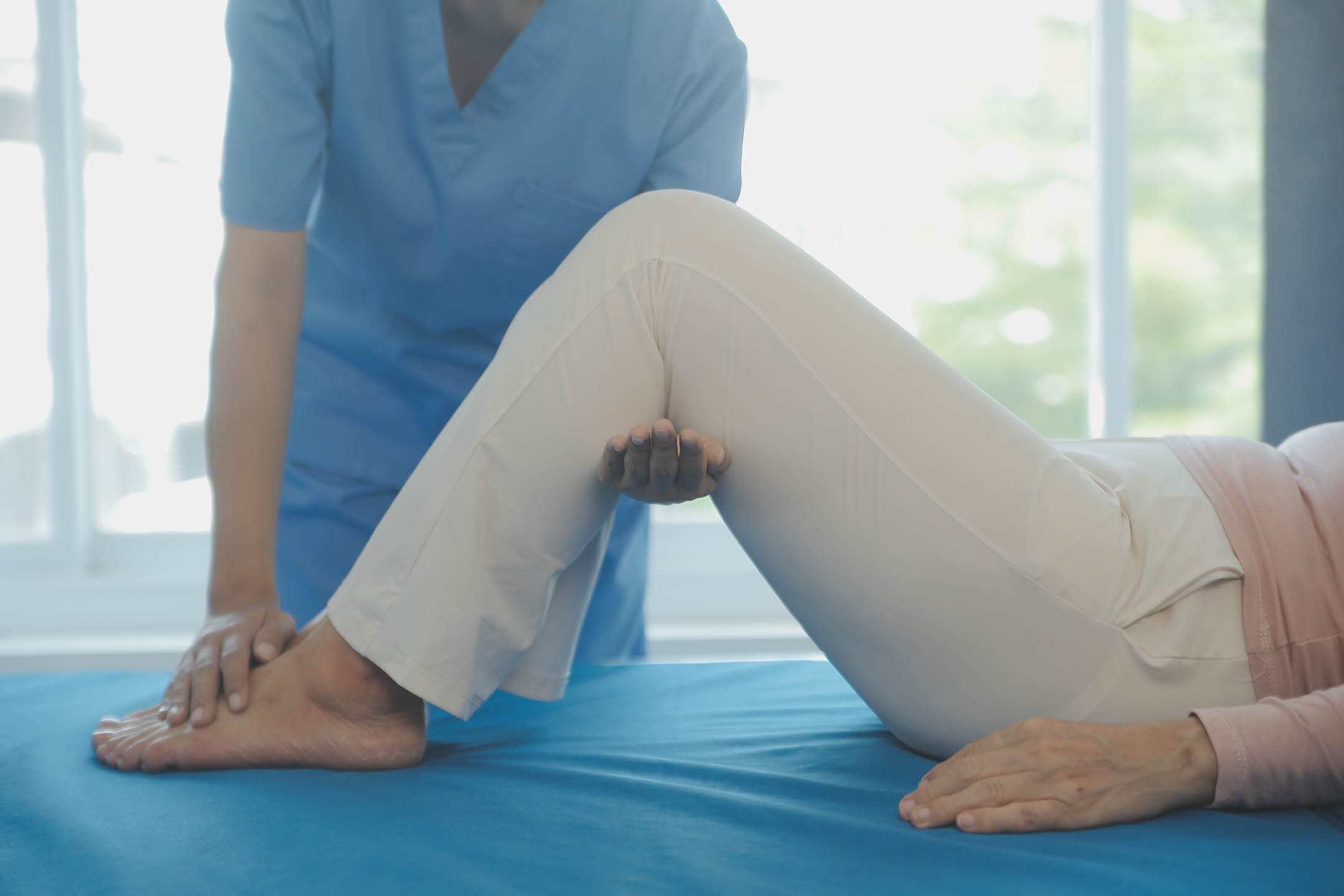
Pelvic floor rehabilitation is a structured approach to improving how the pelvic floor muscles work. The pelvic floor is a group of muscles that supports the bladder, bowel and pelvic organs. These muscles also help with bladder control, bowel control and sexual function.
Pelvic floor symptoms can happen when the muscles are weak, overactive, tense or not coordinating properly. This can contribute to urinary leakage, urgency, frequency, pelvic discomfort or difficulty emptying the bladder.
Rehabilitation usually involves guided pelvic floor exercises, education, bladder training and practical strategies to improve symptom control. In some cases, it may involve specialist assessment, monitoring or additional treatments.
Pelvic floor rehabilitation is not a single fixed treatment. The right approach depends on the cause of symptoms, whether the pelvic floor is weak or overactive and whether there are other urological or gynaecological factors involved.
Why pelvic floor rehabilitation may be recommended
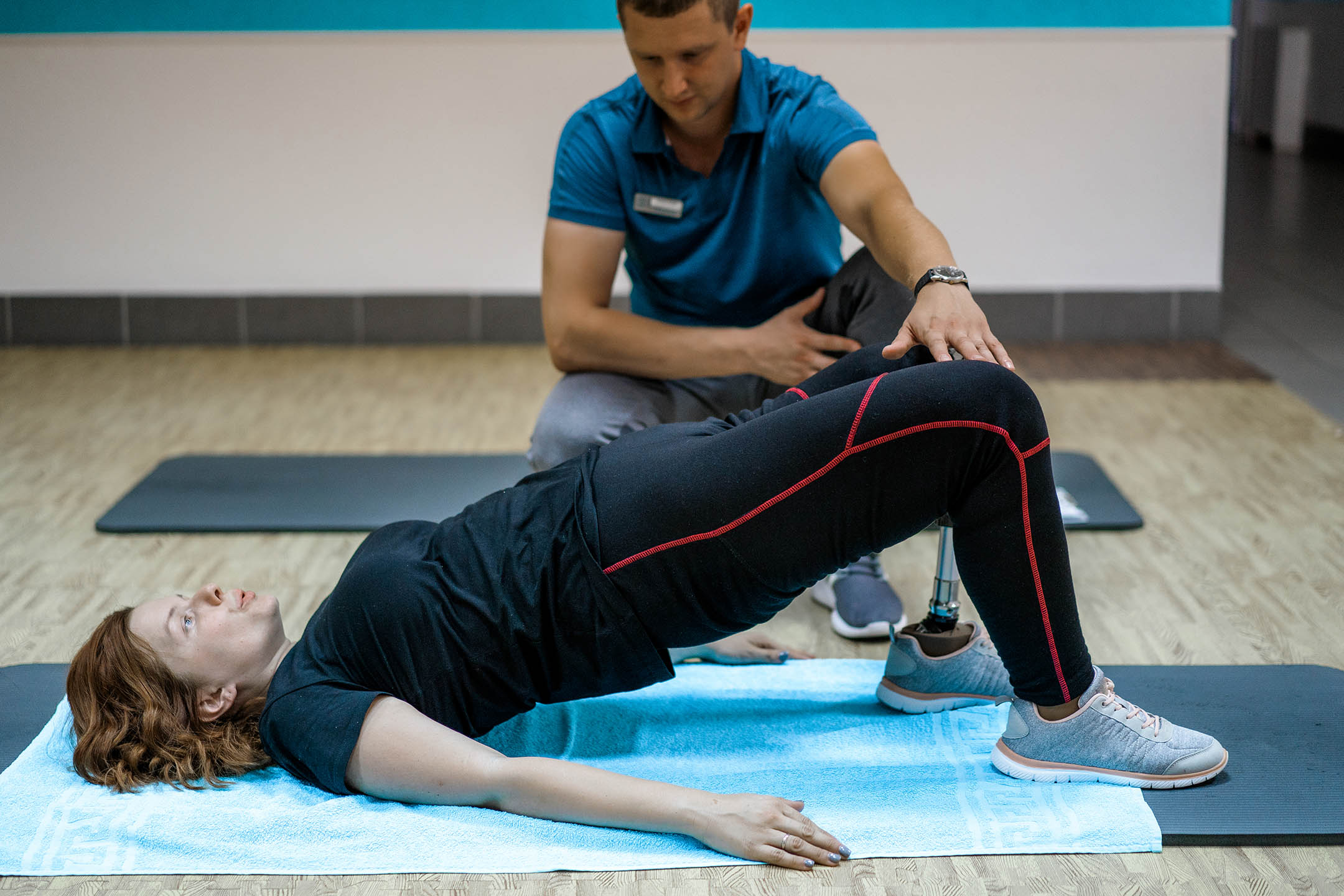
Pelvic floor rehabilitation may be recommended when urinary symptoms are linked to pelvic floor muscle weakness, poor coordination or pelvic floor dysfunction. It can be used for both men and women, although the cause of symptoms and treatment plan may differ.
For some people, pelvic floor muscles need strengthening. For others, the muscles may be too tense or overactive and need relaxation, coordination and symptom management strategies. This is why assessment is important before starting exercises.
Pelvic floor rehabilitation may be considered for urinary incontinence, urgency, overactive bladder symptoms, pelvic floor dysfunction or bladder symptoms after surgery. It may also be used alongside other urology treatments, depending on the diagnosis.
The aim is to support better bladder control and improve confidence in day-to-day activities. Outcomes vary, and rehabilitation works best when the plan is tailored to the individual.
Who pelvic floor rehabilitation is for
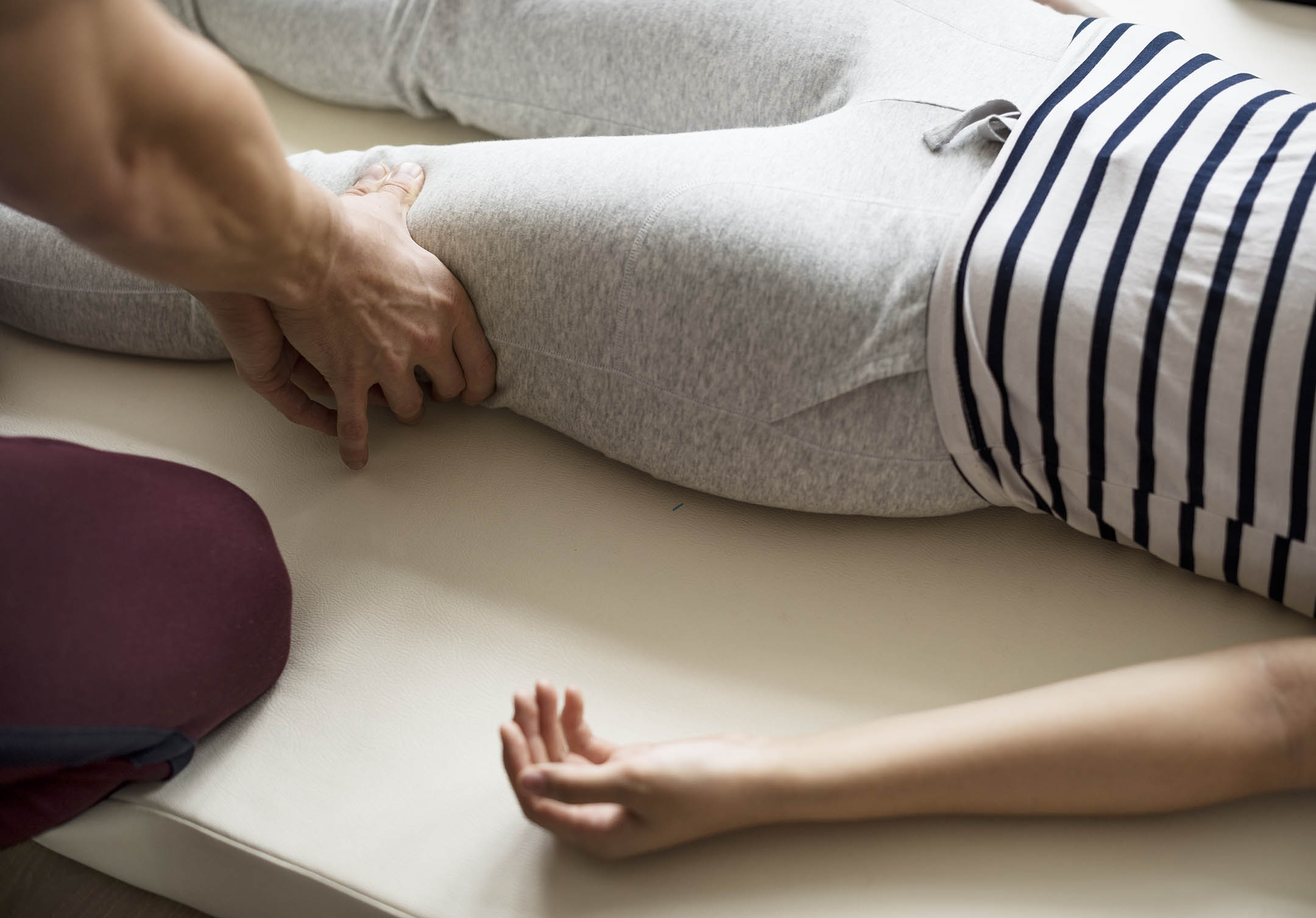
Pelvic floor rehabilitation may be suitable for people with urinary or pelvic symptoms where the pelvic floor muscles may be contributing. Specialist assessment may be helpful if you:
- Leak urine when coughing, sneezing, laughing or exercising
- Have sudden urges to pass urine
- Need to pass urine more often than usual
- Wake at night to pass urine
- Have bladder symptoms linked to pelvic floor dysfunction
- Have difficulty controlling bladder leakage
- Have symptoms after prostate surgery
- Have urinary symptoms after childbirth or menopause
- Have pelvic floor muscle weakness
- Have pelvic floor tightness or discomfort
- Want guidance on doing pelvic floor exercises correctly
- Have tried pelvic floor exercises without clear improvement
- Need support alongside other continence or bladder treatments
Pelvic floor rehabilitation is not suitable for every urinary symptom. Some symptoms may need tests to exclude infection, bladder problems, prostate enlargement, urethral stricture, stones or other urological conditions.
Symptoms pelvic floor rehabilitation can help assess
Pelvic floor rehabilitation may be considered when symptoms suggest pelvic floor weakness, overactivity or poor coordination. These symptoms can overlap with other urological conditions, so careful assessment is important.
Urine leakage can happen during coughing, sneezing, lifting, exercise or sudden movement. This is often called stress urinary incontinence. Pelvic floor rehabilitation may help selected patients improve muscle support and bladder control.
Urgency means a sudden need to pass urine that can be difficult to delay. This can occur with overactive bladder, bladder irritation or pelvic floor dysfunction. Rehabilitation may include bladder training and strategies to reduce urgency.
Some people pass urine more often than expected during the day. Frequency may be linked to fluid intake, bladder sensitivity, infection, overactive bladder or other causes. Assessment helps identify whether pelvic floor rehabilitation is likely to help.
Some men experience urinary leakage after prostate surgery or prostate cancer treatment. Pelvic floor rehabilitation may be recommended as part of recovery and continence support, depending on the type of treatment and individual symptoms.
Pelvic floor muscles can sometimes become tense or overactive. This may contribute to pelvic discomfort, urinary urgency or difficulty relaxing to pass urine. In these cases, rehabilitation may focus on relaxation and coordination rather than strengthening alone.
What to expect
Pelvic floor rehabilitation usually begins with assessment. Your clinician will discuss your symptoms, how long they have been present and how they affect everyday life.
You will begin with a consultation to understand your urinary and pelvic symptoms. Your clinician may ask about leakage, urgency, frequency, night-time urination, bladder emptying, previous infections, childbirth history, menopause-related symptoms, prostate treatment, pelvic surgery and current medication.
They may also ask about fluid intake, caffeine, bowel habits, exercise, sexual symptoms and any pain or discomfort. These details can help identify possible contributing factors.
Depending on your symptoms, assessment may include a urine test, bladder diary, bladder scan, urine flow test, physical examination or urodynamic testing. Not every patient needs every test.
Your clinician will explain whether pelvic floor rehabilitation is likely to be appropriate and whether any other investigations should be considered first.
If pelvic floor rehabilitation is recommended, your plan may include education about the pelvic floor, bladder habits and how to use the muscles correctly.
Some people need strengthening exercises. Others need relaxation, breathing techniques or coordination work. Doing the wrong type of exercise can sometimes be unhelpful, particularly if the pelvic floor is already overactive.
Your clinician will discuss what is appropriate for your symptoms and whether support from a specialist pelvic floor physiotherapist or continence practitioner is recommended.
Pelvic floor rehabilitation may include guided exercises, bladder training, lifestyle advice and symptom monitoring. The content of the programme depends on your diagnosis and goals.
Rehabilitation may involve:
- Learning how to correctly contract and relax the pelvic floor
- Exercises to improve pelvic floor strength and endurance
- Bladder training for urgency and frequency
- Advice on fluid intake and bladder irritants
- Strategies for leakage during activity
- Relaxation techniques for pelvic floor tightness
- Support after prostate or pelvic surgery
- Review of progress and adjustment of exercises
Some patients may benefit from additional treatments or devices, depending on symptoms and availability. Your clinician will discuss options, evidence, limitations and alternatives before recommending any treatment.
Pelvic floor rehabilitation usually requires regular practice. Improvements, where they occur, are often gradual and depend on the underlying cause, consistency of exercises and whether there are other bladder or urological conditions.
Your plan may be adjusted over time if symptoms change or if further investigation suggests another cause.
Benefits of pelvic floor rehabilitation
Pelvic floor rehabilitation can be a useful part of treatment for selected patients with bladder control or pelvic floor symptoms.
Supports bladder control
Pelvic floor rehabilitation may help improve control in selected patients with urinary leakage, especially where muscle weakness or poor coordination is contributing.
Helps patients understand their symptoms
Assessment can help explain how the pelvic floor, bladder habits, fluid intake and other factors may be linked to symptoms. This can make treatment feel clearer and more manageable.
Can be tailored to the individual
A rehabilitation plan can be adapted depending on whether the pelvic floor needs strengthening, relaxation, coordination or a combination of approaches.
May reduce reliance on other treatments
For some patients, pelvic floor rehabilitation may reduce the need for additional treatment. For others, it may be used alongside medication, bladder treatment, urodynamic testing or surgery.
Useful after some urological procedures
Pelvic floor rehabilitation may be recommended after some prostate or continence procedures to support recovery and bladder control, depending on the treatment and individual circumstances.
Risks and side effects
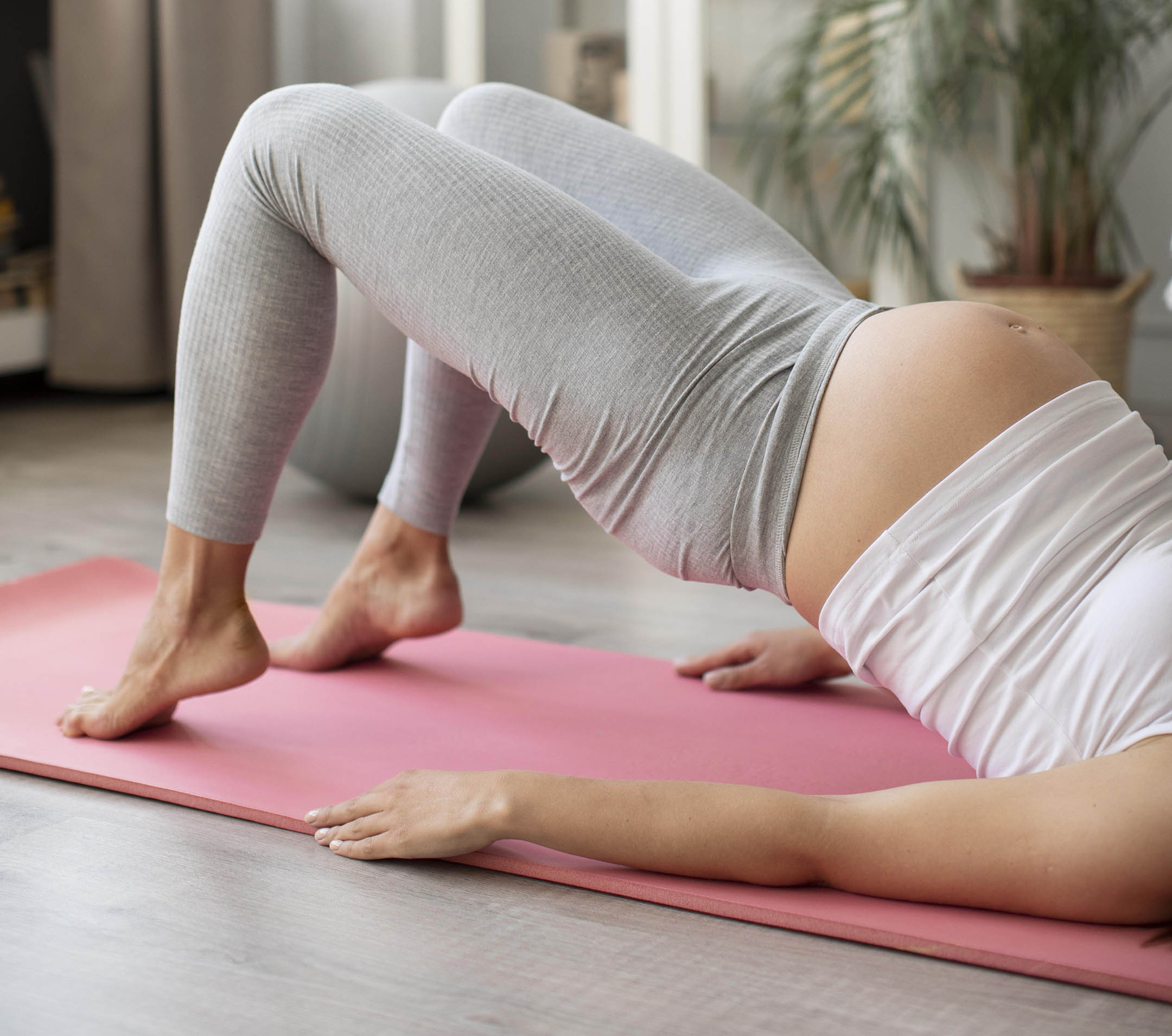
Pelvic floor rehabilitation is generally low risk when guided appropriately, but it may not be suitable for every patient or every symptom pattern.
Possible limitations and side effects may include:
- Temporary muscle fatigue or discomfort
- Symptoms not improving as expected
- Worsening discomfort if exercises are not suitable
- Over-tightening of already tense pelvic floor muscles
- Frustration if progress is gradual
- Need for further tests if symptoms continue
- Need for alternative treatment if pelvic floor rehabilitation is not enough
- Symptoms being caused by another urological condition
Pelvic floor exercises should be appropriate for your symptoms. Some people need relaxation rather than strengthening, so specialist guidance can be important.
If symptoms are severe, sudden or worsening, you should seek medical advice rather than continuing exercises without review.
When to seek urgent medical advice
Some urinary or pelvic symptoms need urgent assessment and should not wait for a routine private appointment.
Seek urgent medical advice through NHS 111, urgent care or emergency services if you have:
- Inability to pass urine
- Visible blood in the urine
- Fever, chills or feeling very unwell with urinary symptoms
- Severe lower abdominal, back or side pain
- New numbness around the genitals or back passage
- Sudden loss of bladder or bowel control
- New weakness or numbness in both legs
- Symptoms that are rapidly getting worse
Do not wait for a pelvic floor appointment if symptoms are severe, sudden or you feel acutely unwell.

Private pelvic floor rehabilitation near Newcastle
Tyneside Urology Partners provides private assessment for pelvic floor, bladder and urinary symptoms near Newcastle from its clinic in Team Valley, Tyne & Wear. The clinic serves patients from Newcastle, Gateshead, Tyneside and across the North East.
A consultation gives you the opportunity to discuss urinary leakage, urgency, frequency, pelvic floor dysfunction or symptoms after prostate treatment in a specialist setting. Your clinician can explain whether pelvic floor rehabilitation may be suitable and whether further tests or alternative treatments should be considered.

Frequently asked questions
- What is pelvic floor rehabilitation used for?
Pelvic floor rehabilitation may be used for urinary leakage, urgency, frequency, pelvic floor dysfunction and selected symptoms after prostate or pelvic surgery. It focuses on improving pelvic floor muscle strength, relaxation, coordination and bladder control strategies where appropriate.
- Is pelvic floor rehabilitation only for women?
No. Pelvic floor rehabilitation can be used for both men and women. Men may need support after prostate surgery or for bladder control symptoms. Women may need support for urinary leakage, urgency or pelvic floor changes after childbirth, menopause or pelvic surgery.
- Are pelvic floor exercises always the right treatment?
Not always. Some people have weak pelvic floor muscles, while others have muscles that are too tense or poorly coordinated. Assessment helps identify whether strengthening, relaxation, bladder training or another approach is most appropriate.
- How long does pelvic floor rehabilitation take to work?
Progress varies from person to person. Some people notice gradual improvement with regular practice, while others may need further assessment or additional treatment. Your clinician will explain realistic expectations based on your symptoms and diagnosis.
- Can pelvic floor rehabilitation help after prostate surgery?
Pelvic floor rehabilitation may help selected men manage urinary leakage after prostate surgery. The timing and type of exercises should be guided by the clinical team, as advice may depend on the operation, recovery stage and symptoms.
- Can I have pelvic floor rehabilitation in Newcastle?
Tyneside Urology Partners provides private assessment for pelvic floor and urinary symptoms near Newcastle. Your clinician can advise whether pelvic floor rehabilitation is suitable and whether support from a specialist pelvic floor practitioner is needed.
Book Your Urology Consultation
Urology consultations are available a Tyneside Urology.
Please view the form below to check availability and make your booking.
If further tests or treatments are recommended, these will be explained fully before you decide how to proceed. Should you need ongoing support, follow-up appointments can be arranged with your consultant.
You can book your appointment below or contact us if you would prefer assistance.
Get support for pelvic floor symptoms in Newcastle
If you have urinary leakage, urgency, frequency or pelvic floor symptoms, specialist assessment can help identify the likely cause and the options available.