Prostate MRI in Newcastle
A prostate MRI is a detailed scan used to assess the prostate, often when a PSA blood test is raised or there is concern about possible prostate cancer. It can help identify areas that may need closer investigation and guide whether a prostate biopsy is needed.
Tyneside Urology Partners provides prostate MRI consultations in Newcastle for men who need clear assessment of PSA results, prostate cancer risk or biopsy planning. Scan suitability and next steps depend on your symptoms, PSA level, examination findings, medical history and a specialist consultation.
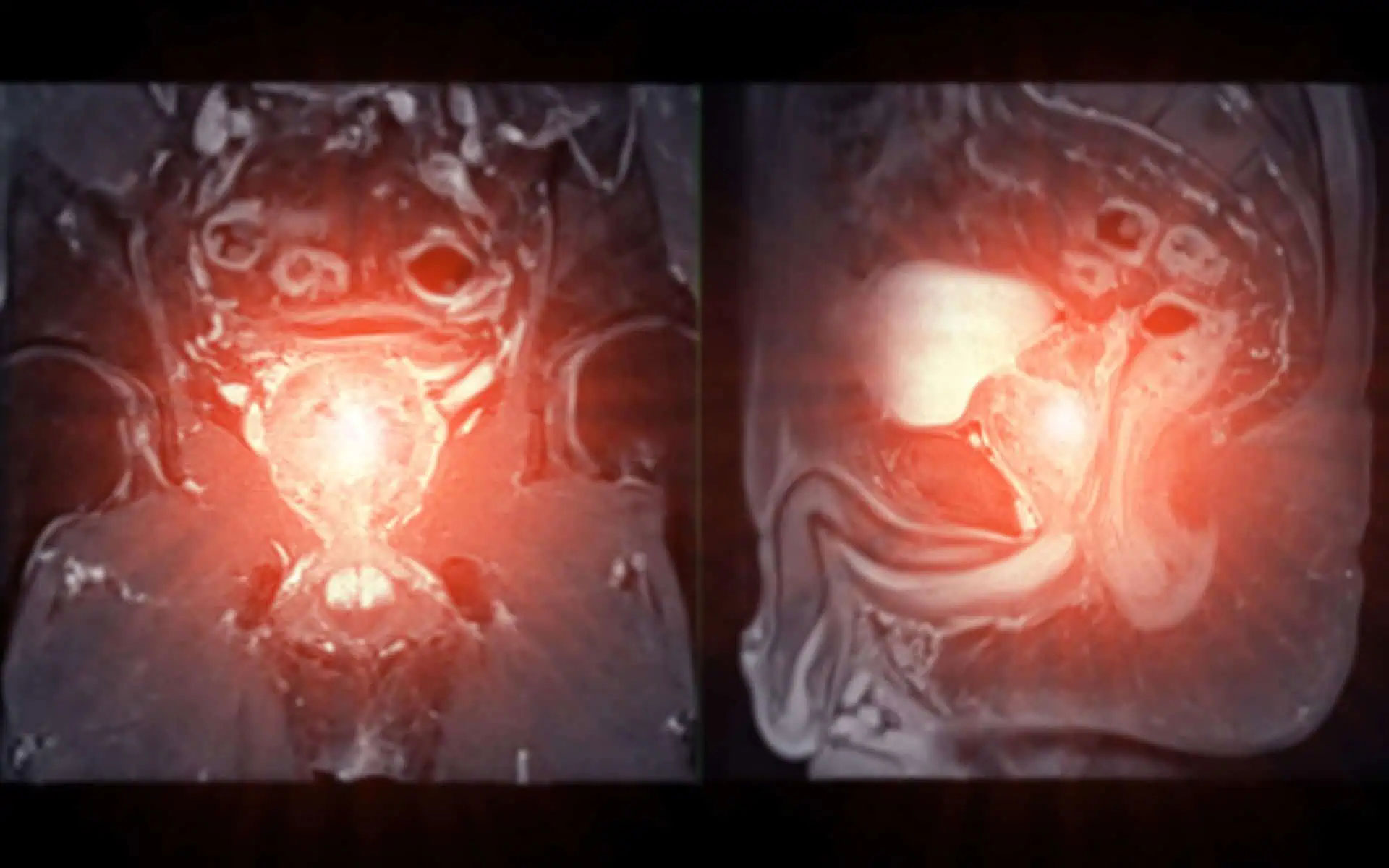
What ia a prostate MRI?
A prostate MRI is a scan that uses magnetic fields and radio waves to create detailed images of the prostate gland. It does not use X-rays or radiation.
The prostate is a small gland below the bladder. It surrounds the urethra, which is the tube that carries urine out of the body. Changes in the prostate can be linked to benign enlargement, inflammation or prostate cancer.
A specialised type of MRI, often called multiparametric MRI, gives detailed information about the prostate. It can help identify areas that look suspicious and may need further investigation.
A prostate MRI can be particularly helpful before biopsy. If a suspicious area is seen, the biopsy can be targeted more accurately. If the scan is reassuring and other risk factors are low, a biopsy may not be needed. Your clinician will explain what the scan result means in your situation.
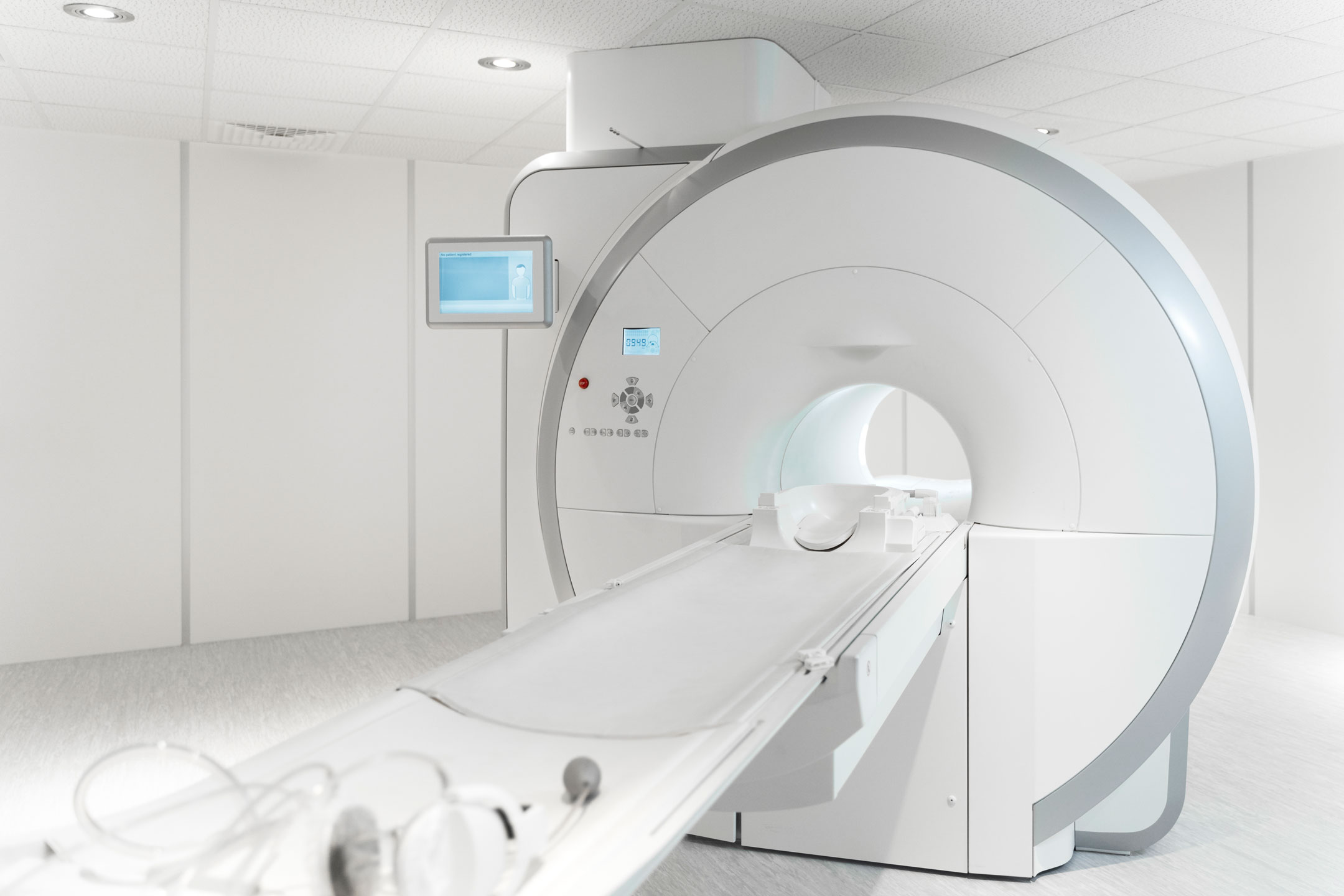
Why prostate MRI may be recommended
Prostate MRI may be recommended when there is concern about possible prostate cancer, often because of a raised PSA blood test, an abnormal prostate examination or a change in risk profile.
The scan can help your clinician understand whether there are areas in the prostate that need closer investigation. It can also help decide whether a biopsy is needed and where biopsy samples should be taken from if one is recommended.
MRI has become an important part of modern prostate cancer assessment because it can make the diagnostic pathway more targeted. It does not diagnose prostate cancer on its own, but it can provide valuable information before deciding on the next step.

Who prostate MRI is for
A prostate MRI may be suitable for men who need further assessment of prostate cancer risk or prostate changes. Specialist assessment may be helpful if you
- Have a raised PSA blood test
- Have a borderline PSA result and need further assessment
- Have an abnormal prostate examination
- Are being assessed for possible prostate cancer
- Need more clarity before deciding whether to have a biopsy
- Have had previous prostate tests and need further review
- Are being monitored on active surveillance
- Have a family history of prostate cancer and concerns about risk
- Want a consultant-led explanation of PSA, MRI or biopsy planning
A prostate MRI is not needed for every prostate symptom or raised PSA result. Your clinician will discuss whether it is appropriate based on your results and overall risk.
Symptoms and results prostate MRI can help investigate
Prostate MRI is often used after blood tests or examination findings suggest that closer prostate assessment is needed. Some men have no symptoms at all.
PSA is a blood test that can be raised for several reasons, including prostate enlargement, infection, inflammation or prostate cancer. MRI can help assess whether there are suspicious areas in the prostate that need further investigation.
If an examination finds a firm, irregular or unusual area in the prostate, MRI may be recommended to provide more detailed imaging.
Men with a family history of prostate cancer or other risk factors may need careful discussion about prostate assessment. MRI may form part of this pathway where appropriate.
Some men with low-risk prostate cancer are monitored rather than treated straight away. MRI can help monitor the prostate over time as part of an active surveillance plan.
What to expect
Prostate MRI is carried out in a clinical imaging setting. Your clinician will explain why the scan is being recommended and how the result will guide the next step.
You will begin with a consultation to discuss your PSA result, symptoms, medical history and any previous prostate investigations. Your clinician may ask about urinary symptoms, family history, previous biopsy results, medicines and general health.
A prostate examination may be recommended where appropriate. Your clinician will explain whether MRI is needed and what information it is expected to provide.
They will also explain what prostate MRI can and cannot show. MRI can identify suspicious areas, but it cannot confirm prostate cancer by itself. A biopsy may still be needed if the scan shows an area of concern.
The imaging provider will confirm preparation instructions before your scan. You may be asked about metal implants, pacemakers, previous surgery, kidney function, allergies and whether you have any difficulty lying flat or staying still.
Some prostate MRI scans involve contrast dye, depending on the scan protocol and your clinical situation. If contrast is needed, the imaging team will explain why it is being used and what to expect.
You should tell the team if you have a pacemaker, implanted device, metal fragments, severe claustrophobia or kidney problems, as these may affect whether MRI or contrast is suitable.
During the scan, you will lie still on the MRI table while images are taken. The scanner can be noisy, and you may be given ear protection.
The scan is not painful, but some people find lying still or being inside the scanner uncomfortable. The team will explain how to communicate with them during the scan if you need support.
The scan captures detailed images of the prostate and surrounding tissues. Your clinician will review the results with the radiology report and explain what they mean.
After the scan, your clinician will discuss the findings with you. If the MRI is reassuring and your overall risk is low, a biopsy may not be needed.
If the MRI shows an area of concern, your clinician may recommend a targeted prostate biopsy. This means samples can be taken from the suspicious area rather than relying only on systematic sampling.
Your next step will be based on the MRI findings, PSA level, examination findings, age, general health and your preferences.
Benefits of prostate MRI
Prostate MRI can provide important information when prostate cancer is being considered.
Detailed prostate imaging
MRI gives detailed images of the prostate gland and surrounding tissues. This can help identify areas that may need further investigation.
Can help target a biopsy
If a biopsy is needed, MRI can help guide where samples should be taken. This can make the biopsy more focused on areas of concern.
May help avoid unnecessary biopsy
In some men, a reassuring MRI result and low overall risk may mean a biopsy is not needed. Your clinician will explain whether this applies to your situation.
No radiation
MRI uses magnetic fields rather than X-rays, so there is no radiation exposure from the scan.


Risks and side effects
Prostate MRI is non-invasive, but it has limitations and is not suitable for everyone.
Possible issues may include:
- Discomfort from lying still during the scan
- Claustrophobia or anxiety inside the scanner
- MRI not being suitable because of certain implants or metal fragments
- Contrast dye side effects if contrast is used
- MRI missing some cancers
- MRI showing an area that later proves not to be cancer
- Need for biopsy if the scan shows suspicious changes
- Need for repeat imaging or further assessment in some cases
You should tell your clinician and the imaging team about implanted devices, metal fragments, kidney problems, allergies or previous reactions to contrast dye.
Your clinician will explain the potential benefits, limitations and next steps before the scan is arranged.
Prostate MRI and biopsy planning
A prostate MRI is often used before biopsy because it can show whether there are suspicious areas within the prostate. This helps guide whether biopsy is needed and how it should be performed.
If the scan shows a suspicious area, a targeted biopsy may be recommended. This allows samples to be taken from the area seen on MRI.
If the scan is reassuring, your clinician will consider the result alongside your PSA level, prostate examination, age, family history and overall risk. In some cases, monitoring may be advised instead of immediate biopsy.
MRI alone cannot confirm or rule out prostate cancer in every case. Your clinician will explain how confident the result is and what follow-up is needed.
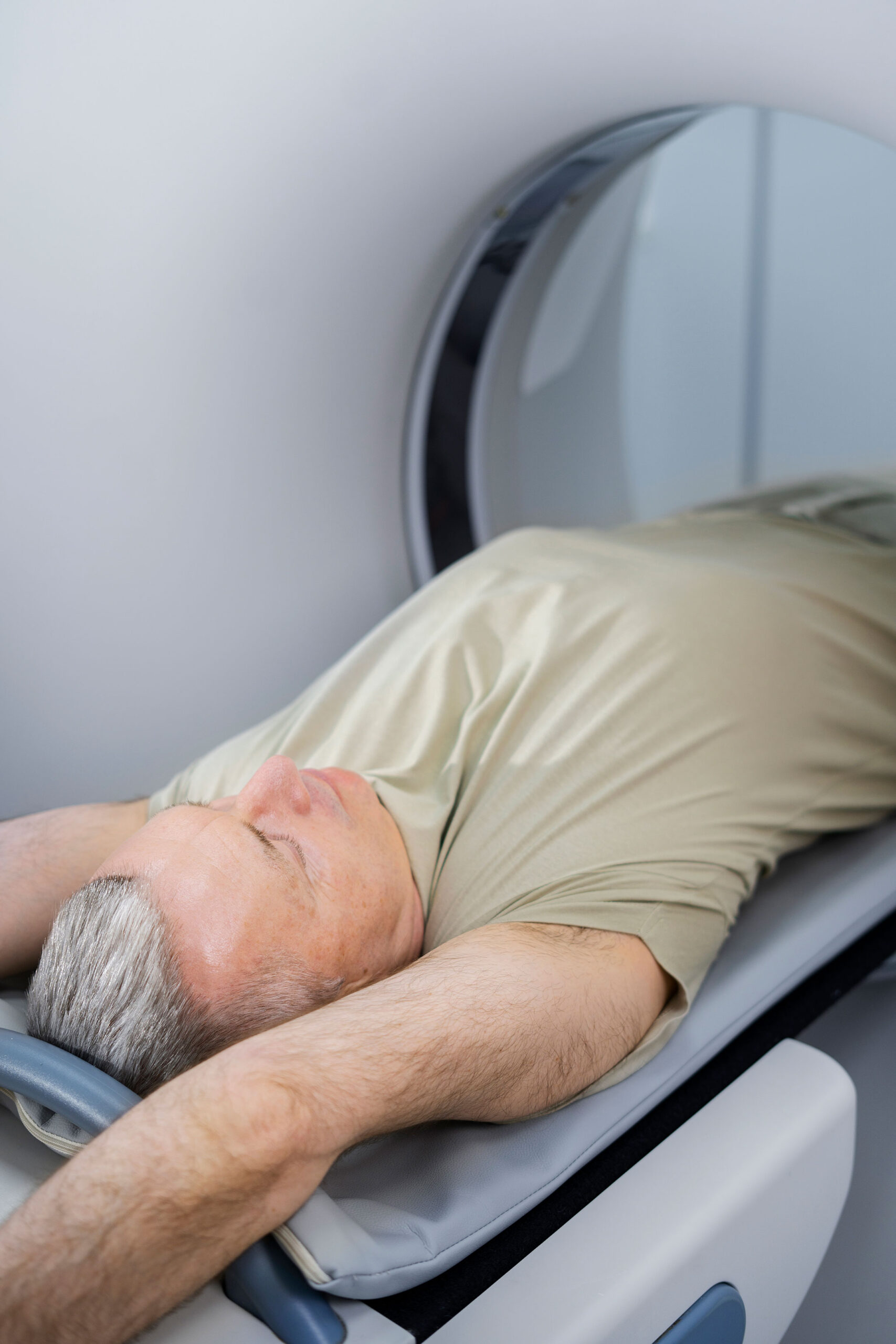
Private prostate MRI near Newcastle
Tyneside Urology Partners provides private prostate MRI consultations near Newcastle from its clinic in Team Valley, Tyne & Wear. The clinic serves patients from Newcastle, Gateshead, Tyneside and across the North East.
A consultation gives you the opportunity to discuss raised PSA, prostate cancer risk, previous test results or biopsy planning in a specialist setting. Your clinician will explain whether a prostate MRI is appropriate and what the results may mean for your next step.

Frequently asked questions
- Why is prostate MRI often done before a biopsy?
MRI can help identify suspicious areas in the prostate before a biopsy is performed. If a biopsy is needed, the scan can help target samples more accurately.
- Does a prostate MRI involve radiation?
No. MRI uses magnetic fields and radio waves rather than X-rays, so there is no radiation exposure from the scan.
- Is a prostate MRI painful?
The scan is not painful, but you need to lie still inside the scanner while images are taken. Some people find the scanner noisy or feel claustrophobic. The imaging team will explain what to expect and how they will support you.
- Can a prostate MRI diagnose prostate cancer?
MRI can show areas that look suspicious, but it cannot confirm prostate cancer on its own. A biopsy may be needed to confirm or rule out cancer if the scan raises concern.
- Can a prostate MRI mean I avoid a biopsy?
Yes, in some men. If the MRI is reassuring and overall risk is low, your clinician may advise monitoring rather than immediate biopsy. This depends on your PSA, examination findings, age, family history and wider risk profile.
- What happens if the MRI shows a suspicious area?
Your clinician may recommend a targeted prostate biopsy. The MRI result can help guide where samples should be taken from.
Book Your Urology Consultation
Urology consultations are available a Tyneside Urology.
Please view the form below to check availability and make your booking.
If further tests or treatments are recommended, these will be explained fully before you decide how to proceed. Should you need ongoing support, follow-up appointments can be arranged with your consultant.
You can book your appointment below or contact us if you would prefer assistance.
Arrange a prostate MRI consultation in Newcastle
If you have a raised PSA, prostate cancer concerns or have been advised to consider a biopsy, a specialist consultation can help you understand whether prostate MRI is the right next step.