Rapid Urine Culture Test in Newcastle
A rapid urine culture test can help identify whether a urinary tract infection is present and which bacteria may be responsible. It can provide results during your appointment, helping your clinician make a clearer treatment decision without waiting several days for a standard laboratory culture.
Tyneside Urology Partners provides rapid urine culture testing in Newcastle for patients with suspected UTIs, recurrent urinary infections or symptoms that have not settled as expected. Test suitability and treatment decisions depend on your symptoms, urine results, medical history and a specialist consultation.

What is a rapid urine culture test?
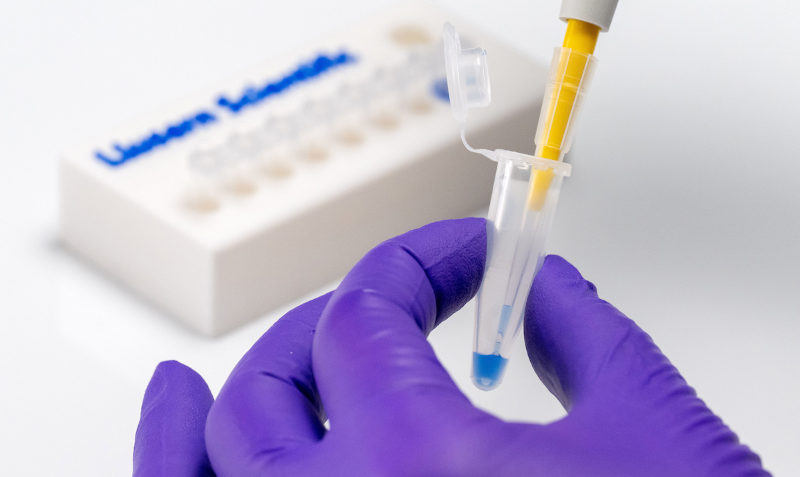
A rapid urine culture test is used to check whether bacteria linked with urinary tract infection are present in a urine sample. It can also help identify which bacteria may be responsible, so treatment can be guided more accurately.
A standard laboratory urine culture can take a few days to return. A rapid test is designed to provide a result during the appointment, often in around 35 minutes, depending on the specific test used and clinic pathway.
The test checks for common bacteria responsible for many UTIs. Your clinician will interpret the result alongside your symptoms, medical history, previous infections and any earlier urine test results. A urine test result should not be considered in isolation.
Having a result during your visit can help reduce uncertainty. If infection is confirmed, your clinician can discuss the most appropriate treatment plan. If infection is not found, this can help avoid unnecessary antibiotics and prompt consideration of other causes of symptoms.
Why rapid urine culture testing may be recommended
Rapid urine culture testing may be recommended when urinary symptoms suggest infection and a same-appointment result would help guide care. This can be particularly useful for patients with recurrent UTIs or previous unclear results.
Urinary symptoms can be uncomfortable and disruptive. Burning, urgency, frequency and bladder discomfort can suggest infection, but they can also be caused by other bladder or urological conditions. Testing helps clarify whether bacteria are present.
Accurate diagnosis matters because antibiotics are not always needed. When antibiotics are appropriate, identifying the likely bacteria can help guide more targeted treatment and reduce repeated courses that may not be effective.
Who rapid urine culture testing is for
Rapid urine culture testing may be suitable for people with urinary symptoms where infection needs to be confirmed or excluded quickly. Specialist assessment may be helpful if you:
- Have symptoms of a urinary tract infection
- Have recurrent urinary tract infections
- Have symptoms that return soon after treatment
- Have had repeated antibiotic courses
- Have had unclear or conflicting urine test results
- Want a quicker answer than standard laboratory culture
- Have persistent burning, urgency or frequency
- Have bladder discomfort with suspected infection
- Need treatment guided by clearer urine test information
- Want a prevention plan for recurrent UTIs
Rapid urine culture testing is not needed for every urinary symptom. Your clinician will discuss whether it is appropriate based on your symptoms, previous results and medical history.
Symptoms rapid urine culture testing can help assess
Rapid urine culture testing may be used when symptoms suggest a urinary tract infection. These symptoms can overlap with other bladder conditions, so careful interpretation is important.
A burning or stinging feeling when passing urine is a common symptom of a lower urinary tract infection. Testing can help confirm whether bacteria are present.
Some people need to pass urine more often than usual or feel a sudden urge to go. These symptoms can occur with infection, but they can also be linked to overactive bladder or bladder irritation.
Changes in urine appearance or smell can happen with infection, although they do not confirm a UTI on their own. A urine test can help guide whether treatment is needed.
If symptoms keep returning, do not settle with treatment or come back quickly after antibiotics, rapid testing may help clarify whether bacteria are still present and whether further investigation is needed.
What to expect
Rapid urine culture testing is carried out in a clinical setting. Your clinician will explain why the test is being recommended and how the result will guide the next step.
You will begin with a consultation to discuss your symptoms and infection history. Your clinician will ask when symptoms started, whether you have had similar episodes before, what treatments you have tried and whether previous urine cultures have identified bacteria.
They may also ask about fever, back pain, blood in the urine, pregnancy status where relevant, menopause-related symptoms, sexual triggers, bladder emptying, kidney stones, catheter use, prostate symptoms or other urological concerns.
Your clinician will explain what the rapid urine culture test involves, what it can show, what the limitations are and whether a standard laboratory culture is also needed.
You will be asked to provide a urine sample during your appointment. Clear instructions will be given so the sample is as useful as possible.
In some cases, you may be asked to provide a midstream sample. This means collecting urine partway through passing urine rather than at the very start.
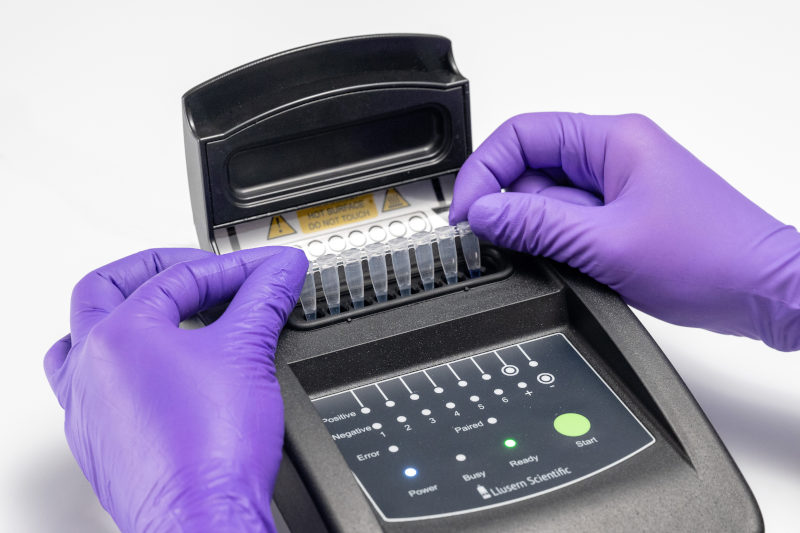
The sample is analysed for common UTI bacteria. The result is usually available during the appointment, often in around 35 minutes, depending on the specific test and clinic pathway.
Your clinician will review the result alongside your symptoms. If infection is found, they will explain what this means and whether treatment is appropriate.
If the test suggests a bacterial infection, your clinician will discuss a treatment plan. This may include antibiotics where appropriate, with treatment guided by the result and your medical history.
If the test does not show infection, antibiotics may not be needed. Your clinician may discuss other possible causes of symptoms or whether further testing is required.
For recurrent UTIs, the result may also form part of a wider prevention plan.
Benefits of rapid urine culture testing
Rapid urine culture testing can provide useful information during the appointment and support more targeted UTI care.
Same-appointment results
A rapid result can reduce the delay between testing and treatment planning. This can be helpful when symptoms are uncomfortable or when previous infections have been difficult to manage.
Helps guide antibiotic use
Where bacteria are found, testing can help your clinician choose a more targeted treatment plan. Where bacteria are not found, it can help avoid antibiotics that are unlikely to help.
Useful for recurrent UTIs
For patients with recurrent infections, rapid testing can help identify patterns and support a more structured approach than repeated treatment without confirmation.
Part of diagnosis-led UTI care
Rapid testing is one part of careful UTI assessment. Your clinician will consider your symptoms, urine results, previous cultures, antibiotic history and risk factors before recommending treatment.


Risks and side effects
Rapid urine culture testing is low risk because it involves providing a urine sample. However, like all tests, it has limitations.
Possible limitations may include:
- A contaminated sample affecting the result
- Bacteria not included in the rapid test panel
- False negative or false positive results
- Need for standard laboratory culture in some cases
- Need for repeat testing if symptoms continue
- Symptoms being caused by something other than infection
- Antibiotics still being needed if symptoms and clinical findings suggest infection
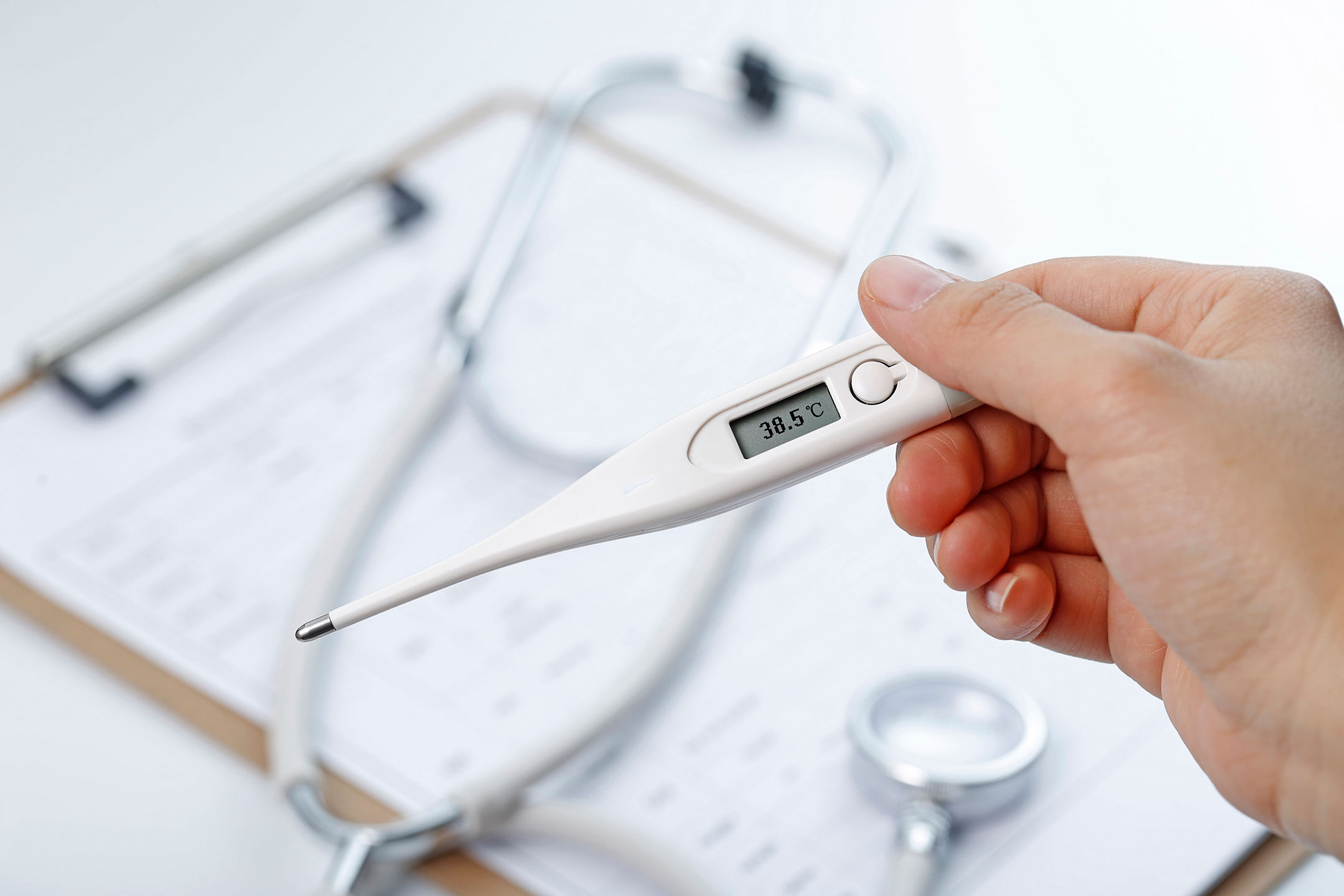
If symptoms are severe, worsening or associated with fever, back pain or feeling very unwell, you should seek urgent medical advice rather than waiting for routine testing.
Your clinician will explain the potential benefits, limitations and next steps before the test is carried out.
When to seek urgent medical advice
Some urinary symptoms need urgent assessment, especially if infection may have spread beyond the bladder or if there is a risk of kidney infection.
Seek urgent medical advice through NHS 111, urgent care or emergency services if you have:
- A high temperature, chills or feel very unwell
- Back or side pain
- Vomiting or inability to keep fluids down
- Confusion, drowsiness or sudden worsening in general health
- Difficulty passing urine
- Visible blood in the urine
- UTI symptoms during pregnancy
- Symptoms that are rapidly getting worse
Do not wait for a private appointment if symptoms are severe or you feel acutely unwell.
Private rapid urine culture test near Newcastle
Tyneside Urology Partners provides private rapid urine culture testing near Newcastle from its clinic in Team Valley, Tyne & Wear. The clinic serves patients from Newcastle, Gateshead, Tyneside and across the North East.
A consultation gives you the opportunity to discuss UTI symptoms, recurrent infections, previous antibiotic use and prevention options in a specialist setting. Your clinician will explain whether rapid urine culture testing is suitable and how the result may guide your next step.
Frequently asked questions
- How is a rapid urine culture test different from a standard urine culture?
A rapid urine culture test is designed to provide results during your appointment, while a standard laboratory culture usually takes longer. A standard culture may still be needed where more detailed information is required.
- How quickly are results available?
Results are usually available during the appointment, often in around 35 minutes. The exact timing will be confirmed by the clinic and depends on the specific test used.
- Can rapid urine culture testing help avoid unnecessary antibiotics?
Yes. If the test does not show bacterial infection, antibiotics may not be needed. Your clinician will interpret the result alongside your symptoms before advising on treatment.
- Can I start treatment the same day?
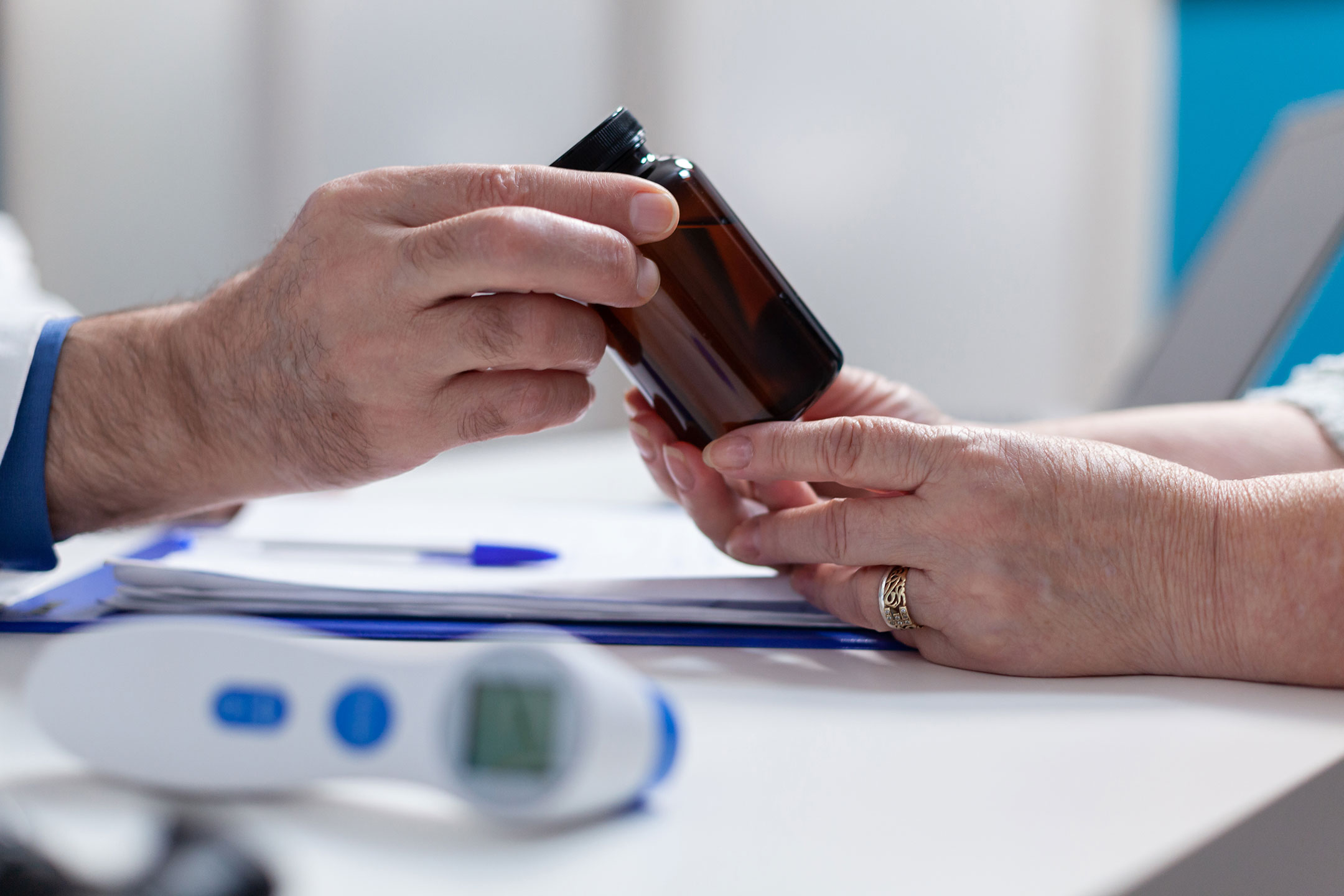
In some cases, treatment can be discussed and started during the same visit if the result, symptoms and clinical assessment support this. Your clinician will explain what is appropriate for you.
- Do I need to prepare for the test?
No special preparation is usually needed. You will be asked to provide a urine sample during your appointment, and the team will explain how to collect it.
- Is rapid testing useful for recurrent UTIs?
Rapid testing can be useful for recurrent UTIs because it helps confirm whether bacteria are present during symptoms. It can also support a more targeted treatment and prevention plan.
Book Your Urology Consultation
Urology consultations are available a Tyneside Urology.
Please view the form below to check availability and make your booking.
If further tests or treatments are recommended, these will be explained fully before you decide how to proceed. Should you need ongoing support, follow-up appointments can be arranged with your consultant.
You can book your appointment below or contact us if you would prefer assistance.
Get a clear UTI answer in Newcastle
If you have UTI symptoms, recurrent infections or previous unclear urine test results, rapid urine culture testing can help provide a clearer answer during your appointment.