Robotic Prostatectomy in Newcastle
Robotic prostatectomy is a robot-assisted operation to remove the prostate as a treatment for suitable localised prostate cancer. Localised prostate cancer means the cancer appears to be contained within the prostate gland.
Tyneside Urology Partners provides robotic prostatectomy consultations in Newcastle for men who want to understand whether surgery may be appropriate. Treatment suitability depends on your cancer grade and stage, scan results, PSA, biopsy findings, general health and personal priorities.

What is robotic prostatectomy?
Robotic prostatectomy, or fully called robot-assisted radical prostatectomy, is an operation to remove the whole prostate gland. It is used as a treatment for selected men with prostate cancer that is suitable for surgery.
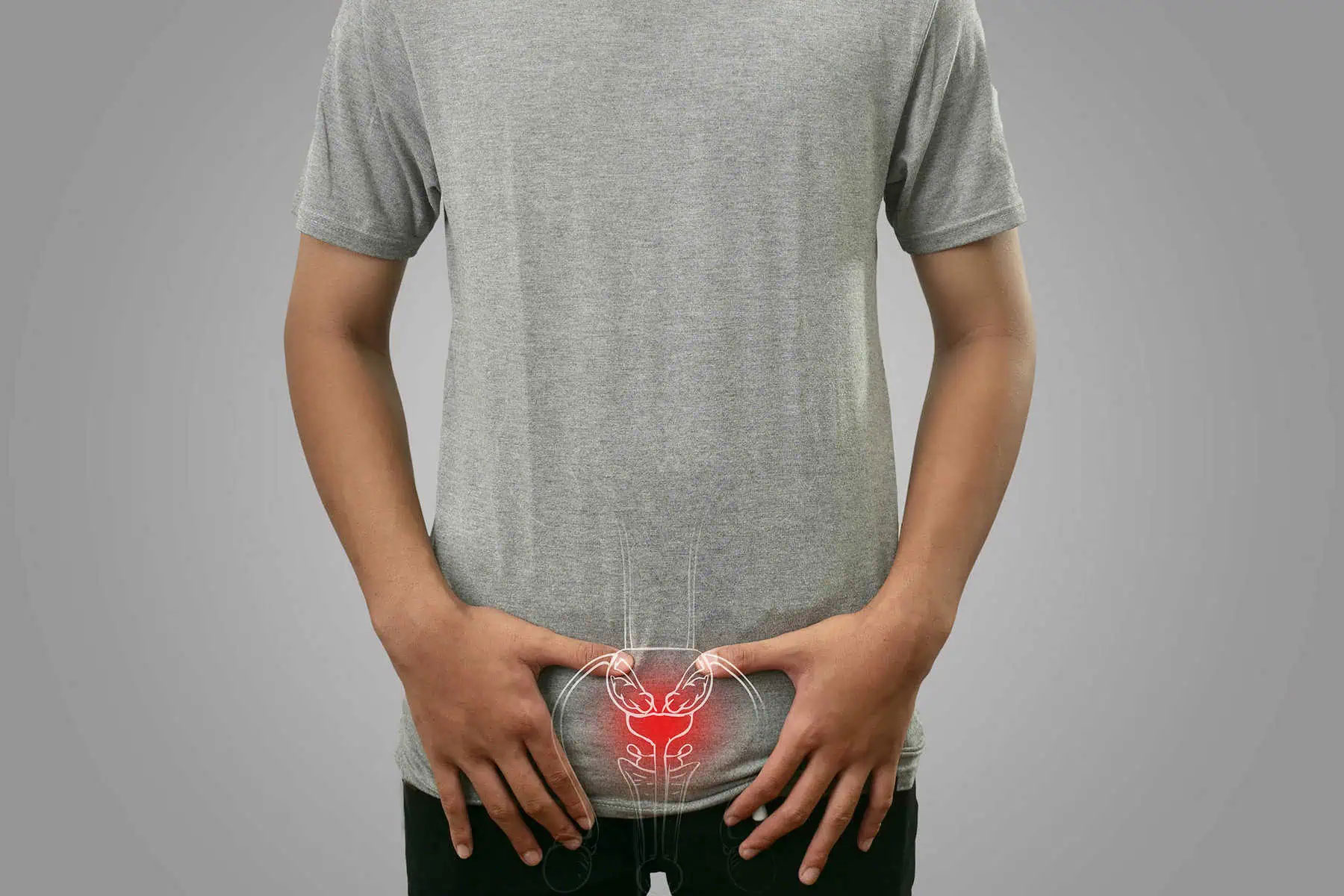
The prostate is a small gland below the bladder. It surrounds the urethra, which is the tube that carries urine out of the body. During a radical prostatectomy, the prostate is removed, and the bladder is reconnected to the urethra so urine can pass normally again after healing.
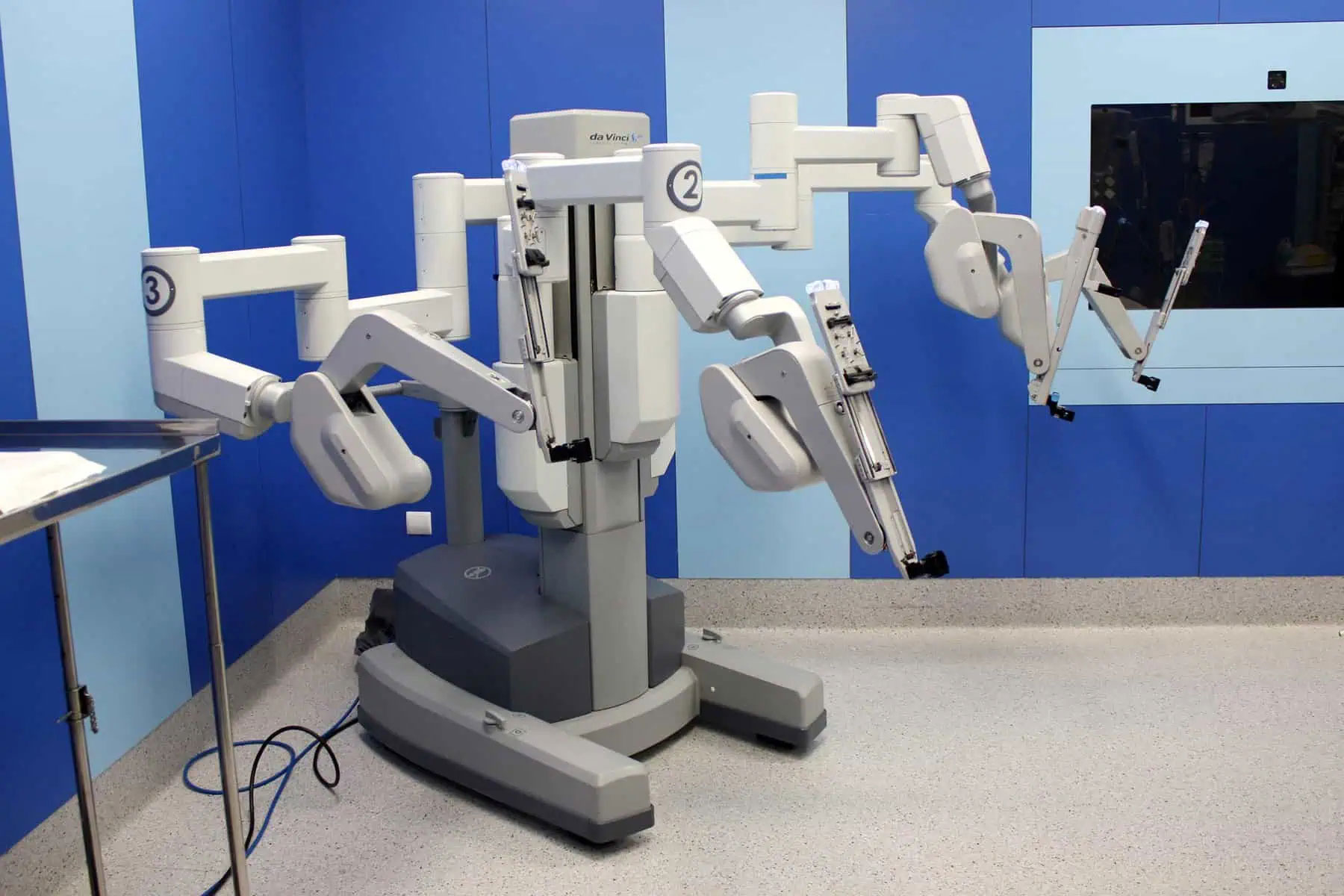
In robotic prostatectomy, the surgeon operates using a robotic system controlled from a console. The system translates the surgeon’s hand movements into precise movements using small surgical instruments. The operation is performed through several small cuts rather than one larger open incision.
The robotic system gives the surgeon a magnified view of the prostate and surrounding structures. This can help with careful dissection around delicate areas involved in urinary control and erections. Your clinician will explain whether robotic surgery is suitable for your diagnosis and how it compares with other treatment options.
Why robotic prostatectomy may be considered
Robotic prostatectomy may be considered when prostate cancer appears to be localised and surgery is a suitable treatment option. The aim is to remove the prostate and cancer within it, while preserving urinary and sexual function as far as possible.
Surgery is one of several recognised approaches for localised prostate cancer. Other options may include active surveillance, external beam radiotherapy or brachytherapy, depending on the cancer and your wider health.
A careful consultation is important because each treatment has different benefits, risks and side effects. Your clinician will discuss cancer control, urinary function, erectile function, recovery, follow-up and what matters most to you before any decision is made.
Who robotic prostatectomy is for
Robotic prostatectomy may be suitable for selected men with prostate cancer where surgery is considered an appropriate treatment option. Specialist assessment may be helpful if you:
- Have been diagnosed with localised prostate cancer
- Are considering surgery for prostate cancer
- Want to understand whether robotic prostatectomy is suitable
- Are comparing surgery with radiotherapy or active surveillance
- Have questions about urinary control after surgery
- Have questions about erections and sexual function after surgery
- Want to understand whether nerve-sparing surgery may be possible
- Need help interpreting PSA, MRI or biopsy results
- Want a consultant-led discussion of prostate cancer treatment options
Robotic prostatectomy is not suitable for everyone. Your clinician will review your cancer grade, stage, imaging, biopsy results, prostate anatomy, urinary symptoms and general health before explaining whether surgery is a reasonable option.
When robotic prostatectomy may be considered
Robotic prostatectomy is usually discussed after prostate cancer has been diagnosed and staged. It is part of a wider decision about how best to manage the cancer.
Robotic prostatectomy may be considered when prostate cancer appears to be contained within the prostate. The grade and extent of the cancer will influence whether surgery is suitable.
Many men need time to compare surgery, radiotherapy and active surveillance. A consultation gives you the opportunity to understand how each option applies to your diagnosis.
Prostate cancer treatments can affect urinary control, erections, ejaculation and fertility. These issues will be discussed clearly so you can make an informed decision.
Nerve-sparing surgery aims to preserve the nerves involved in erectile function where this is safe and appropriate. Whether this is possible depends on the position and extent of the cancer.
What to expect
Robotic prostatectomy is carried out as part of a specialist cancer pathway. Your clinician will explain whether surgery is appropriate and what the pathway involves before any treatment is agreed.
You will begin with a consultation to review your diagnosis. Your clinician will discuss your PSA level, MRI findings, biopsy results, cancer grade, cancer stage and any relevant scan results.
They will also ask about your general health, urinary symptoms, erections, previous prostate treatment, medicines and personal priorities. This helps build a clear picture of whether surgery is suitable and what risks may apply.
Your clinician will explain what robotic prostatectomy involves, what it may help achieve, what the limitations are and what side effects can occur.
If robotic prostatectomy is being considered, further planning may be needed. This may include reviewing imaging, discussing nerve-sparing suitability, assessing anaesthetic fitness and explaining the expected hospital pathway.
Your clinician will explain where surgery is carried out, who will be involved in your care and how your recovery and follow-up will be arranged. These details will be confirmed before treatment is agreed.
Robotic prostatectomy is performed under general anaesthetic. Several small cuts are made in the abdomen so the surgical instruments and camera can be placed.
The prostate is removed, and the bladder is joined back to the urethra. In some cases, lymph nodes may also be removed for assessment, depending on the cancer risk and treatment plan.
A catheter is placed after the operation to drain urine while the join between the bladder and urethra heals. Your clinician will explain how long the catheter is expected to stay in place.
Recovery varies between patients. You will receive advice on wound care, catheter care, activity, pain relief and when to return to normal routines.
Some urinary leakage is common after catheter removal, especially in the early recovery period. Pelvic floor exercises and follow-up support can help recovery of bladder control. Erectile function can also take time to recover, particularly if the nerves have been affected by the cancer or surgery.
Your aftercare plan, catheter removal, follow-up appointments and PSA monitoring will be confirmed by your clinician.
Follow-up after robotic prostatectomy is important. PSA blood tests are used to monitor for signs of prostate cancer activity after the prostate has been removed.
Your clinician will also review urinary control, sexual function, wound healing and any recovery concerns. If further treatment or support is needed, this will be discussed with you.
Benefits of robotic prostatectomy
Robotic prostatectomy may offer an appropriate surgical option for selected men with localised prostate cancer.
Precise surgical technique
The robotic system gives the surgeon a magnified view and fine instrument control. This can support careful surgery around the prostate and nearby structures.
Minimally invasive approach
Robotic prostatectomy is carried out through small cuts rather than one larger open incision. For many patients, this can support recovery compared with traditional open surgery.
Nerve-sparing where appropriate
Where it is safe from a cancer-control point of view, the surgeon may aim to preserve the nerves involved in erectile function. This is not possible or appropriate in every case.
Clear cancer monitoring after surgery
After the prostate is removed, PSA levels are monitored. This can help your clinician check for signs of cancer activity during follow-up.


Risks and side effects
Robotic prostatectomy is a major operation and can cause side effects. These vary between patients and depend on your cancer, anatomy, general health and recovery.
Possible risks and side effects may include:
- Pain, bruising or discomfort after surgery
- Bleeding
- Infection
- Blood clots
- Urine leakage or urinary incontinence
- Erectile dysfunction
- Ejaculation changes
- Infertility
- Narrowing where the bladder is joined to the urethra
- Need for a catheter after surgery
- Change in orgasm sensation
- Bowel or nearby organ injury, although this is uncommon
- Need for further treatment if cancer features suggest a higher risk of recurrence
- Anaesthetic-related risks
You should seek medical advice if you develop a high temperature, worsening pain, heavy bleeding, chest pain, shortness of breath, calf swelling, inability to pass urine after catheter removal, or feel very unwell after surgery.
Your clinician will explain the potential risks, benefits and limitations before treatment goes ahead.
Robotic prostatectomy and prostate cancer treatment decisions
Choosing treatment for localised prostate cancer is a personal decision. Surgery, radiotherapy and active surveillance may all be relevant depending on your diagnosis.
Robotic prostatectomy may suit men who want active treatment and are fit enough for surgery. It may not be the right choice for men with certain cancer features, significant health concerns or personal priorities that favour another approach.
Your clinician will explain how surgery compares with other options in your case. The aim is to help you make a clear and informed decision based on your cancer, your health and what matters most to you.

Private robotic prostatectomy consultation near Newcastle
Tyneside Urology Partners provides private robotic prostatectomy consultations near Newcastle from its clinic in Team Valley, Tyne & Wear. The clinic serves patients from Newcastle, Gateshead, Tyneside and across the North East.
A consultation gives you the opportunity to discuss your diagnosis, test results and treatment options in a specialist setting. Your clinician will explain whether robotic prostatectomy may be suitable and how the treatment pathway would be coordinated if surgery is agreed

Frequently asked questions
- Is robotic prostatectomy the best treatment for prostate cancer?
There is no single best treatment for every man. Surgery, radiotherapy and active surveillance can all be appropriate for selected cases of localised prostate cancer. The right option depends on your diagnosis, health and priorities.
- What does nerve-sparing mean?
Nerve-sparing means trying to preserve the delicate nerves near the prostate that are involved in erections. It is only carried out where it is safe and appropriate based on the position and extent of the cancer.
- Will I be incontinent after robotic prostatectomy?
Urinary leakage is common in the early recovery period after catheter removal. Many men improve over time, but recovery varies. Your clinician will explain the risk and how continence recovery is supported.
- Will robotic prostatectomy affect erections?
Erections can be affected after prostate surgery, even when nerve-sparing is possible. Recovery depends on age, erections before surgery, cancer position, nerve-sparing suitability and other health factors.
- How long is recovery after robotic prostatectomy?
Recovery varies between patients. Robotic surgery uses smaller cuts than open surgery, but it is still a major operation. Your clinician will give guidance on catheter removal, activity, driving, work and follow-up.
- Will I need follow-up after surgery?
Yes. Follow-up is essential after robotic prostatectomy. PSA blood tests are used to monitor for signs of cancer activity, and your clinician will also review urinary control, erections and recovery.
Book Your Urology Consultation
Urology consultations are available a Tyneside Urology.
Please view the form below to check availability and make your booking.
If further tests or treatments are recommended, these will be explained fully before you decide how to proceed. Should you need ongoing support, follow-up appointments can be arranged with your consultant.
You can book your appointment below or contact us if you would prefer assistance.
Understand whether surgery is right for you
If you have localised prostate cancer and want to understand whether robotic prostatectomy may be suitable, a specialist consultation can help you compare your options clearly.