Suprapubic Catheter in Newcastle
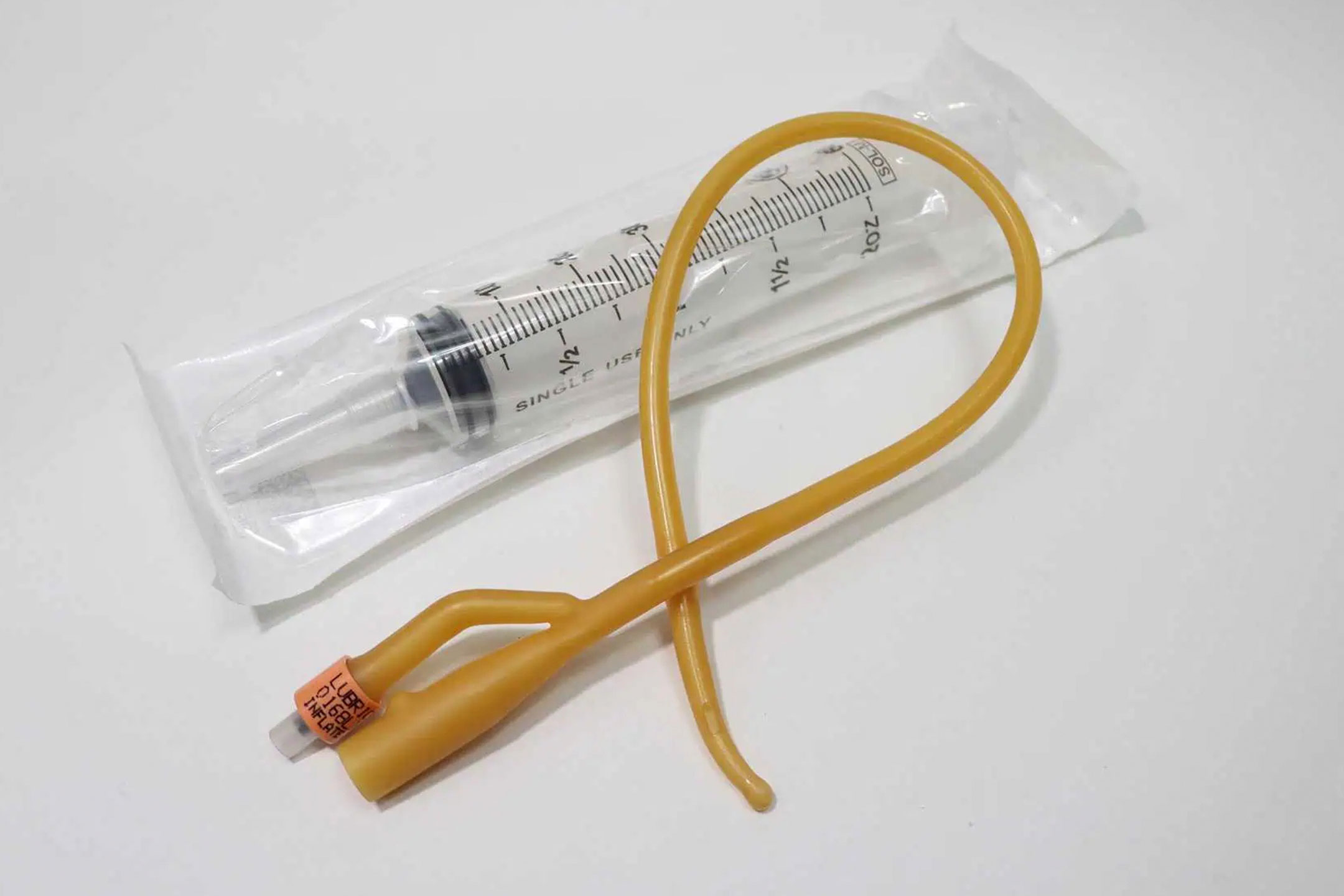
A suprapubic catheter is a thin tube used to drain urine from the bladder through a small opening in the lower abdomen, rather than through the urethra. It may be recommended for people who need longer-term bladder drainage or where a urethral catheter is uncomfortable, unsuitable or causing repeated problems.
Tyneside Urology Partners provides suprapubic catheter care in Newcastle for patients who need specialist assessment, catheter insertion or ongoing catheter management. Suitability depends on your symptoms, bladder function, medical history and a specialist consultation.
What is a suprapubic catheter?
A suprapubic catheter is a flexible tube that drains urine directly from the bladder through a small opening in the lower tummy, just above the pubic bone. It is sometimes known as an SPC.
It is different from a urethral catheter, which passes through the urethra. The urethra is the natural tube that carries urine from the bladder out of the body. A suprapubic catheter leaves the urethra free, which can be helpful for some patients who need bladder drainage over a longer period.
A suprapubic catheter may be used when the bladder does not empty properly, when urine needs to be drained after certain procedures or when a urethral catheter is not the best option. It can also be considered when urethral catheters cause discomfort, repeated blockage, irritation or other difficulties.
For many people, a suprapubic catheter can be easier to manage day to day than a urethral catheter. It can sit more discreetly under clothing and may be more comfortable for longer-term bladder drainage. Your clinician will explain whether it is suitable for your situation.
Why a suprapubic catheter may be considered
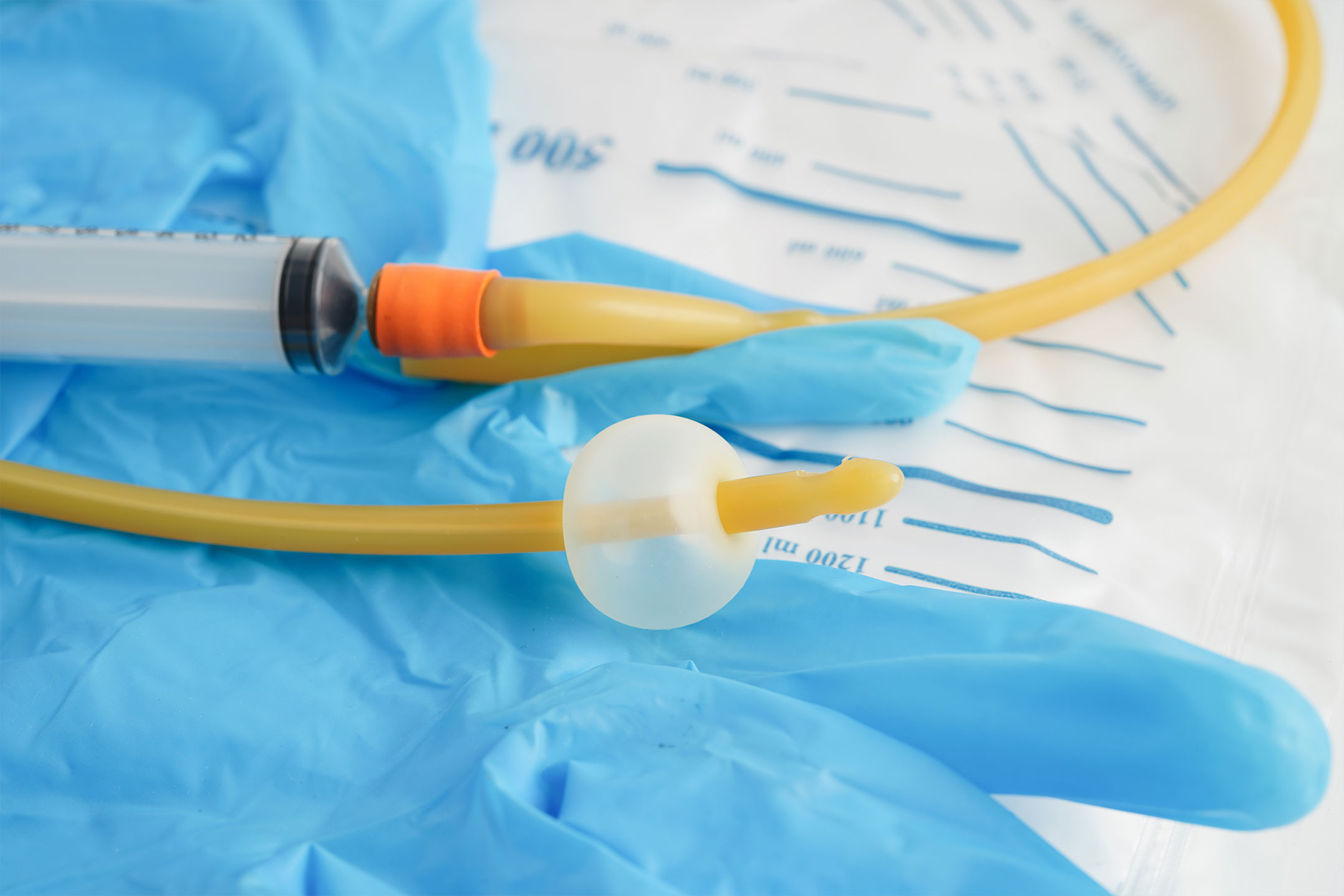
A suprapubic catheter may be considered when reliable bladder drainage is needed and other options are not suitable or have not worked well. The aim is to drain the bladder safely, reduce discomfort and support day-to-day management.
For people who need a catheter for longer than a short period, a suprapubic catheter can sometimes be better tolerated than a urethral catheter. Because it avoids the urethra, it can reduce irritation in the natural water passage and may make personal care or intimacy easier for some patients.
The decision to use a suprapubic catheter will be made after assessment. Your clinician will consider why bladder drainage is needed, how long it is likely to be needed, your general health, any previous catheter problems and any risks that apply to you.

Who a suprapubic catheter is for
A suprapubic catheter may be suitable for people who need bladder drainage and where specialist assessment suggests it is an appropriate option. Specialist assessment may be helpful if you:
- Need bladder drainage for a longer period
- Have urinary retention or difficulty emptying the bladder
- Have a urethral catheter that is uncomfortable or repeatedly troublesome
- Have repeated catheter blockage or catheter-related issues
- Need bladder drainage after certain urology procedures
- Have a condition affecting bladder emptying
- Have urethral problems that make urethral catheterisation unsuitable
- Would like to discuss longer-term catheter options
- Need a clearer plan for catheter care and follow-up
A suprapubic catheter is not suitable for everyone. Your clinician will discuss your symptoms, examine you where appropriate and explain whether this approach is a reasonable option for you.
Common reasons a suprapubic catheter may be used
Suprapubic catheter care may be discussed when bladder drainage is needed for practical, medical or comfort-related reasons.
Some people need catheter drainage for longer than a short-term episode. In these situations, a suprapubic catheter may be considered because it can be easier to manage and more comfortable for selected patients.
If the bladder does not empty properly, urine can remain in the bladder after passing urine. This can lead to discomfort, infections or other problems. A catheter may be needed to drain the bladder safely.
A urethral catheter can sometimes cause irritation, discomfort, leakage, blockage or repeated problems. If this happens, a suprapubic catheter may be discussed as an alternative.
Because a suprapubic catheter leaves the urethra free, it may be more suitable for patients who find a urethral catheter difficult to tolerate. It may also make washing, dressing and intimacy easier for some people.
What to expect
Suprapubic catheter insertion is carried out in a clinical setting. The exact approach will depend on your symptoms, anatomy, medical history and the reason bladder drainage is needed.
You will begin with a consultation to discuss your symptoms, catheter history and general health. Your clinician will ask why bladder drainage is needed and whether you have had any previous problems with catheters, infections, bladder emptying or urinary retention.
In some cases, you may need an examination and urine testing. Further tests may be recommended to assess bladder emptying, bladder function or the urinary tract before a suprapubic catheter is inserted.
Your clinician will explain what the procedure involves, why it is being recommended, what alternatives are available and what risks or side effects can occur.
If a suprapubic catheter is suitable, it is placed through a small opening in the lower abdomen and into the bladder. The catheter then allows urine to drain into a bag or valve system.
The procedure is carried out with appropriate anaesthetic. The exact anaesthetic and insertion technique will be confirmed by your clinician before treatment.
Once the catheter is in place, it is secured and connected to a drainage system. The team will check that urine is draining and that you are comfortable before you leave.
You will be shown how to look after the catheter, drainage bag or valve, and the skin around the insertion site. You will also be given advice on hygiene, fluid intake, signs of infection and what to do if the catheter stops draining.
Suprapubic catheters need planned changes. The timing of catheter changes depends on the catheter type, your clinical situation and your clinician’s recommendation. Your catheter change schedule will be confirmed as part of your care plan.
Follow-up allows your clinician to check that the catheter is working well and that you are managing it comfortably. It also gives you the opportunity to discuss leakage, blockage, discomfort, infection symptoms or any practical concerns.
If your catheter is no longer needed, your clinician will discuss when and how it can be removed. If longer-term drainage is still required, your care plan will include routine changes and ongoing support.
Benefits of a suprapubic catheter
A suprapubic catheter can provide a practical bladder drainage option for selected patients who need catheter care.
Comfortable for longer-term use
Because the catheter does not pass through the urethra, some people find it more comfortable than a urethral catheter, especially when drainage is needed for longer periods.
Leaves the urethra free
A suprapubic catheter avoids the natural water passage. This can reduce urethral irritation and may be helpful if urethral catheterisation is difficult or unsuitable.
More discreet day to day
The catheter exits through the lower abdomen and can usually be covered by clothing. Many patients find this more discreet and easier to manage in daily life.
Can support personal care and intimacy
Because the catheter is away from the genital area, some people find washing, dressing and intimacy easier than with a urethral catheter. Practical advice will be provided based on your situation.

Risks and side effects
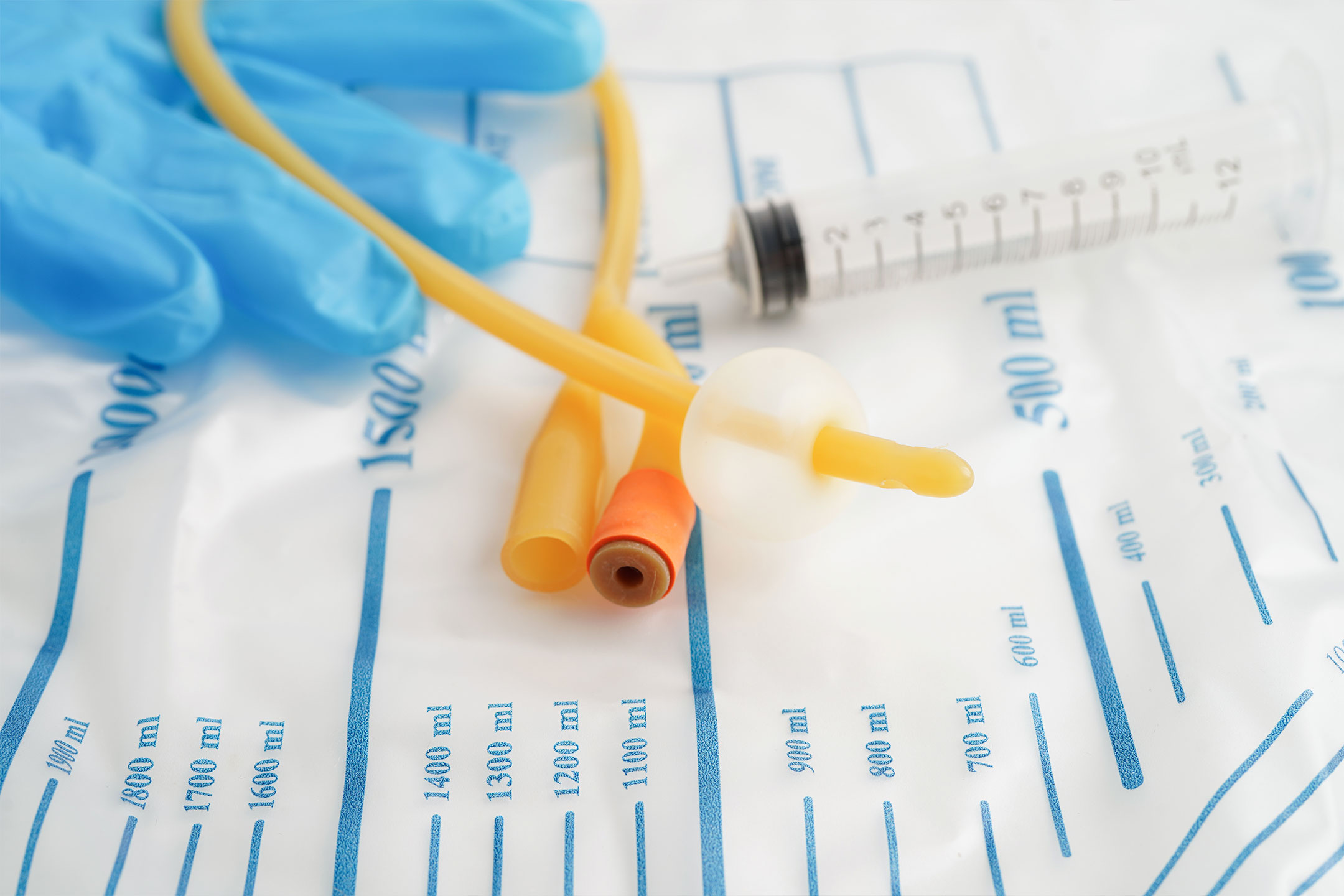
A suprapubic catheter can be very helpful, but it does involve a procedure and ongoing catheter care. It is not suitable for everyone.
Possible risks and side effects may include:
- Discomfort or bruising after insertion
- Bleeding from the insertion site or in the urine
- Infection at the catheter site
- Urinary tract infection
- Catheter blockage
- Urine leakage around the catheter
- Bladder spasms or cramping
- Skin irritation around the catheter site
- Catheter dislodgement
- Need for catheter replacement or further treatment
- Injury to nearby structures, although this is uncommon
You should seek urgent medical advice if the catheter stops draining, you are unable to pass urine and feel your bladder filling, you develop fever or chills, have severe pain, notice heavy bleeding, feel very unwell or have spreading redness around the catheter site.
Your clinician will explain the potential risks, benefits and limitations before the procedure goes ahead.
Suprapubic catheter care and management
Good catheter care is important to reduce the risk of infection, blockage and skin problems. Your care plan will include advice on day-to-day management and when to seek help.
You will be shown how to keep the area clean, how to manage the drainage bag or valve and how to recognise possible problems. The catheter should drain urine continuously unless you are using a valve system as advised.
It is important not to remove or change the catheter yourself unless you have been specifically trained and advised to do so. If the catheter falls out, stops draining or causes significant pain, you should seek urgent medical advice.
Your catheter care arrangements, including change frequency and follow-up, will be confirmed by your clinician.
Private suprapubic catheter care near Newcastle
Tyneside Urology Partners provides private suprapubic catheter care near Newcastle from its clinic in Team Valley, Tyne & Wear. The clinic serves patients from Newcastle, Gateshead, Tyneside and across the North East.
A consultation gives you the opportunity to discuss bladder drainage, catheter problems or longer-term catheter options in a specialist setting. Your clinician will explain whether a suprapubic catheter may be suitable and discuss any alternatives that may be more appropriate.

Frequently asked questions
- Is inserting a suprapubic catheter a big operation?
No. Suprapubic catheter insertion is generally a minor procedure, but it still needs careful assessment and appropriate anaesthetic. Your clinician will explain exactly what is involved and what to expect before treatment.
- Is a suprapubic catheter more comfortable than a urethral catheter?
Many people find a suprapubic catheter more comfortable for longer-term use because it avoids the urethra. This is not the case for everyone, and suitability depends on your medical situation and the reason catheter drainage is needed.
- How often does a suprapubic catheter need changing?
A suprapubic catheter needs to be changed periodically. The timing depends on the catheter type, your clinical needs and your clinician’s advice. Your catheter change schedule will be confirmed as part of your care plan.
- Can I still be intimate with a suprapubic catheter?
Many people find intimacy easier with a suprapubic catheter than with a urethral catheter because the catheter is away from the genital area. Your clinician or specialist nurse can provide practical advice based on your situation.
- Will I be able to look after the catheter myself?
Many people can manage a suprapubic catheter day to day with clear guidance. You will be shown how to care for it, how to manage the drainage system and when to seek help.
- What should I do if my catheter stops draining?
If your catheter stops draining, leaks heavily, falls out or you develop pain, fever or feel your bladder filling, seek urgent medical advice. Catheter blockage or displacement needs prompt assessment.
Book Your Urology Consultation
Urology consultations are available a Tyneside Urology.
Please view the form below to check availability and make your booking.
If further tests or treatments are recommended, these will be explained fully before you decide how to proceed. Should you need ongoing support, follow-up appointments can be arranged with your consultant.
You can book your appointment below or contact us if you would prefer assistance.
Ask about a suprapubic catheter in Newcastle
If you need longer-term bladder drainage, have problems with a urethral catheter or want to discuss catheter options, a specialist consultation can help you understand the most suitable approach.