Kidney Stones: Symptoms and Treatment
Kidney stones can cause severe pain, blood in the urine, urinary symptoms or recurrent infections. Some stones pass naturally, while others need specialist assessment and treatment planning. Tyneside Urology Partners provides private kidney stone assessment and treatment in Newcastle, helping patients understand their symptoms, scan findings and suitable next steps.
- Specialist assessment for suspected or confirmed kidney stones
- Support for severe side pain, blood in the urine and urinary symptoms
- Review of scans, urine results and previous stone history
- Treatment planning based on stone size, position, symptoms and kidney health

What are kidney stones?
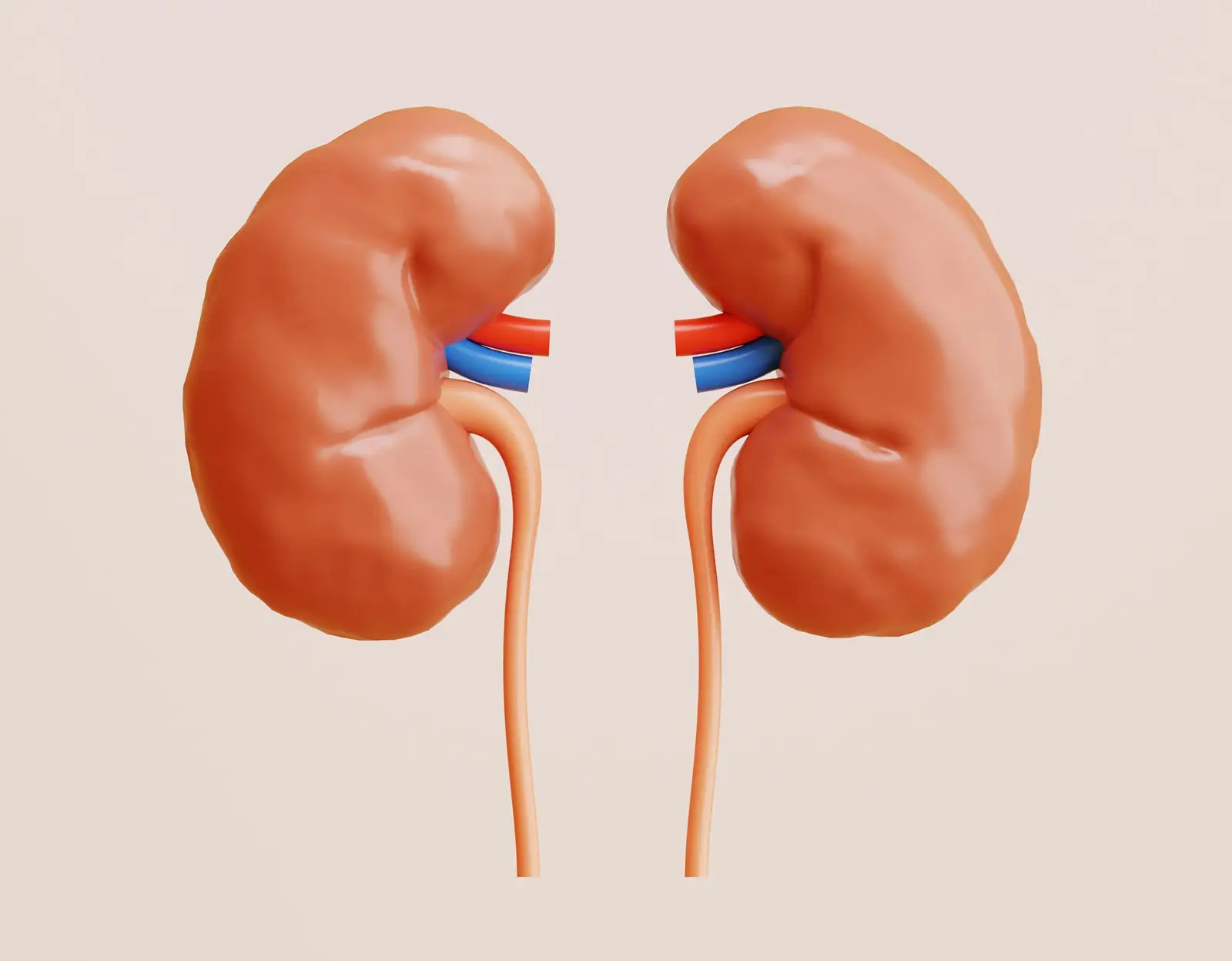
Kidney stones are hard deposits that form from minerals and salts in the urine. They can develop inside the kidney and may stay there without causing symptoms. Symptoms often occur when a stone moves, blocks urine flow or irritates the urinary tract.
A stone may remain in the kidney, move into the ureter or pass into the bladder. The ureter is the narrow tube that carries urine from the kidney to the bladder. If a stone becomes stuck in the ureter, it can cause sudden and severe pain, often called renal colic.
Kidney stones vary in size, position and type. Some small stones may pass naturally with time, pain relief and fluids. Larger stones, stones causing blockage, stones linked with infection or stones that do not pass may need treatment.
A specialist assessment can help identify where the stone is, whether it is blocking the kidney, whether infection is present and what treatment options may be appropriate.
Common kidney stone symptoms
Kidney stones can be silent until they move or cause a blockage. When symptoms occur, they can be severe and may come in waves.
- Most Typical
Severe side or back pain
The most typical symptom is sudden, intense pain in the side or back. This is often called renal colic. The pain may move towards the lower abdomen, groin or testicle in men.
- Requires Check
Blood in the urine
Kidney stones can cause visible or non-visible blood in the urine. Blood in the urine should be checked by a healthcare professional, even if a stone is suspected or the bleeding settles.
- Common Sign
Urinary changes
Some people notice needing to pass urine more often, urgency, stinging when passing urine or discomfort low in the abdomen. These symptoms may occur when a stone is close to the bladder or if infection is also present.
- Care Needed
Nausea and vomiting
Kidney stone pain can cause nausea or vomiting, particularly when pain is severe. If you cannot keep fluids down or feel very unwell, seek urgent medical advice.
- Urgent
Fever or feeling very unwell
Pain with a high temperature, chills, shivering or feeling very unwell can suggest infection with a blocked kidney. This can be serious and needs urgent medical assessment.
Medical Disclaimer: This information is for educational purposes only. If you are experiencing severe, localised pain accompanied by fever, persistent vomiting, or inability to pass urine, please seek immediate emergency medical care.
Specialist assessment
Specialist assessment may be helpful if you:
- Have severe side, back, lower abdominal or groin pain
- Have been told you have a kidney stone
- Have blood in the urine
- Have repeated kidney stone episodes
- Have urinary symptoms alongside stone pain
- Have recurrent urinary tract infections
- Have a stone that has not passed as expected
- Have kidney swelling on a scan
- Have only one functioning kidney
- Have reduced kidney function
- Have a history of complex stones
- Need review of a CT, ultrasound or X-ray result
- Want to understand whether treatment or monitoring is needed
- Want advice on reducing future kidney stone risk
If you have severe pain, a high temperature, chills, vomiting, difficulty passing urine or feel very unwell, seek urgent medical advice. Do not wait for a routine private appointment if symptoms are severe, sudden or getting worse.
What To Expect At Tyneside Urology Partners
- Stone size
- Stone position
- Whether the stone is causing blockage
- Whether infection is present
- Whether kidney function is affected
- Whether the stone is likely to pass naturally
- Whether treatment is needed
- Whether further metabolic assessment is appropriate
Your clinician will discuss your symptoms, when they started and whether you have had kidney stones before. They may ask about pain location, blood in the urine, urinary symptoms, fever, nausea, vomiting, previous infections and any scans already performed.
They may also ask about fluid intake, diet, family history, medication, gout, bowel conditions, previous surgery, kidney function and any previous stone treatments.
If you have already had imaging, such as a CT scan, ultrasound or X-ray, your clinician may review the findings to understand the stone size, position and whether there is any blockage.
A urine test may be used where appropriate to check for blood, infection or other changes. Blood tests may be considered to assess kidney function, infection markers or stone-related risk factors.
Diagnosis usually involves combining symptoms, examination, urine results, blood tests and imaging.
A CT scan is commonly used to confirm the presence, size and position of a stone. Ultrasound or X-ray may be used in selected situations, depending on the clinical picture and previous results.
Your clinician may consider:
Not every patient needs every test. Your clinician will explain which investigations are relevant and why.
Treatment planning depends on stone size, position, symptoms, infection risk, kidney function and your overall health.
Some small stones may pass naturally. In these cases, management may include pain control, hydration advice, urine straining where appropriate and follow-up imaging to check the stone has passed.
If a stone is larger, stuck, causing ongoing pain, causing blockage or linked with infection, treatment may be needed. Options may include shockwave treatment, ureteroscopy, laser stone treatment, stenting or other procedures depending on the stone and the clinical situation.
If there is infection with an obstructed kidney, urgent drainage may be needed. This is usually managed as an emergency and should not wait for a routine appointment.
Your clinician will explain the likely benefits, risks, limitations and alternatives before any treatment plan is agreed.
Follow-up depends on the stone, symptoms and treatment plan. Some patients need repeat imaging to check whether a stone has passed or whether swelling has settled.
If you have had treatment, follow-up may include review of symptoms, urine results, kidney function, stent management where relevant and stone prevention advice.
If you have recurrent stones, your clinician may discuss metabolic assessment to look for factors that increase stone risk. This can help guide prevention planning.
What causes kidney stones?
Kidney stones can form when substances in the urine become concentrated and crystallise. Several factors can increase the chance of stone formation.
Dehydration or low fluid intake
Diet and salt intake
Family history
Recurrent urinary infections
Medical conditions
Medication and supplements
Previous stones

Managing kidney stones and reducing recurrence
Once a kidney stone has been treated or passed, prevention may be important, especially if you have had more than one episode.
General measures may include drinking enough fluid to keep urine less concentrated, reviewing salt intake and discussing diet based on the type of stone where known. Some patients may need more specific advice after blood tests, urine tests or stone analysis.
If you pass a stone, it may be useful to have it analysed where possible. Stone analysis can help identify the type of stone and guide prevention advice.
If stones are recurrent, large, unusual, linked with infection or associated with reduced kidney function, further assessment may be recommended.
There is no single prevention plan that is right for everyone. Advice should be tailored to stone type, urine results, medical history and personal risk factors.
Kidney stone treatment options
Kidney stone treatment depends on the stone size, location, symptoms and whether the kidney is blocked or infected.
Monitoring and natural stone passage
Medication and symptom control
Shockwave lithotripsy
Ureteroscopy and laser stone treatment
Stent or urgent drainage
Metabolic stone assessment
When to seek urgent medical advice
Some kidney stone symptoms need urgent assessment and should not wait for a routine private appointment.
Seek urgent medical advice through NHS 111, urgent care or emergency services if you:
- Have severe side, back, groin or abdominal pain
- Have a high temperature, chills or shivering
- Feel very unwell or suddenly worse
- Are vomiting or cannot keep fluids down
- Have visible blood in the urine
- Cannot pass urine
- Have severe lower abdominal pain
- Have known kidney blockage or kidney swelling with infection symptoms
- Have only one functioning kidney and develop stone symptoms
- Have symptoms that are sudden, severe or rapidly worsening
Do not wait for a private appointment if symptoms are severe, sudden or you feel acutely unwell.

Private kidney stone treatment near Newcastle
Tyneside Urology Partners provides private kidney stone assessment and treatment planning near Newcastle from its clinic in Team Valley, Tyne & Wear. The clinic serves patients from Newcastle, Gateshead, Tyneside and across the North East.
A consultation gives you the opportunity to discuss kidney stone symptoms, previous scans, pain episodes, blood in the urine, infections or recurrent stone concerns in a specialist setting. Your clinician will explain what may be causing your symptoms and whether monitoring, further tests or treatment may be suitable.

Frequently asked questions
- What does kidney stone pain feel like?
Kidney stone pain is often sudden and severe. It may be felt in the side or back and can move towards the lower abdomen, groin or testicle in men. The pain may come in waves and can be associated with nausea or vomiting.
- Can kidney stones pass on their own?
Some small kidney stones can pass naturally, but this depends on the size and position of the stone, symptoms and whether there is any blockage or infection. Your clinician can advise whether observation or treatment is more appropriate.
- Is blood in the urine common with kidney stones?
Blood in the urine can occur with kidney stones, either visible or found on a urine test. However, blood in the urine should always be checked because it can have several causes.
- When is a kidney stone an emergency?
Seek urgent medical advice if kidney stone symptoms occur with fever, chills, feeling very unwell, vomiting, inability to pass urine, severe pain or known kidney blockage. Infection with a blocked kidney can be serious.
- What tests are used for kidney stones?
Tests may include urinalysis, blood tests, CT scan, ultrasound, X-ray or follow-up imaging. The most suitable test depends on symptoms, previous results, kidney function and whether urgent assessment is needed.
- What treatments are available for kidney stones?
Treatment options may include monitoring, pain control, shockwave lithotripsy, ureteroscopy with laser treatment, stenting, urgent drainage or other procedures depending on the stone. Recurrent stones may also need metabolic assessment. For a broader overview, read our guide to kidney stone causes, symptoms and treatments.
- Can kidney stones come back?
Yes, kidney stones can recur. If you have had repeated stones, your clinician may recommend stone analysis, blood tests, urine tests and prevention advice to reduce future risk where possible.
Book Your Urology Consultation
Urology consultations are available a Tyneside Urology.
Please view the form below to check availability and make your booking.
If further tests or treatments are recommended, these will be explained fully before you decide how to proceed. Should you need ongoing support, follow-up appointments can be arranged with your consultant.
You can book your appointment below or contact us if you would prefer assistance.
Get kidney stone treatment in Newcastle
If kidney stone symptoms are affecting your comfort, work, sleep or confidence, specialist assessment can help identify the cause and guide suitable treatment or prevention planning.